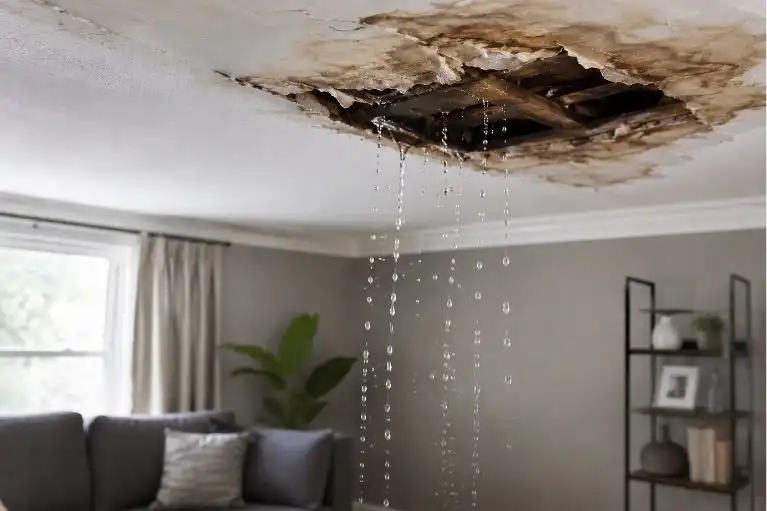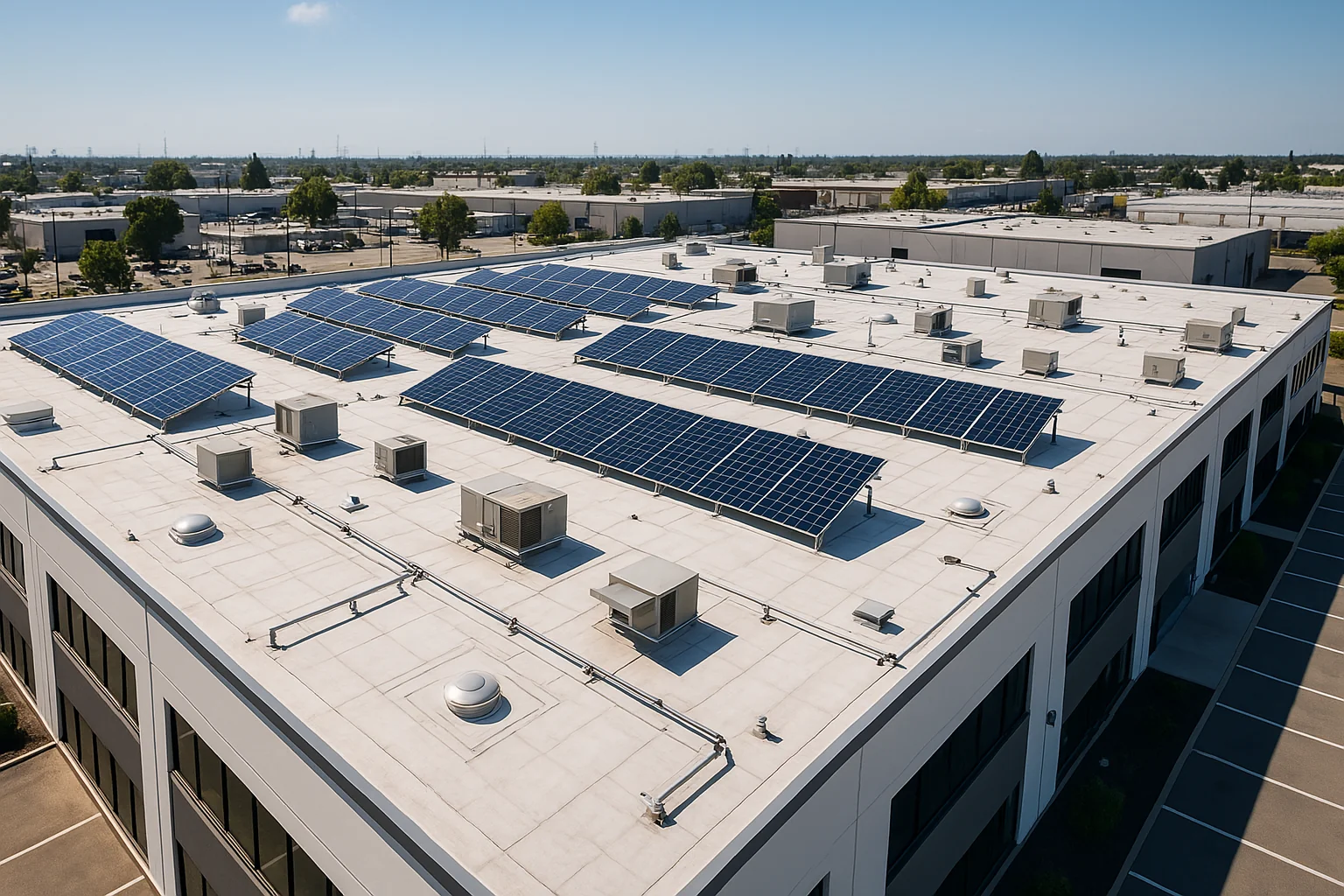
Flat roofs are a cost-effective solution for commercial and industrial buildings, offering space for HVAC units, solar panels and easy access. They do need regular maintenance to prevent leaks, drainage issues and expensive repairs. Even minor leaks can quickly turn into major structural problems, leading to unexpected downtime and costs.
To keep your roofing project in top shape, here are 10 must-follow maintenance tips to protect your flat roof and extend it’s lifespan.
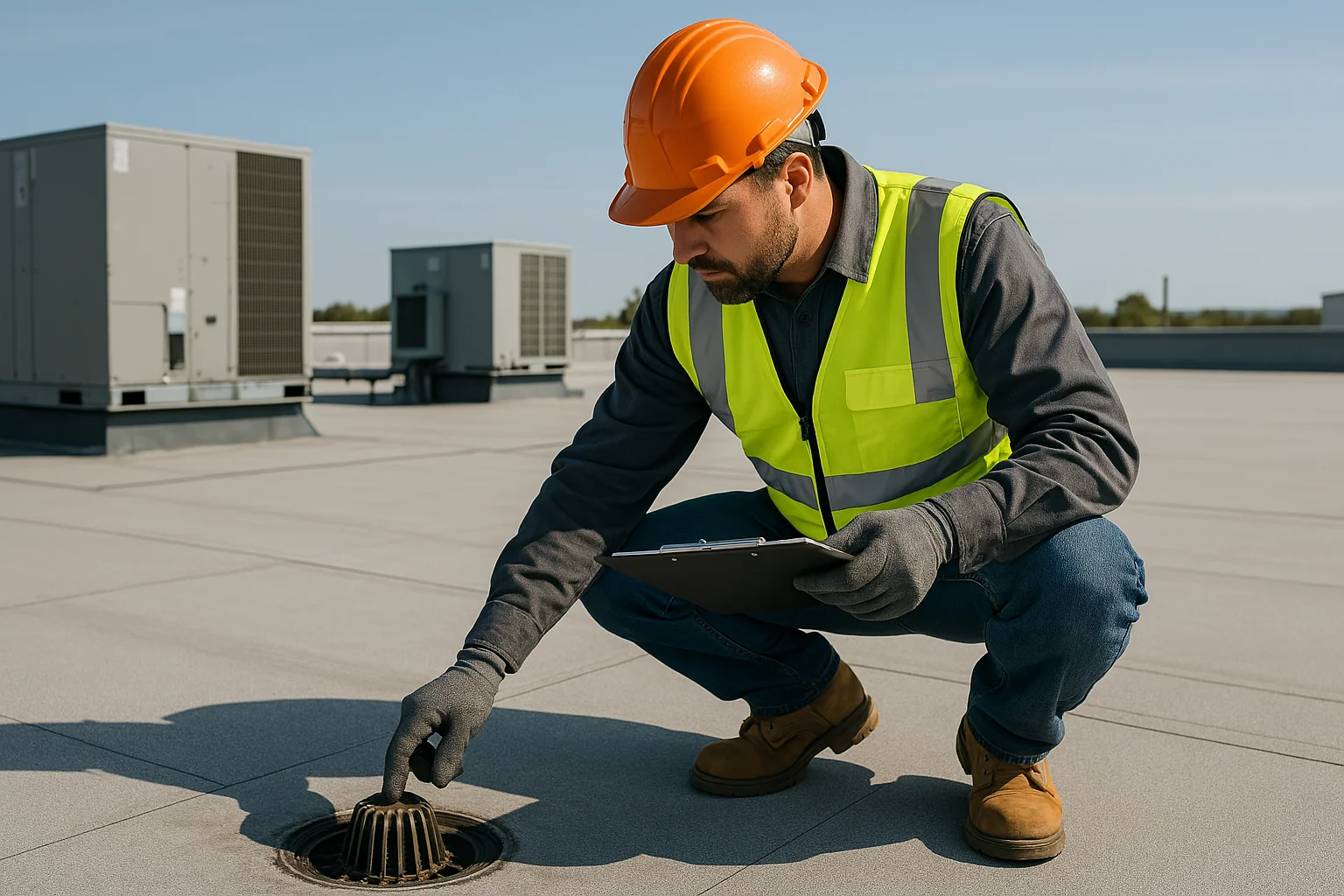
1. Schedule a Roof Inspection Twice a Year
A roof inspection is one of the most effective ways to extend the life of your commercial roofing systems and prevent small issues from escalating into major repairs. By proactively identifying signs of wear, water damage or material deterioration, you can avoid costly fixes and keep your building compliant with safety regulations. Having a structured inspection routine in place also helps maintain insurance coverage and ensures your roof meets building regulations.
During a roof inspection, look out for:
- Pooling water – Standing water will weaken roofing materials.
- Cracks, punctures or bubbling in the membrane.
- Blocked drains and gutters that cause water build up.
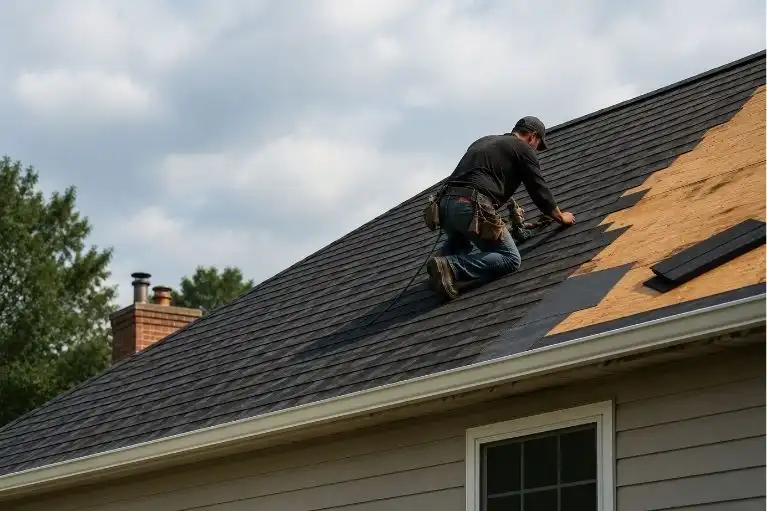
Getting a professional inspection ensures that small issues don’t become big problems, keeping your roof safe, compliant and avoiding you the expense of roof repairs.
If damage occurs despite regular maintenance, here’s what’s involved in a professional flat roof repair. The Complete Guide to Commercial Flat Roof Repairs
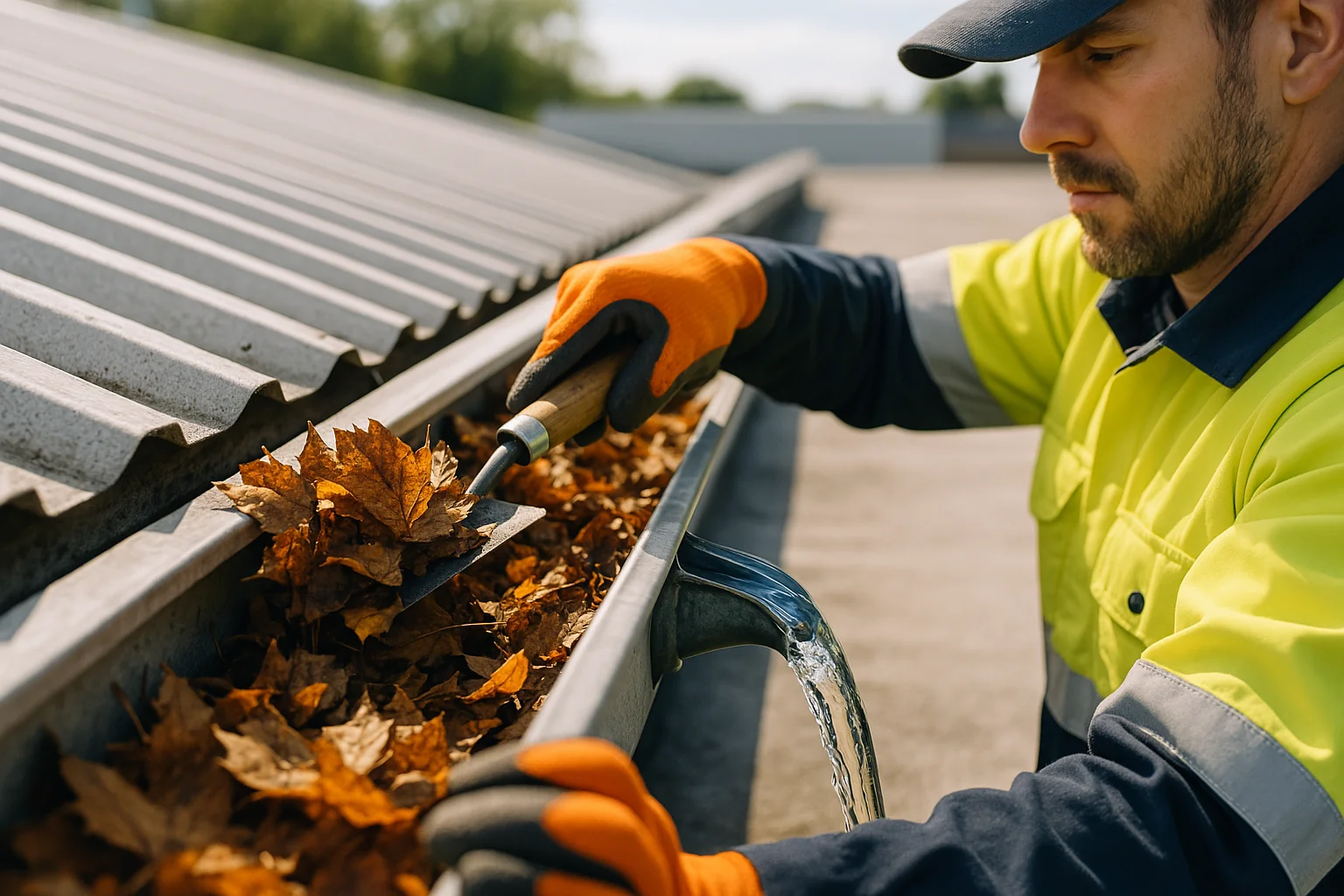
2. Keep Gutters and Drains Clear
Proper drainage is critical to preventing water damage on a flat roof. When gutters and drains get clogged with leaves, dirt or debris, water has nowhere to go. This will lead to ponding, leaks and potential structural damage. Ensuring that water flows freely off the roof can help prevent costly repairs and maintain the roofing system.
To prevent this:
- Clear out gutters regularly, especially in autumn.
- Install gutter guards to stop debris from building up.
- Check drainage flow after heavy rain to make sure water moves off the roof.
Many Bauder flat roofing systems have advanced drainage solutions, helping to reduce standing water and extend your roof’s lifespan.
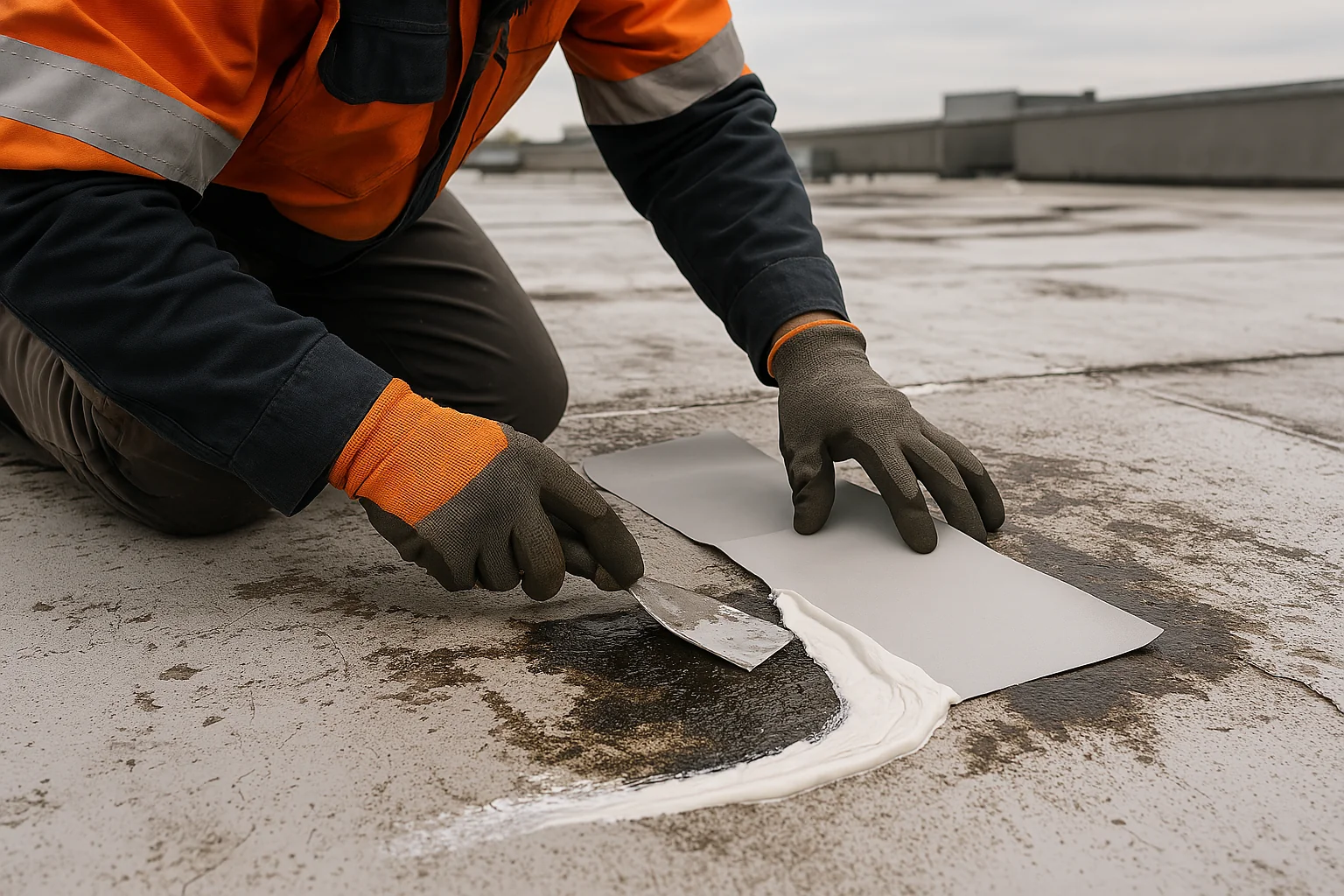
3. Repair Minor Leaks Immediately
A leaking roof can start with something as small as a tiny crack or seam failure. Even a small crack or seam failure in roofing materials, including felt roofing can lead to serious structural damage if left unattended. Water infiltration can affect insulation, ceilings, and electrical systems, making prompt repairs essential. Take action quickly by sealing cracks with waterproofing materials, replacing damaged flashing, and ensuring all seams and joints are properly sealed.
If you spot a leak, take action:
- Seal cracks with waterproofing materials.
- Replace damaged flashing or carry out lead roof repair before water spreads.
- Ensure all seams and joints are properly sealed.
Bauder’s waterproof membranes provide long-lasting protection, keeping commercial roofs safe and dry.
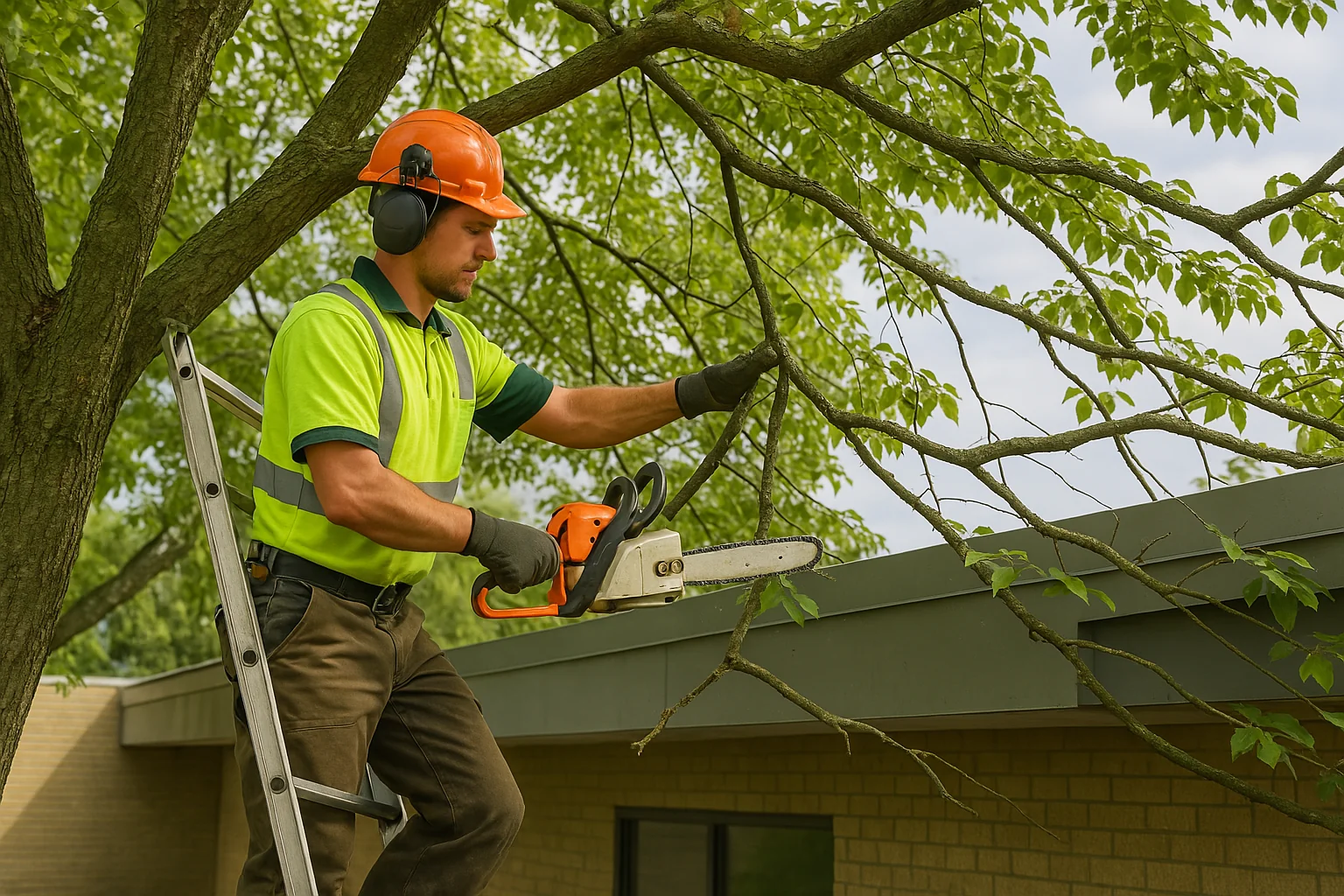
4. Trim Overhanging Trees
Flat roofs are especially vulnerable to damage from falling branches, leaves and debris. Trees that grow close to a commercial building can create a risk during storms or strong winds, with branches breaking off and puncturing the roofing membrane. Even without extreme weather, constant leaf build up can clog drainage systems, leading to standing water and potential leaks. Keeping trees maintained is an easy way to reduce long-term roof maintenance costs and avoid preventable damage.
To prevent damage:
- Trim trees away from the roof to reduce the risk of falling branches.
- Clear leaves and debris regularly to avoid blocked drainage.
- Inspect trees after storms for broken limbs that could fall onto the roof.
Keeping trees well-maintained helps protect your roof and reduce costly emergency repairs.
5. Watch for Ponding Water
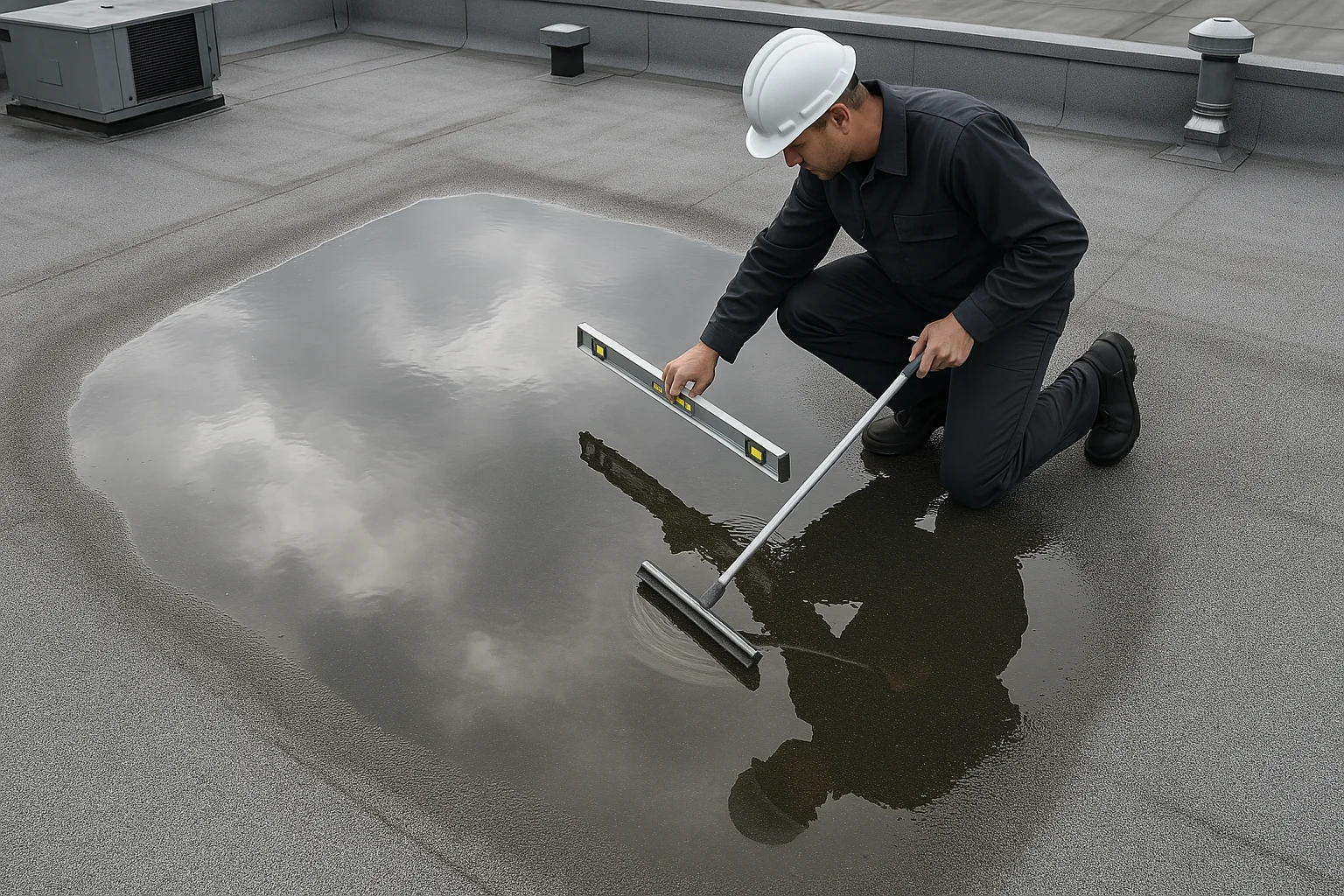
Flat roofs are designed to shed water efficiently, but poor drainage, structural settling or debris build up can cause water to pool on the surface. If water remains for more than 48 hours, it can start breaking down roofing materials, encourage moss growth and increase the risk of leaks. Addressing ponding water early can help prevent premature wear and protect the long-term integrity of the roof.
To fix ponding issues:
- Ensure proper drainage by clearing blockages.
- Use a commercial-grade roof coating to improve runoff.
- Check the roof slope and adjust if necessary.
Many Bauder roofing systems include built-in drainage enhancements to reduce water build up and prevent damage.
6. Protect Against UV Damage
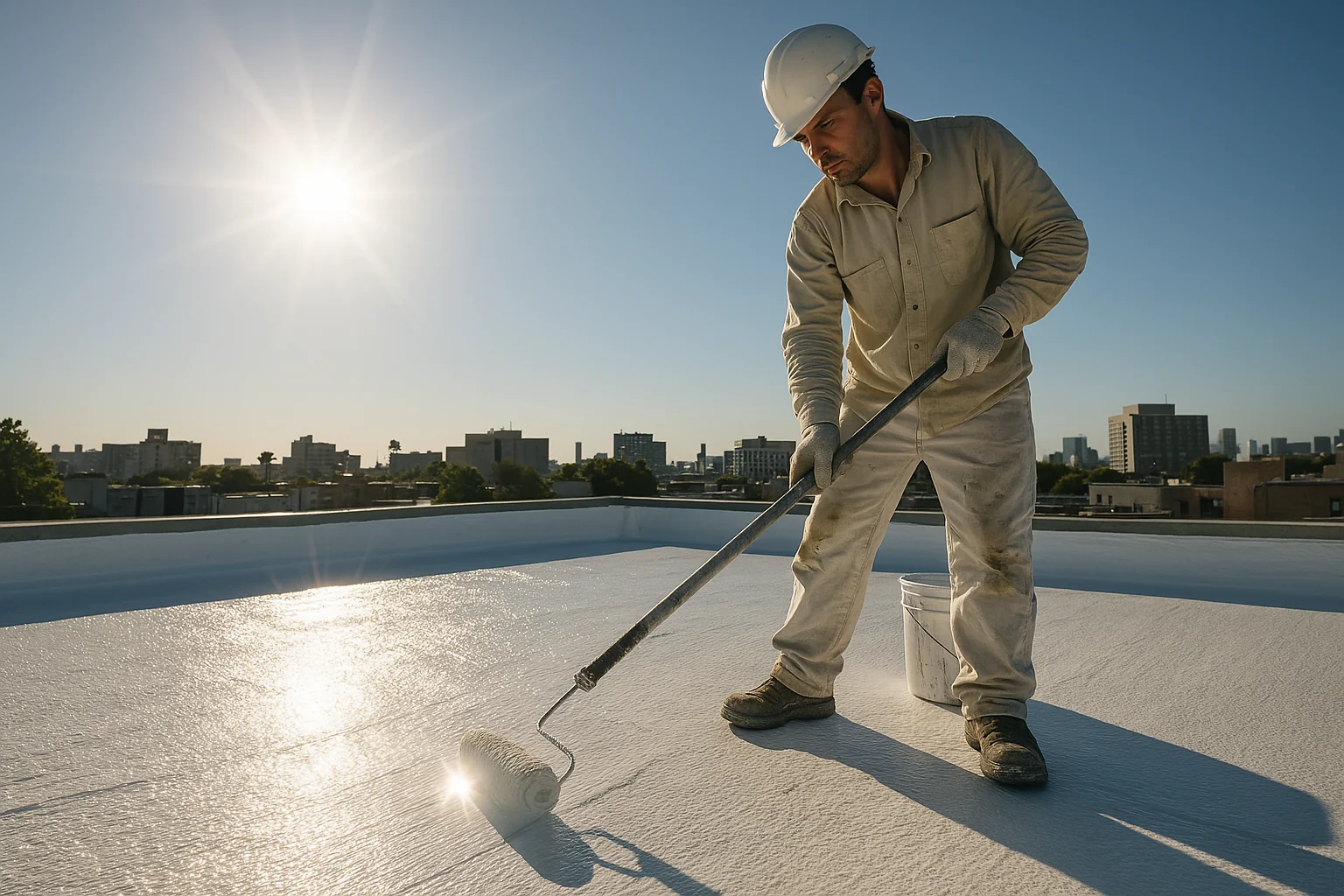
Over time, constant exposure to sunlight and UV rays can cause roofing materials to dry out, crack and deteriorate. This weakens the roof’s protective barrier, making it more susceptible to leaks and thermal expansion damage. UV degradation is a common issue for older bitumen roofing systems, but it can be managed effectively with reflective coatings and UV-resistant materials.
To protect against UV damage:
- Apply a reflective roof coating to minimize heat absorption.
- Use UV-resistant materials like Bauder’s high-performance membranes.
- Check for cracks or warping caused by sun exposure.
A UV-resistant roof lasts longer, reduces energy costs and keeps indoor temperatures stable.
7. Ensure Proper Insulation & Ventilation
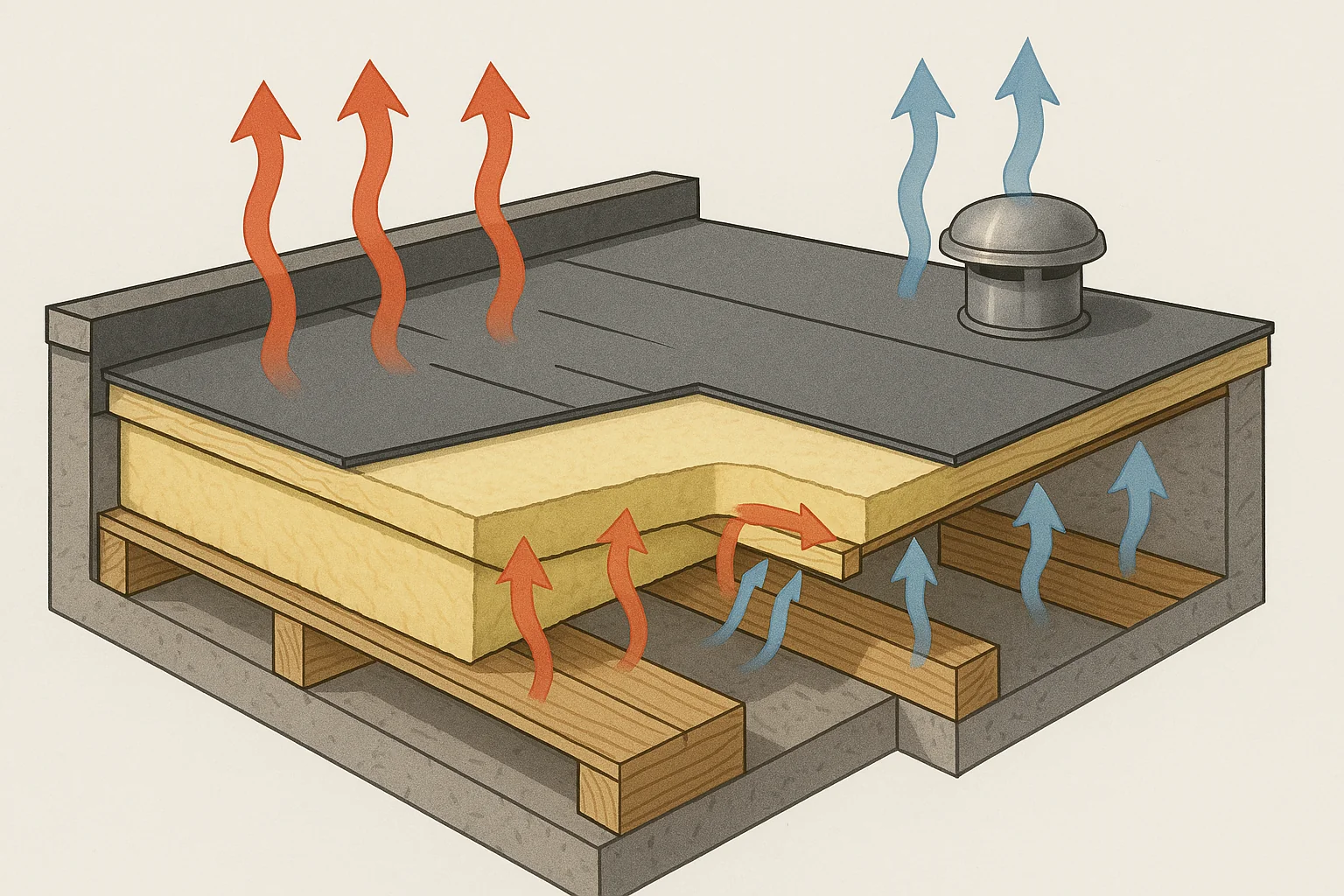
A well-insulated roof doesn’t just save energy it also prevents moisture build up and condensation, which can cause mould, rot and long-term damage. Poor insulation leads to temperature fluctuations inside the building, making it less energy-efficient and more expensive to heat or cool.
Check for:
- Condensation on ceilings, which signals ventilation issues.
- Damp spots or musty smells, indicating trapped moisture.
- Insulation gaps, which reduce energy efficiency.
Upgrading insulation and ventilation helps keep heating and cooling costs low while extending your roof’s lifespan.
8. Secure Roof Access Points
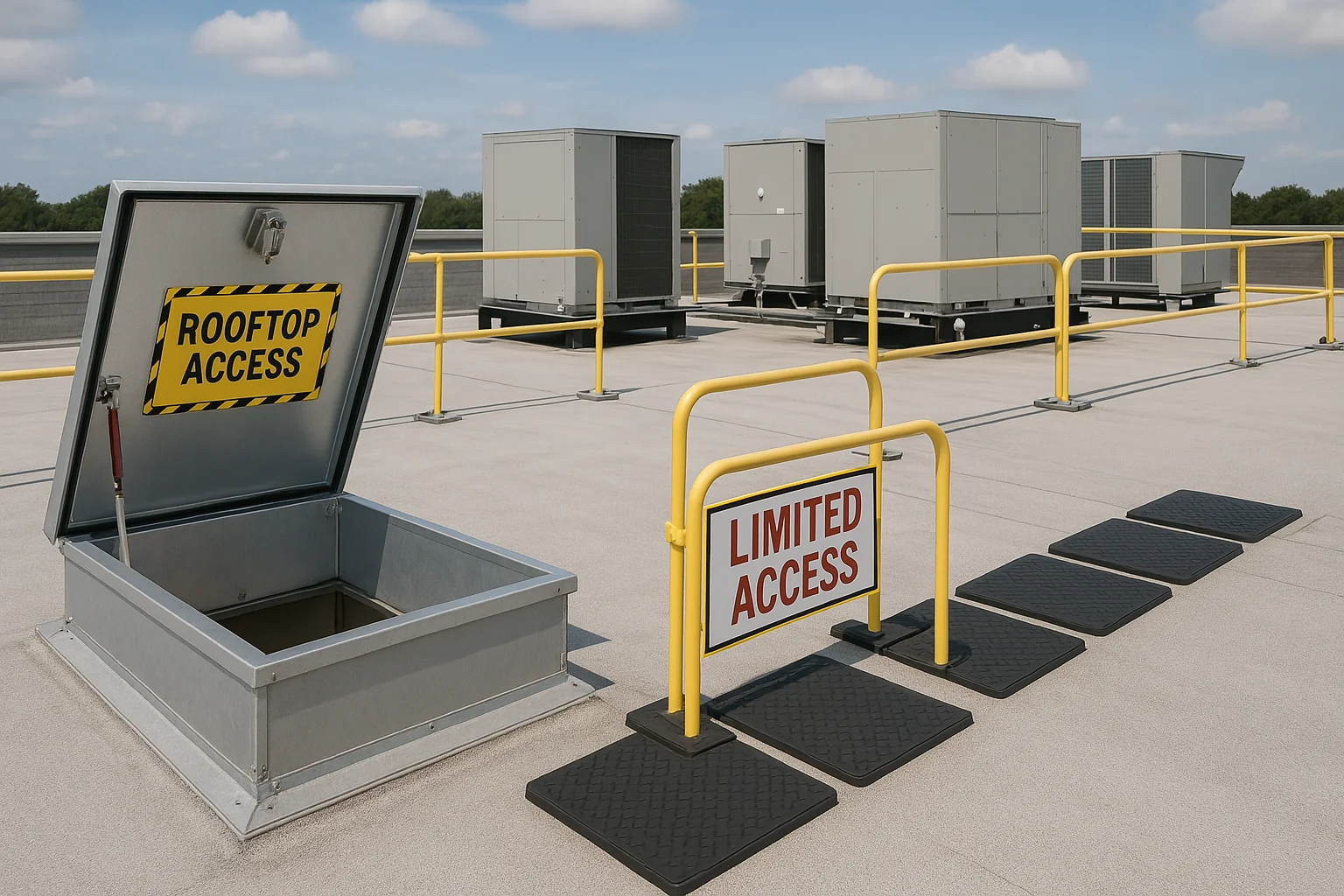
Many leaks and damages occur because of unauthorised or improper access to the roof. Regular foot traffic, dropped tools and improper installation of HVAC units can lead to membrane punctures and structural wear. Controlling who accesses the roof and ensuring they use walkways or designated areas can prevent unnecessary damage.
To maintain roof access safety:
- Limit access to trained personnel only.
- Install protective walkway pads to prevent punctures.
- Inspect HVAC and equipment installations regularly.
Preventing unnecessary damage from rooftop activity can significantly extend the roof’s lifespan.
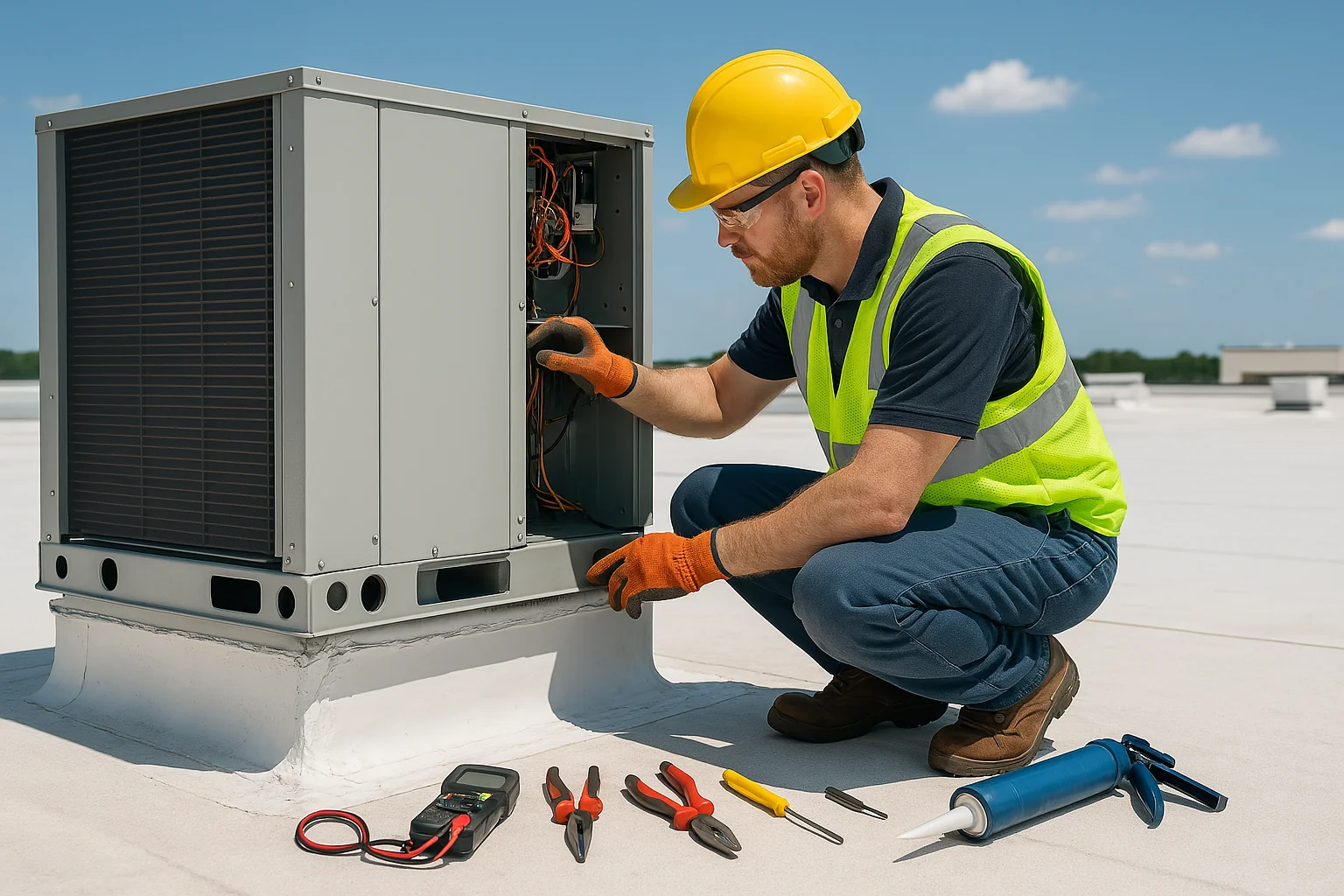
9. Maintain Rooftop Equipment
Flat roofs often house HVAC units, vents and other mechanical equipment, all of which can contribute to roof damage if not properly maintained. Leaks can form around poorly sealed ventilation points, while heavy equipment can cause structural strain.
To prevent this:
- Check HVAC units and rooftop equipment for leaks.
- Ensure all penetrations are properly sealed.
- Inspect areas around equipment for signs of wear.
Regular maintenance of rooftop equipment can prevent costly repairs and water damage.

10. Follow a Preventative Maintenance Plan
Without a preventative maintenance plan, small roofing issues can go unnoticed until they become costly emergencies. A structured approach to regular maintenance and inspections can significantly reduce long-term expenses and prevent unexpected disruptions to business operations.
Your roofing professionals should:
- Inspect the roof regularly to catch issues early.
- Clean debris, drains and gutters on a set schedule.
- Check the roof after major weather events for hidden damage.
Check out Tremco Europe’s flat roof maintenance guide for expert tips on inspection routines, drainage checks, and more https://www.tremco-europe.com/en-gb/expert-insights/expert-advice/simple-steps-to-flat-roof-maintenance/
Get in Touch with Best Roofers
Regular maintenance is the key to protecting your commercial roof, preventing costly repairs and ensuring long-term durability. At Best Roofers , we specialise in roof inspections, proactive maintenance plans and expert flat roofing solutions tailored for commercial and industrial buildings.
Whether you need a professional roof inspection, urgent repairs for a leaking roof or long-term maintenance planning, our team of experienced roofing professionals are ready to help. Contact us today to schedule a free consultation and site survey – let’s ensure your roof stays secure, efficient and is built to last!