When you’re running a business, flat roof repairs probably aren’t the first thing on your mind, until a leak, crack, or drainage issue brings operations to a halt. Flat roofs are widely used on warehouses, offices, schools and retail buildings, but they come with their own set of vulnerabilities. Staying ahead of problems with timely flat roof repairs can save thousands in damages and help you avoid costly disruption to your business.
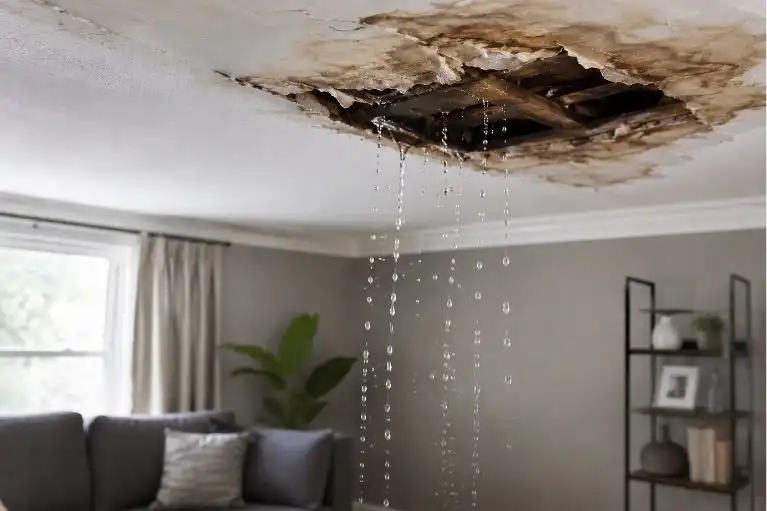
A leaking flat roof doesn’t just damage the surface. It can ruin equipment, stock, ceilings, insulation and even affect health and safety. Commercial flat roofing repairs aren’t just a reactive measure, they’re a key part of maintaining your property’s value and performance. Whether your business is based in Manchester, Stockport, or further afield, keeping your roof in shape should always be on your maintenance rBest Roofers r.
What Causes Flat Roofs to Break Down?
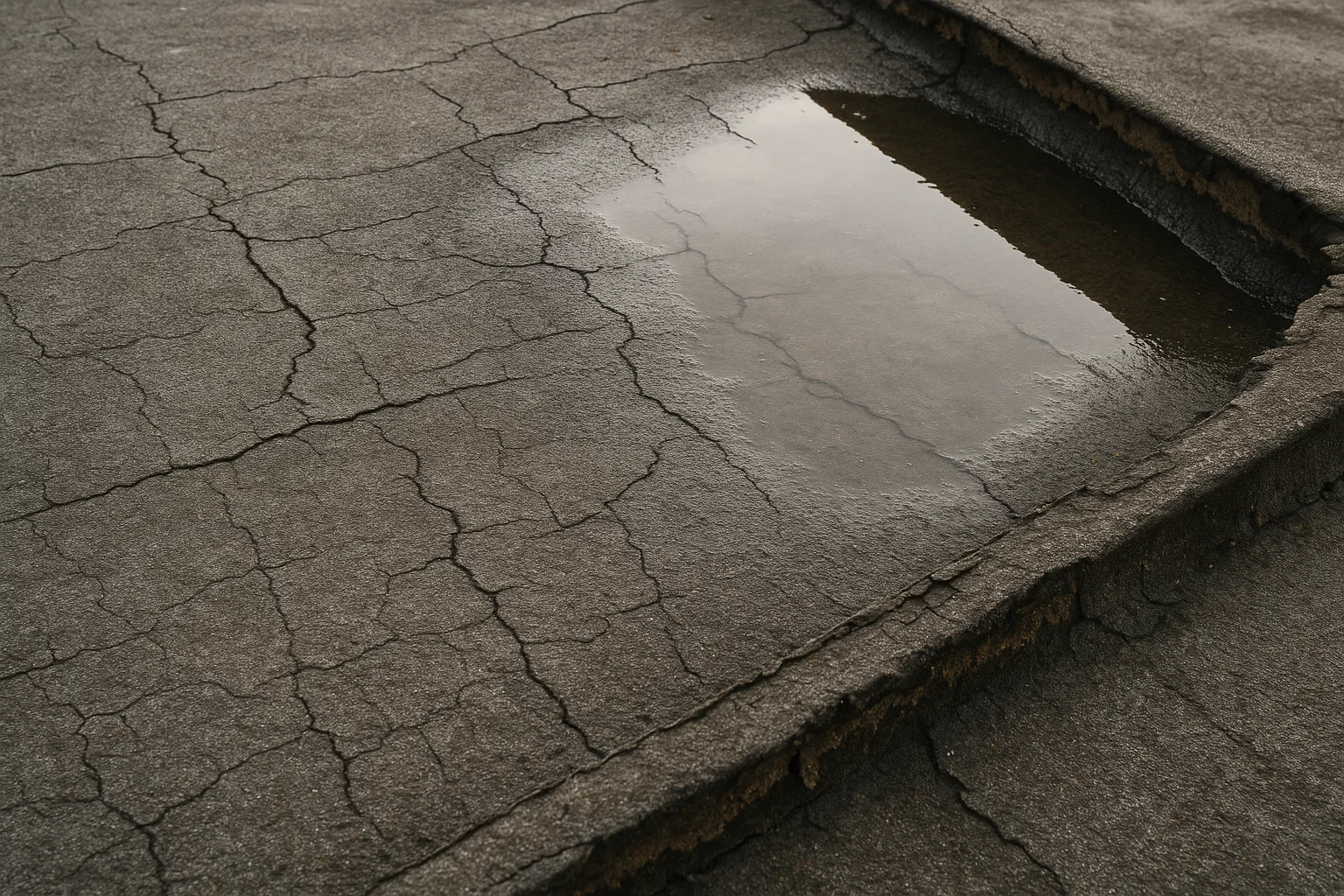
Most commercial roofing systems don’t fail overnight. They degrade gradually due to weathering, poor drainage, UV exposure, or bad installation. Once water starts to pool or creep beneath the surface, damage begins to spread. You’ll often find blisters, cracks and seam separation on ageing roofs, especially on older commercial buildings with high levels of foot traffic.
Felt roofs, in particular, are vulnerable to expansion and contraction with seasonal temperature changes. Over time, this movement pulls seams apart or causes wrinkling. If your roof is over a decade old, it’s likely already under stress whether you can see it or not.
Other trouble spots include flashing details and around service penetrations like vents and ducts. These are frequent failure points that let water in silently until you notice damage below.
How to Spot a Problem Before It Gets Expensive
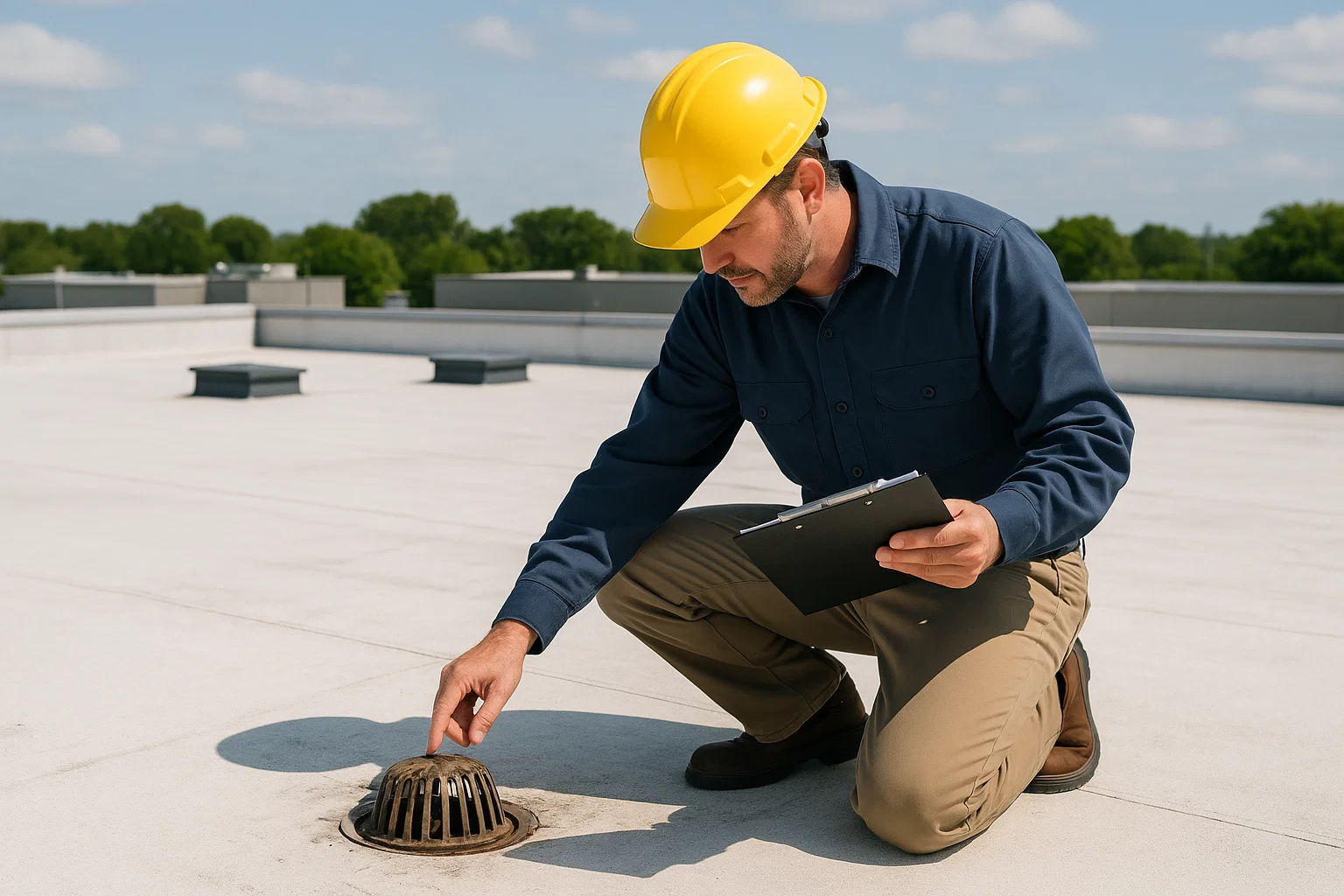
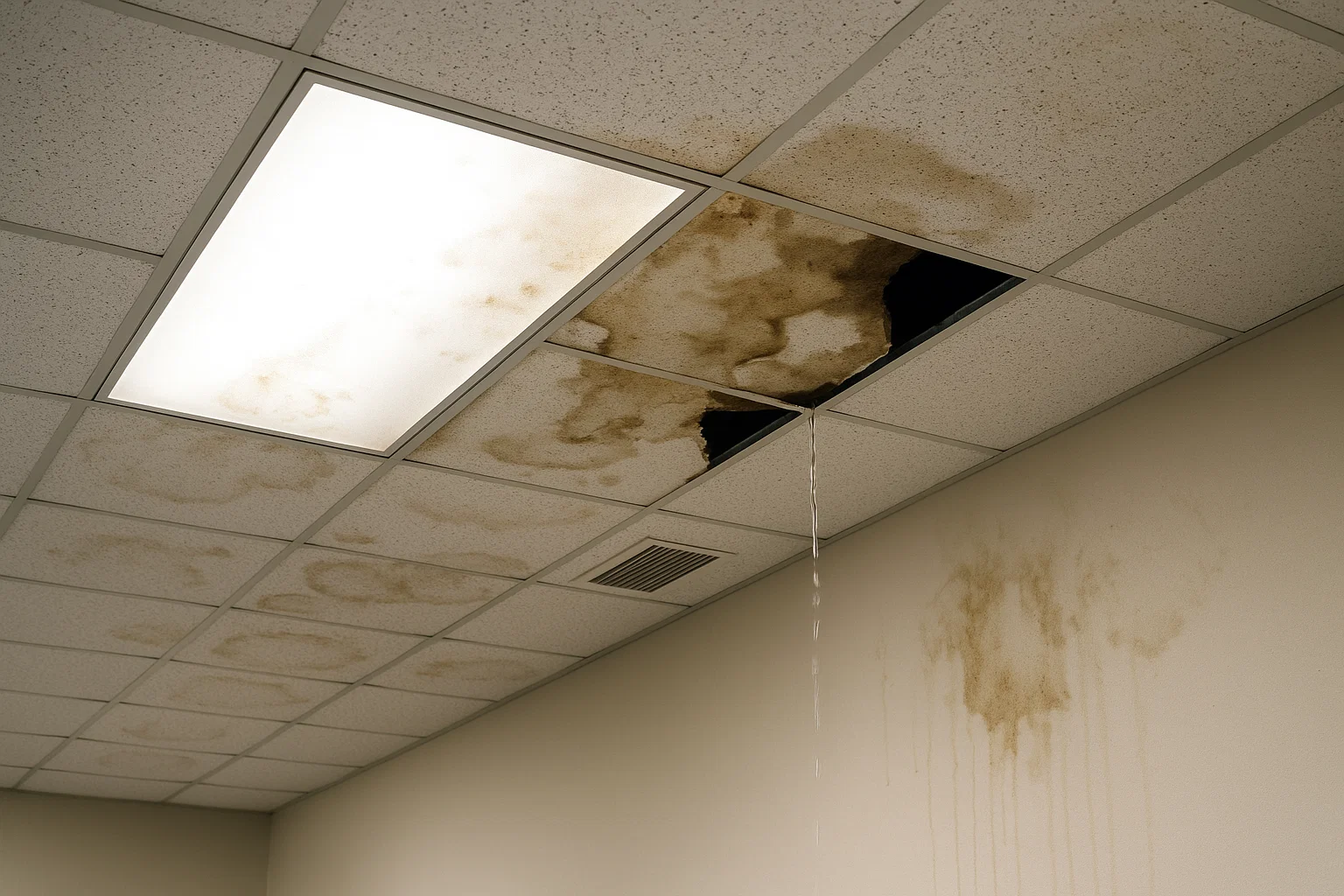
Most problems with flat roofs start small. You might see water stains on ceilings, bubbling paint, or feel a musty smell in upper floors. If you manage commercial properties, these subtle signs can hint at major issues hidden above.
Up on the surface, standing water is a key sign that drainage has failed. Uneven areas or soft spots often indicate trapped moisture or failing insulation. You may also notice visible damage to the roofing membrane, such as cracks or bubbling felt.
Routine inspections are crucial. A qualified contractor can spot problems early, especially in areas exposed to high winds or heavy use. At Best Roofers , we recommend scheduled inspections at least twice a year to help identify potential leaks before they affect operations.
If repairs no longer make financial sense, you may be better off replacing the roof entirely, here’s how to decide Roof Replacement vs Repair: When It’s Time to Start Fresh
Flat Roof Repair or Replace? Making the Right Call
One of the biggest misconceptions in the world of commercial roofing is that leaks always mean replacement. In many cases, a well-executed repair can add years to the life of your roof. It’s about choosing the right solution based on condition, risk and cost.
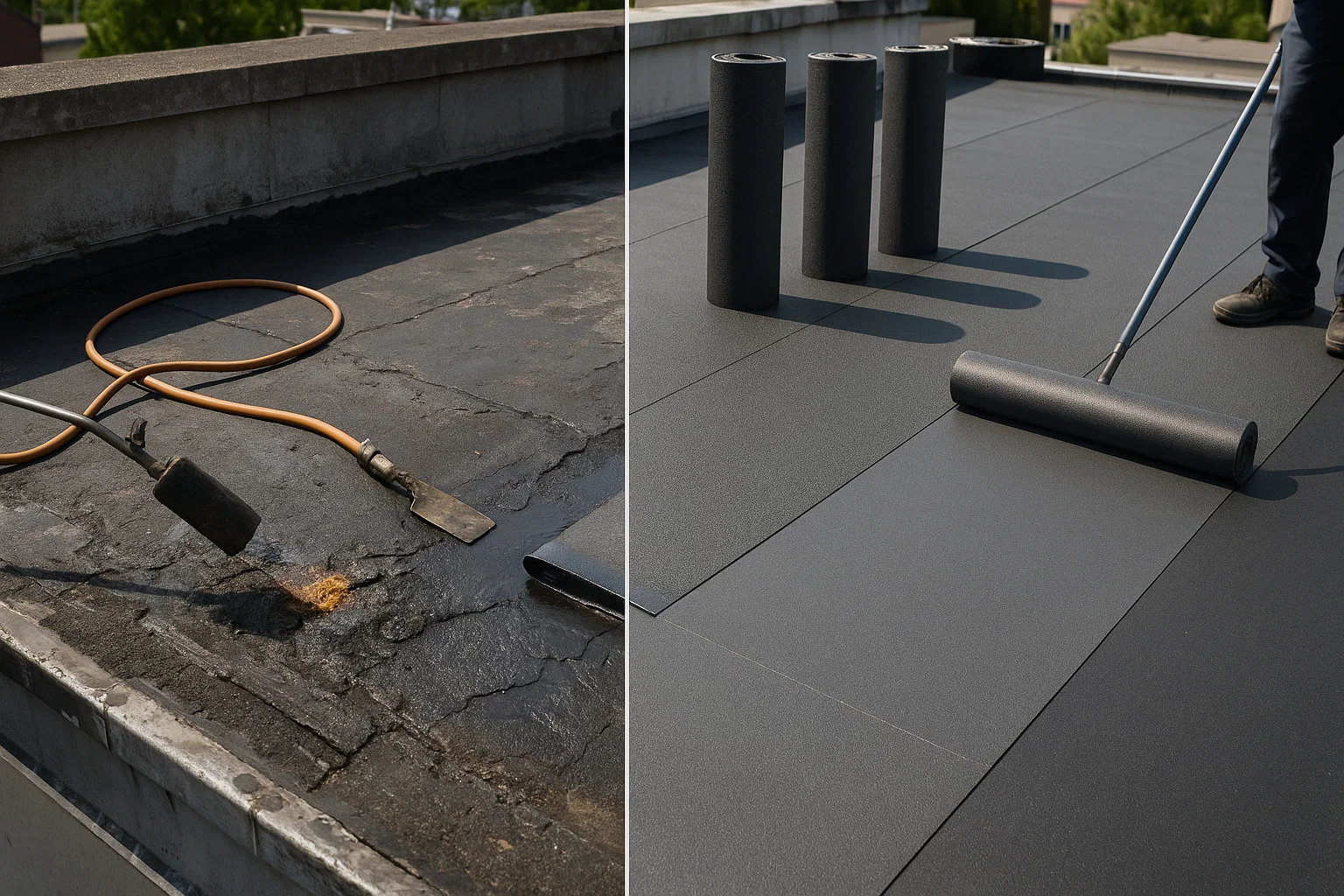
If the damage is isolated and the structure beneath is sound, a patch repair might do the job. For single ply membranes, that could mean welding in a new section. With felt roofing, it may involve applying two layers of torch-on membrane. Liquid systems like Sikalastic are ideal for tricky shapes or repairs around plant areas.
If the roof is beyond patching – extensive saturation, failing layers, or poor insulation, then a full strip and replacement becomes the cost effective solution. We’ll always explain both options and provide quotes for each so you can make the best decision for your commercial project.
Your Options for Commercial Flat Roof Repairs
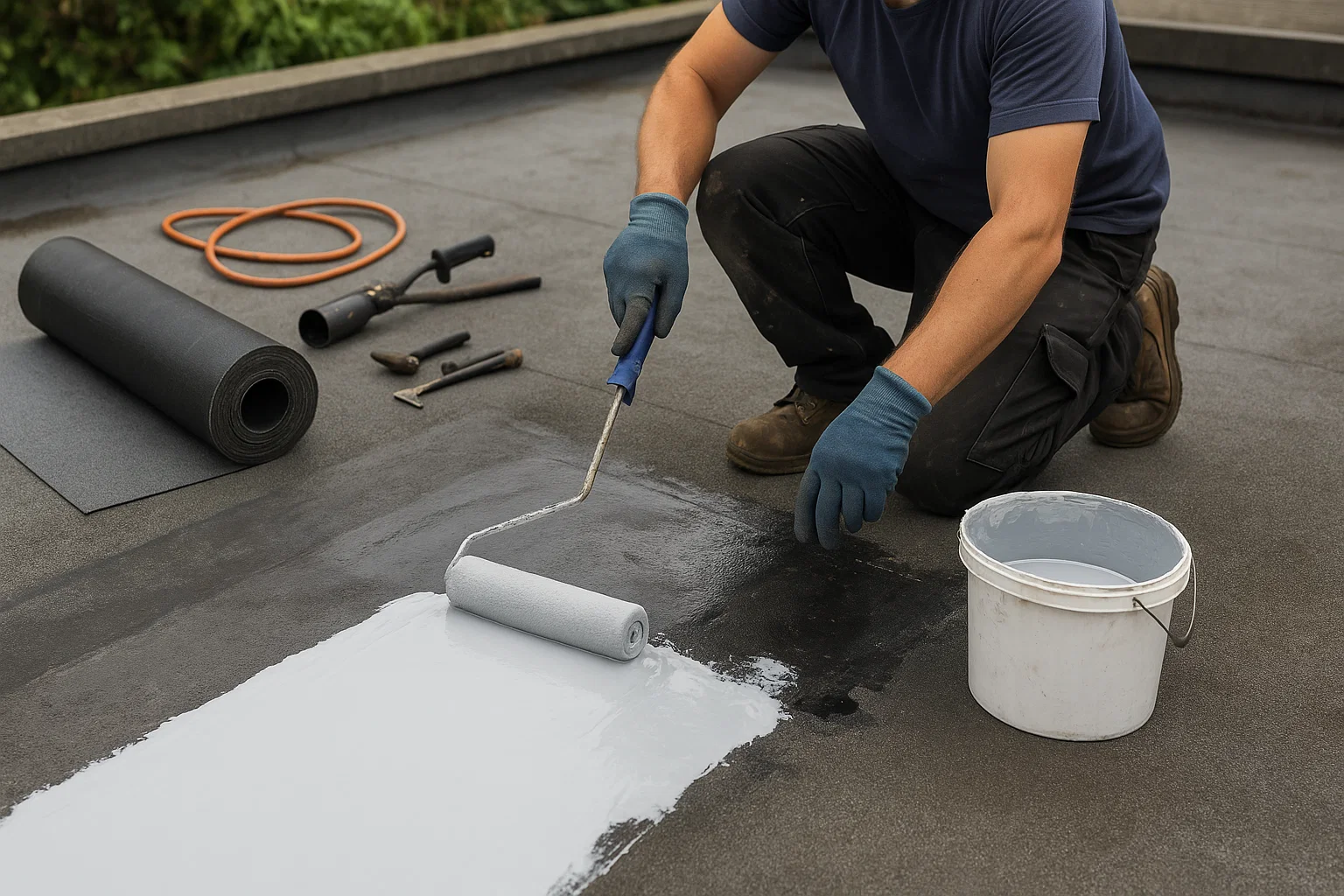
There’s no one-size-fits-all in roofing. The right fix depends on the age, material and purpose of the building. Traditional bitumen roofing and felt can be hot-applied with reinforcement layers. Single ply systems such as TPO, PVC, or EPDM require different techniques, often with welded seams and a fully adhered finish. Liquid roofing offers flexibility and is perfect for complex designs or phased works.
Cold applied liquid systems are especially useful for busy commercial buildings. They don’t require flames, which makes them safer and easier to install without disrupting nearby workspaces. They also cure quickly, so there’s less chance of weather-related delays.
Some roofing contractors offer overlays, where a new system is installed directly over the old one. This only works when the existing roof is dry and structurally sound but when possible, it reduces waste and speeds up the job.
What a Commercial Roof Repair Involves
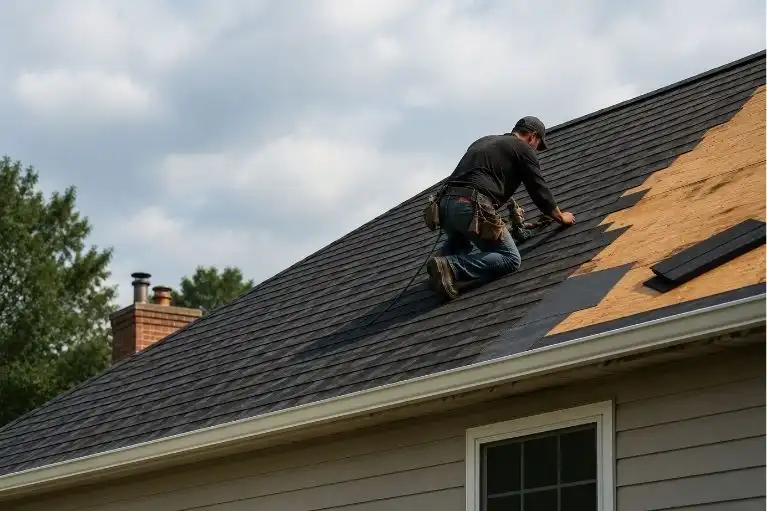
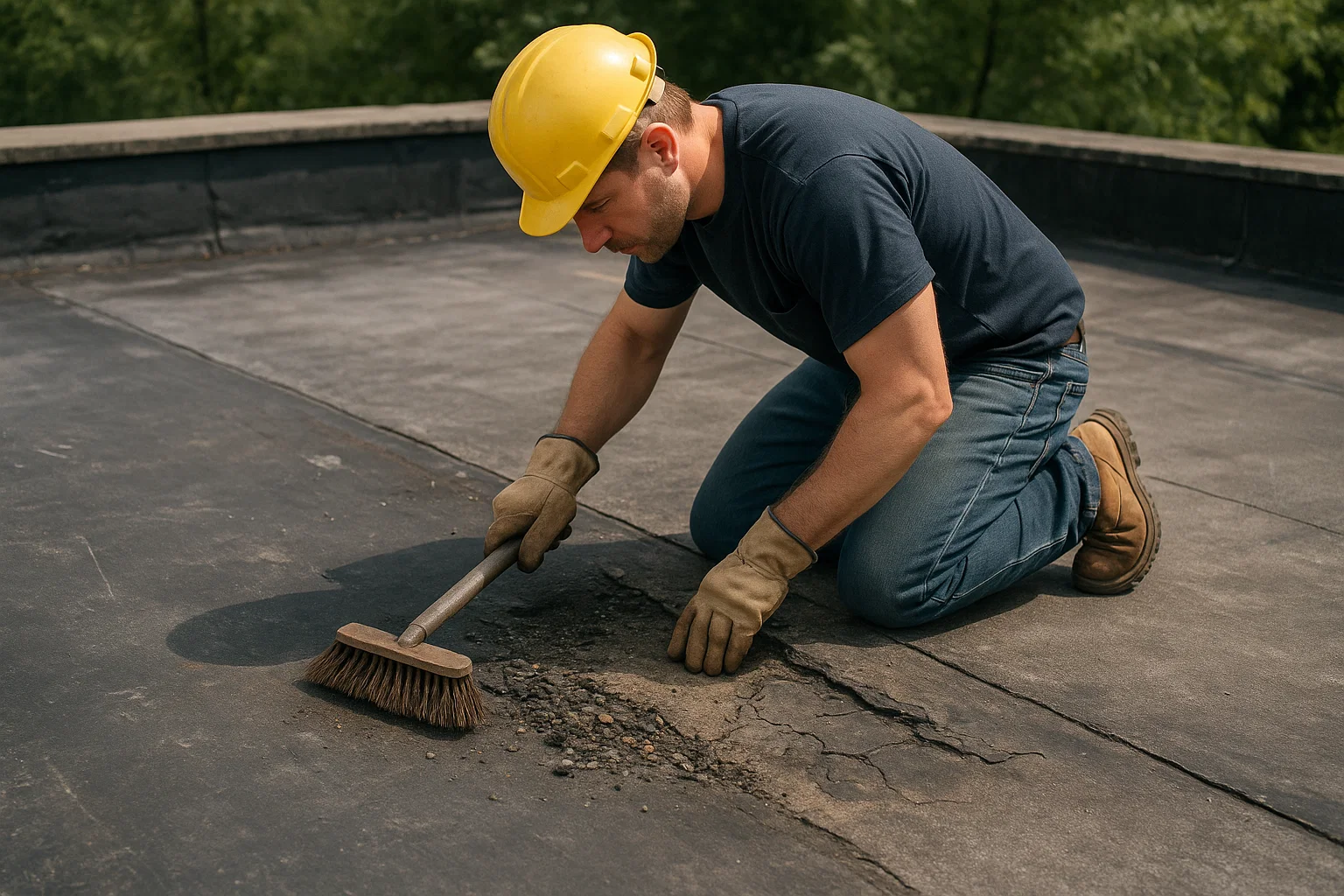
Once we’ve assessed the site, we’ll create a clear repair plan. This usually starts with surface preparation, cleaning off debris, checking for moisture and removing damaged sections. We then apply primers, adhesives, or reinforcement as needed before fitting the new layer.
Each roofing system has its own installation method. Some use torch-on methods, others rely on mechanical fixings or self-adhesive layers. We always follow manufacturer guidelines to maintain warranties and performance standards.
Most repairs take less than a week and are scheduled to minimise disruption. Our team is respectful of working businesses and keeps noise and mess to a minimum throughout the process.
How Long Will the Repair Last?
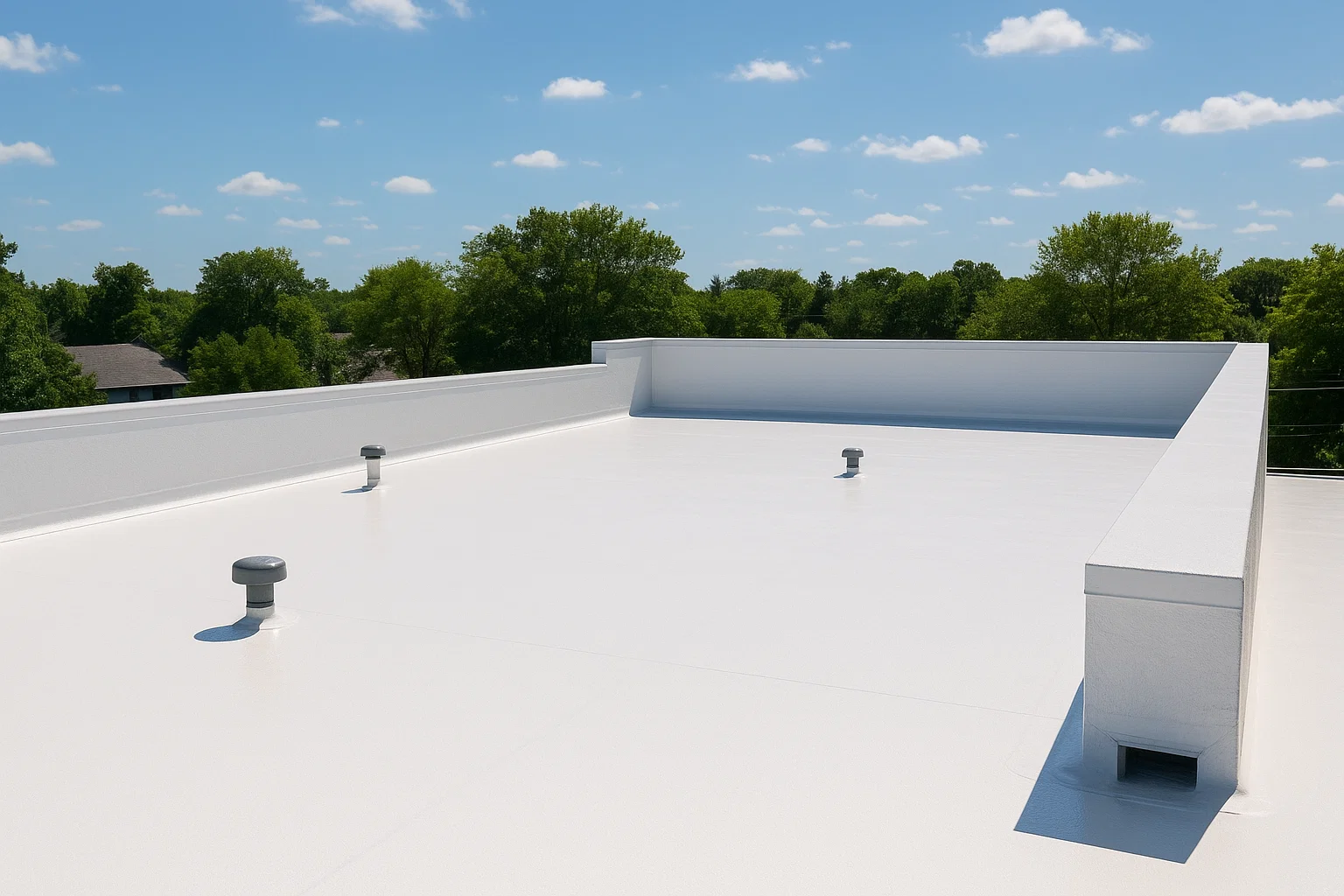
Done properly, a flat roof repair isn’t just a stopgap. Repairs using quality roofing materials can last 10–20 years depending on the system. Liquid roofing solutions often come with manufacturer-backed guarantees ranging from 15 to 25 years.
Lifespan depends on maintenance. Cleaning outlets, checking seals and reducing unnecessary foot traffic all play a role. Pairing a strong roofing membrane with good insulation also improves thermal performance, helping you cut costs over time.
If your business is investing in a new roof, we can recommend systems that support solar panels or even a green roof, giving you long-term environmental and energy savings.
Why It’s Risky to Delay Flat Roof Repairs
Postponing repairs often leads to bigger problems. Water ingress can saturate insulation, ruin internal finishes and in some cases cause structural movement. You may not see it, but that doesn’t mean it isn’t happening.
Leaking commercial roofs can result in health risks, insurance issues and regulatory breaches. They can also cause downtime, especially in warehouses, workshops and food production units.
Repairs are always cheaper when the issue is small. Planning ahead avoids emergency call-outs and rushed jobs. As trusted roofing contractors, we help clients build preventative repair schedules that reduce long-term costs and risk.
For more information on leaking flat roof’s check out this blog from Roofing Superstore Leaking flat roof repair guide – Roofing Superstore Help & Advice
Working Around Live Operations
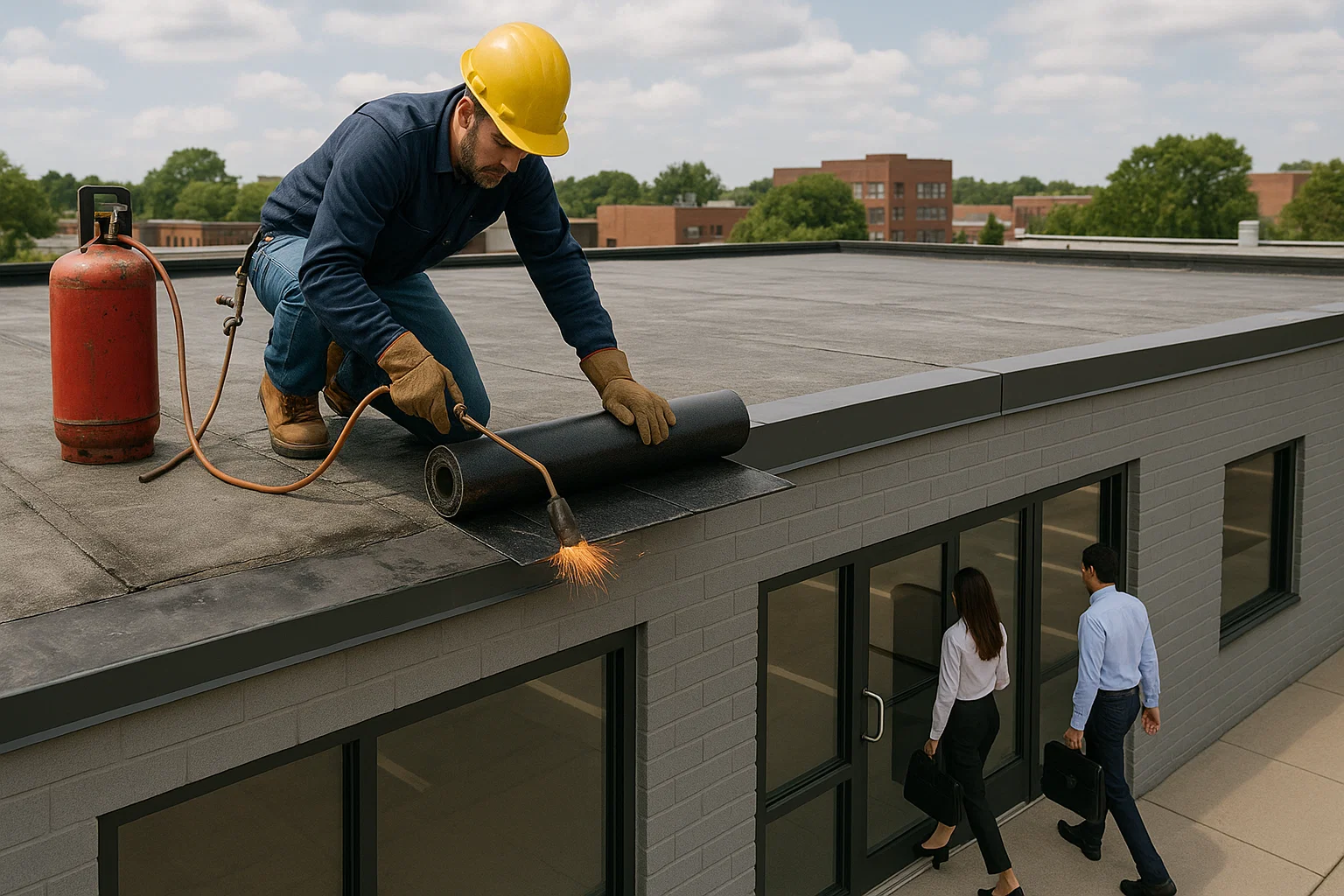
For many commercial properties, business doesn’t stop just because your roof needs work. That’s why our services are designed around you. Whether you need evening work, phased access, or fast curing systems, we’ll tailor the job to keep your site running smoothly.
This is especially important in schools, hospitals and logistics facilities, where disruption carries higher stakes. Our team is trained to work cleanly and safely, using systems that suit the pace and constraints of modern businesses.
Liquid systems, for instance, allow us to seal complex areas without disturbing sensitive plant, IT cabling, or vents ideal for data centres or labs. Our highly trained staff understand the risks and plan accordingly.
Choosing the Right Contractor for Commercial Flat Roof Repairs
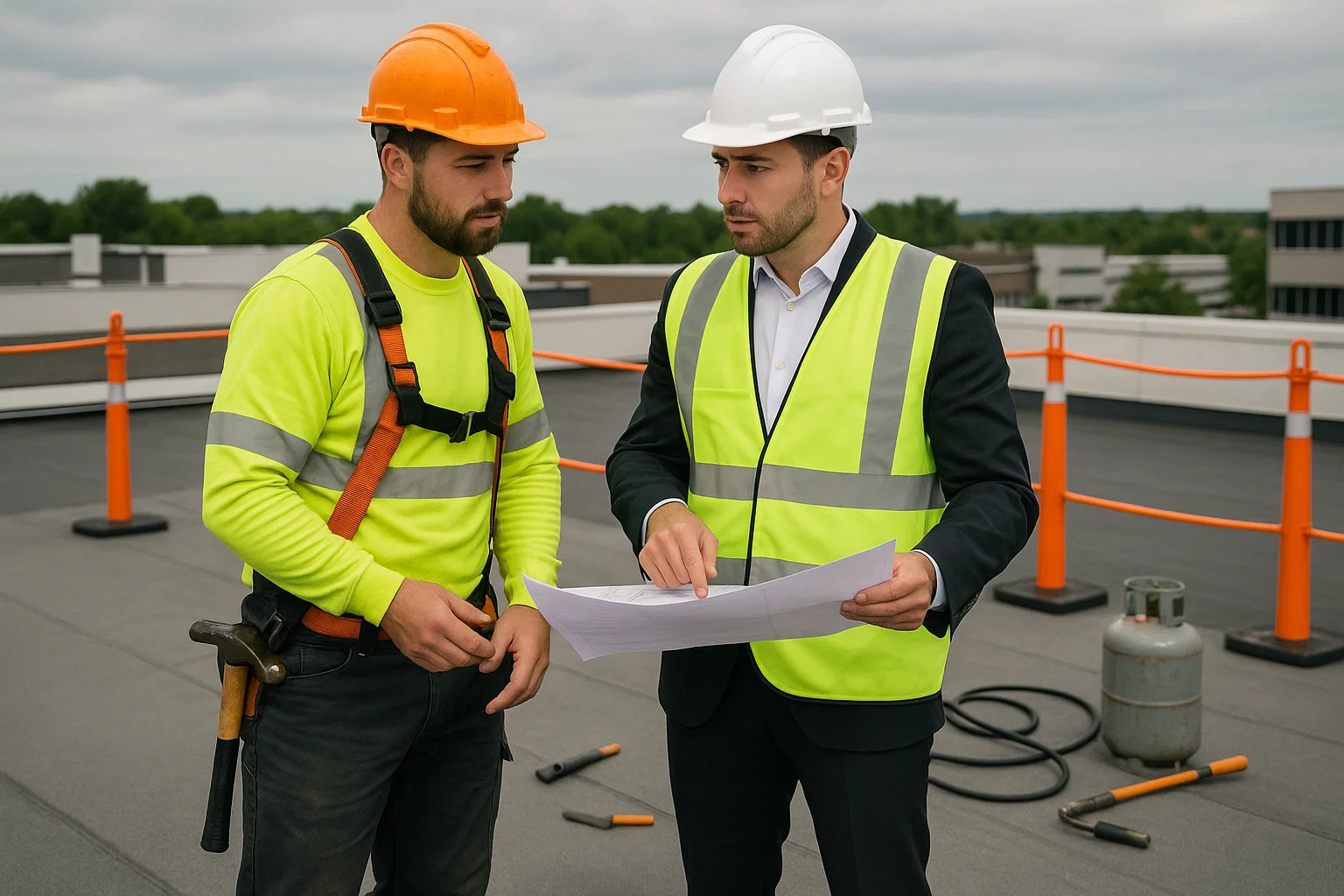
If you’re investing in roof repairs, choosing a reputable contractor is essential. Look for experience with commercial roofing contractors who understand large-scale work and can advise on system compatibility, insulation upgrades and compliance.
At Best Roofers , we’re specialists in commercial roofing systems and work across Manchester, Cheshire and the wider North West. We handle everything from patching to full system replacement and can support you through every stage of your commercial roofing project.
We only work with trusted brands like Sika, Bauder and Proteus, and can install a full range of systems to suit your budget and building design. Whether you’re after a felt overlay or a high-performance PVC plastisol solution, we’ll guide you through every option.
Keep Your Roof Performing Like It Should
Repairing your commercial roof isn’t just about stopping leaks. It’s about protecting your operations, reducing your costs and extending the life of one of your most valuable assets. Whether it’s a felt roof in need of TLC or an ageing single ply system that’s reached the end of its life, knowing your options can help you act with confidence.
If your building is showing signs of damage, or if it’s just been a while since the last inspection, get in touch with Best Roofers . We’ll carry out a free assessment, provide honest advice and deliver a solution that fits your site, budget and timeline.
Let’s keep your roof and your business watertight.