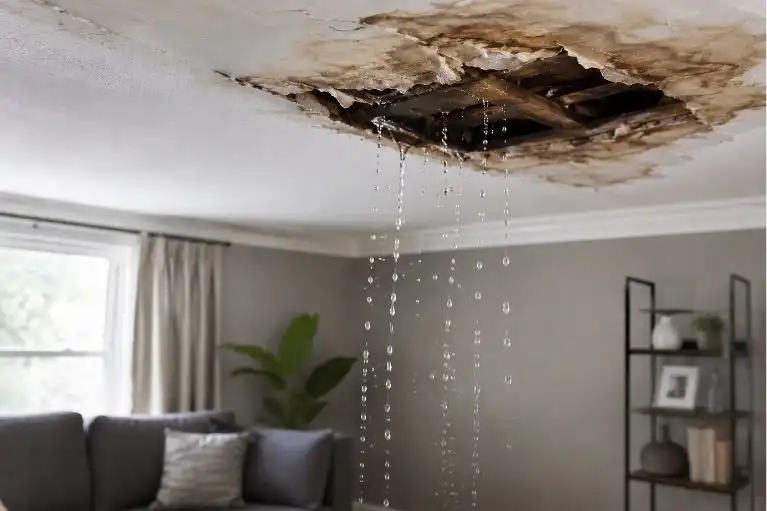
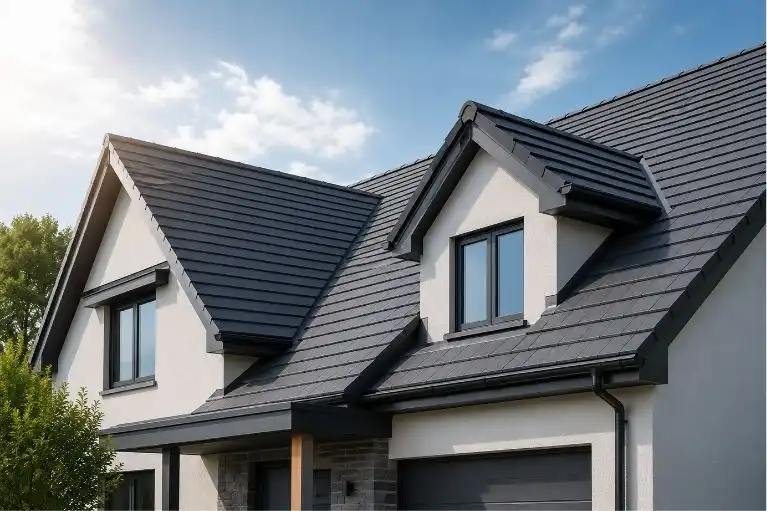
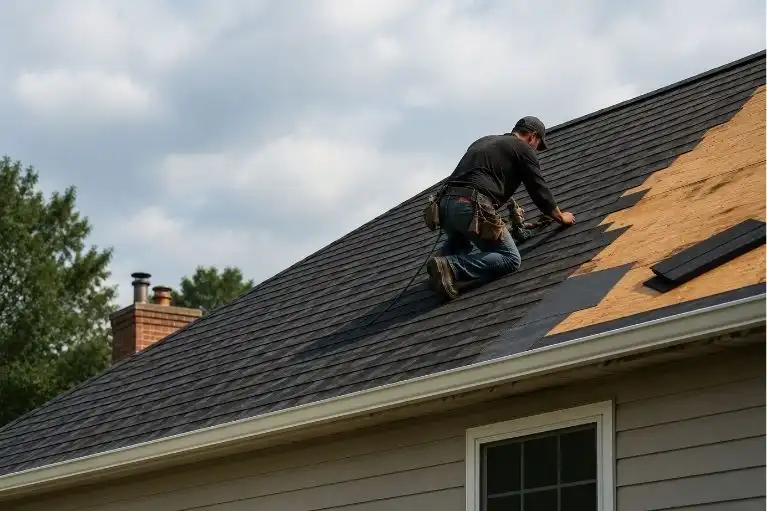
A leaking or aging roof can lead to serious damage if ignored for too long. Many homeowners delay repairs or assume temporary fixes will solve the problem, yet that decision can result in costly interior damage and larger roofing replacement expenses. According to research from Today’s Homeowner, nearly 60% of homeowners postpone needed home repairs due to cost concerns, allowing problems to worsen over time.
This means that small roofing issues often grow into larger and more expensive problems when left unaddressed, increasing the likelihood of major repairs or full roofing replacement later on. So how can you tell when repairs are enough and when roofing replacement becomes the smarter long-term solution?
What Is A Roof Replacement
A roofing replacement involves removing part or all of an existing roof system and installing new roofing materials to restore protection, structural performance, and long-term durability. Unlike a repair that targets isolated damage, replacement addresses widespread wear, aging materials, moisture intrusion, or structural concerns affecting the roof as a whole.
Homeowners treat roofing replacement as a project that can wait, especially when leaks appear minor or damage stays out of sight. Research across the roofing industry shows a different reality. Roof problems often develop beneath shingles or roofing membranes long before visible water stains appear, leading to damaged decking, insulation issues, and interior deterioration.
What Are Your Roof Replacement Options
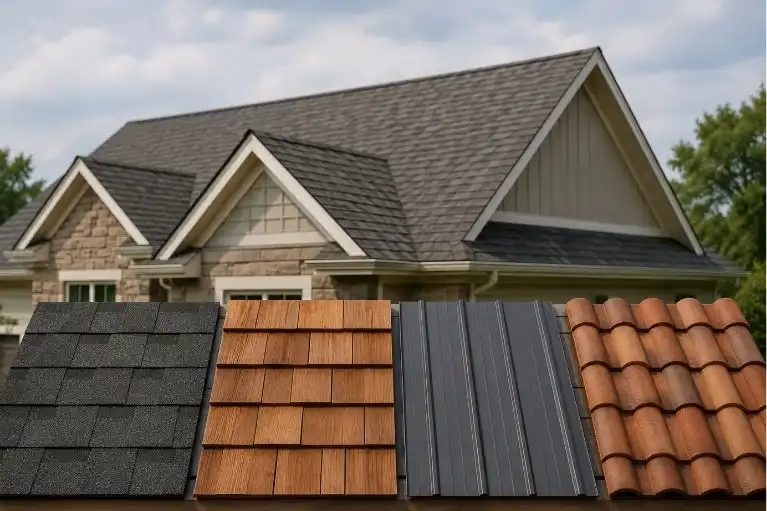
Selecting the right roofing replacement system depends on your property’s structure, drainage needs, insulation goals, and long-term performance expectations. At Best Roofers, we provide reliable solutions designed for residential and commercial roofing replacement projects alike.
1. Blue Roofs
Blue roofs are designed to manage and temporarily store rainwater, helping control runoff and reduce pressure on drainage systems. This roofing replacement option works particularly well on modern flat and low-slope buildings where water management is a concern. Many property owners choose blue roofs to improve resilience during heavy rainfall and protect roof structures from long-term water damage.
For larger premises, blue systems can also support commercial roofing replacement projects requiring practical drainage solutions and compliance with building standards. While installation requirements vary, planning early helps control roof replacement cost and ensures the system matches your property’s drainage capacity and long-term performance goals.
2. Green Roofs
Green roofs combine waterproof roofing systems with vegetation layers to create attractive and environmentally conscious roofing solutions. This style of roofing replacement improves insulation, reduces heat transfer, and helps manage rainwater naturally. Property owners seeking sustainable upgrades often explore green systems alongside flat roofing replacement projects, especially on garages, extensions, and urban buildings.
Green roofing can also complement conservatory roofing replacement plans where temperature control and visual appeal matter. Beyond aesthetics, living roofs may improve energy efficiency and reduce environmental impact when professionally designed and maintained. Choosing experienced contractors ensures drainage, waterproofing, and structural support are properly addressed throughout the installation process.
3. Warm Roofs
Warm roofs remain one of the most popular solutions for modern flat roof construction and upgrades. Insulation is installed above the roof deck, helping improve thermal efficiency and indoor comfort throughout the year. Many homeowners consider a warm system during a flat roof replacement because it reduces heat loss and supports long-term durability.
This approach is also widely used in flat roofing replacement projects where older roof systems struggle with moisture or poor insulation performance. Although specifications vary by property, understanding potential roof replacement cost early helps homeowners compare options realistically and plan improvements that balance energy savings with long-term roof protection.
4. Bitumen Roofing
Bitumen roofing is valued for strength, weather resistance, and dependable waterproofing. Built-up felt and torch-on systems are commonly installed on residential and commercial properties requiring durable protection against harsh weather conditions. Many contractors recommend bitumen during commercial roofing replacement work because it performs well on flat and low-slope structures while offering reliable lifespan expectations.
As a proven roofing replacement option, bitumen systems can also suit garages, extensions, and utility buildings. Some property owners compare bitumen with premium materials during slate roof replacement planning to weigh durability, appearance, and maintenance needs. Professional installation remains essential for dependable long-term performance.
5. Felt Roofing
Felt roofing continues to be a practical and cost-effective option for many residential and commercial properties. Modern felt systems provide dependable waterproofing and are frequently selected during flat roof replacement work where durability and value are priorities. Businesses often use felt systems for low-slope roofs, while homeowners may explore them during conservatory roofing replacement projects seeking better weather protection and insulation.
Felt can also serve as an alternative consideration alongside slate roof replacement discussions when balancing appearance, lifespan, and budget. Professionally installed felt systems offer reliable protection, manageable maintenance requirements, and strong performance for properties requiring efficient roofing upgrades and long-term weather resistance.
What Signs Indicate You Need A Roof Replacement
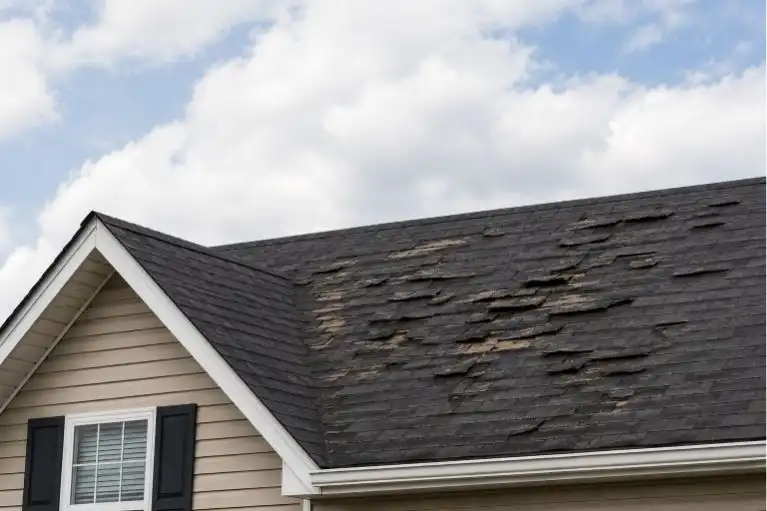
A roof usually shows warning signs before major damage develops. Recognising these early can help reduce roof replacement cost and prevent expensive repairs. Knowing when roofing replacement is necessary helps homeowners make smarter long-term decisions.
Property owners should watch for:
- Missing or damaged shingles: Cracked, curling, or missing shingles weaken roof protection and may signal upcoming roofing replacement.
- Granules in gutters: Granule loss often points to aging materials and growing roof deterioration.
- Water stains or leaks: Ceiling stains and attic moisture suggest hidden damage that may require roofing replacement.
- Sagging roof areas: Uneven sections can indicate trapped moisture or structural concerns.
- Moss or algae growth: Excess moisture encourages roof deterioration and faster wear.
- Standing water on flat roofs: Ponding water, blistering, or repeated leaks often indicate a flat roof replacement or flat roofing replacement may be needed.
- Aging roofing materials: Older systems, including those needing slate roof replacement, conservatory roofing replacement, or commercial roofing replacement, often perform poorly and become more costly to maintain.
Addressing roofing issues early can help control roof replacement cost and protect your home from escalating damage. Small leaks, trapped moisture, and worn materials may appear minor, yet delays often lead to structural repairs, mould, and interior deterioration.
Repair Or Replacement: Which Makes More Sense?
Repairs remain valuable when roof damage stays isolated and structural integrity remains strong. Minor flashing repairs or replacing damaged shingles may resolve localised problems. Persistent leaks, ageing materials, repeated water intrusion, and rising repair bills signal a larger issue. Planning ahead turns roofing replacement into a proactive investment rather than an emergency expense.
Properties with ponding water or failing membranes often reach a stage where flat roof replacement becomes more practical than continued patch work. Choosing experienced contractors, proper permits, and reliable warranties helps protect residential and commercial roofing replacement projects while supporting long-term roof performance, safety, and property value across every project stage carefully.
Arrange Your Roof Replacement Today
Roof problems rarely improve on their own, and delaying action often leads to greater damage and higher repair expenses. Leaks, trapped moisture, worn materials, and drainage issues can affect both the roof structure and the interior of your property over time. Acting early and working with experienced roofing professionals helps protect your investment and gives you confidence that the right solution is being installed.
If you are considering roof repair or replacement, Best Roofers provides reliable solutions for residential and commercial properties across the UK. For professional repairs, maintenance, and replacement, check out our Roof Repair services. We provide expert workmanship and tailored recommendations for residential and commercial properties across the UK. Contact us at bestroofers.uk@gmail.com or call 0161 951 7958 to arrange a consultation or request your free quote today.
Frequently Asked Questions About Roofing Replacement
How much does it cost to replace a roof?
Roof replacement costs vary based on roof size, material, accessibility, labour rates, and repair needs. In the UK, smaller asphalt or felt roofing projects may cost several thousand pounds, while premium systems such as slate or complex roofs can cost considerably more. Flat roofs and commercial properties also involve different pricing structures.
Structural repairs, insulation, flashing, and drainage upgrades may increase the final figure. The best way to understand roof replacement pricing is to request a professional inspection and written quote tailored to your property and roofing requirements.
How do you replace a roof tile?
Replacing a roof tile begins with identifying the damaged section and safely accessing the roof. Roofing professionals carefully remove the broken or slipped tile without disturbing surrounding materials. The roof underlay and battens are then checked for moisture damage or deterioration.
A matching replacement tile is secured in position and surrounding tiles are inspected to confirm stability and weather protection. Although homeowners may attempt minor tile repairs, roof work carries safety risks and hidden damage is easy to miss. Professional installation helps maintain roof performance and prevents further problems.
What is the cheapest way to replace a conservatory roof?
The cheapest way to replace a conservatory roof usually involves lightweight roofing systems such as insulated panels or modern tiled alternatives designed to improve comfort and efficiency. Costs depend on conservatory size, structural condition, insulation requirements, and chosen materials.
Many homeowners replace outdated glass or polycarbonate roofs because they struggle with heat, noise, and temperature control. Lower-cost solutions may reduce immediate spending, although long-term durability and energy performance should also be considered. A professional assessment helps determine the most suitable and cost-effective conservatory roof replacement option for your property.
How long does roof replacement take?
Most roof replacement projects take between one and five days for active installation, although the full process may take longer once inspections, permits, material ordering, and weather conditions are considered. Simpler asphalt or felt roofs are often completed faster, while slate, tile, or larger commercial roofing systems may require additional time.
Roof size, accessibility, structural repairs, and material choice also influence project duration. Professional roofing teams work to minimise disruption while maintaining safety and installation standards. Receiving a project timeline before work begins helps homeowners plan with confidence.