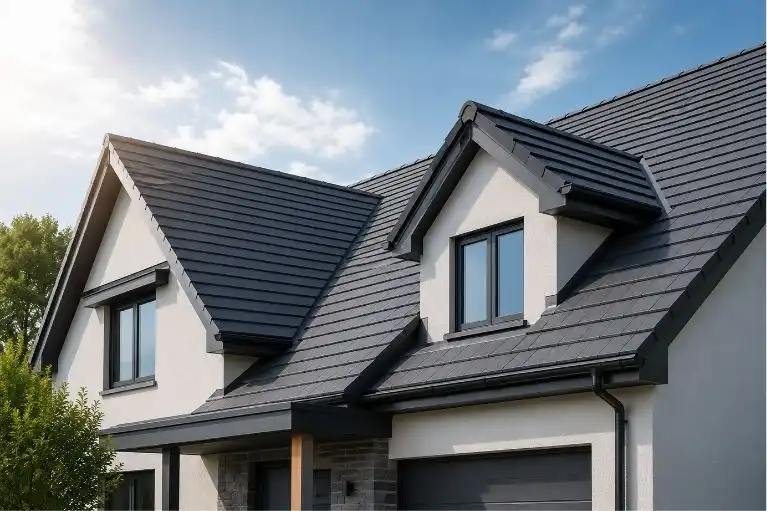
Bituminous membranes have been a cornerstone of commercial flat roofing systems for decades. Despite the introduction of newer materials like EPDM, TPO and PVC, bituminous membranes remain one of the most trusted and widely used solutions in the flat roofing industry. Their reputation is built on durability, waterproofing, flexibility and cost-effectiveness, all critical factors for the long-term performance of a commercial roof.
In this blog, we’ll take a closer look at bituminous membranes, explore their advantages, discuss how they compare to other roofing options and explain why they remain a top choice for commercial properties, especially when installed by trusted specialists like Best Roofers .
What Are Bituminous Membranes?
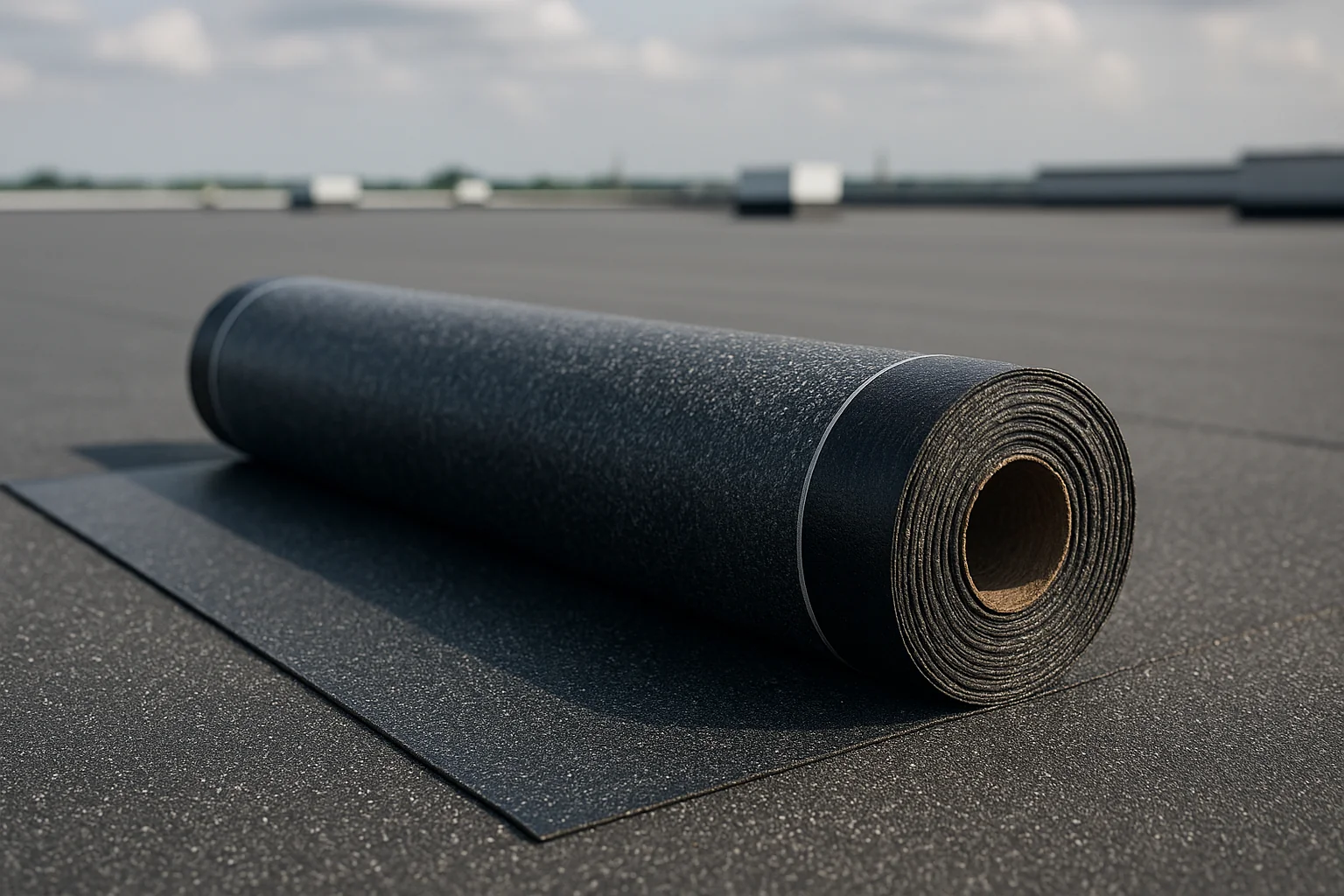
Bituminous membranes are asphalt-based materials used in flat and low-slope roofing systems. They typically consist of a bitumen (asphalt) compound reinforced with materials like polyester or fibreglass to enhance strength and stability. These reinforced bitumen layers are applied in multiple layers, creating a robust waterproof barrier that protects buildings from moisture ingress and is a key part of advanced flat roof waterproofing systems.
There are two main types of bituminous membranes:
- SBS (Styrene-Butadiene-Styrene) modified bitumen offers enhanced flexibility and is particularly suited to regions with fluctuating temperatures.
- APP (Atactic Polypropylene) modified bitumen provides increased UV resistance and durability under direct sunlight.
These membranes can be installed in several ways, including torch-on application, self-adhesive methods and cold-applied systems, making them versatile for different building and weather conditions.
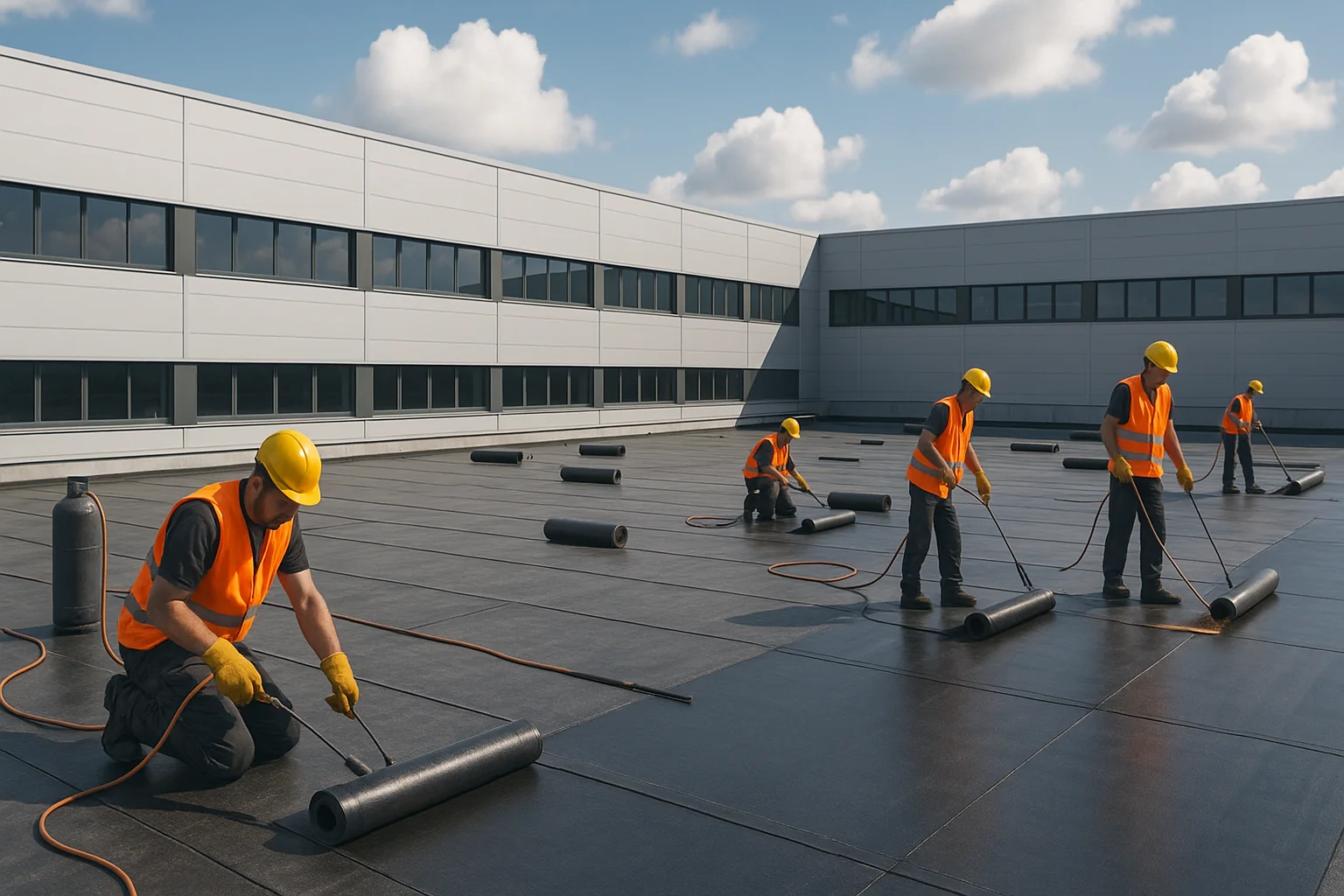
Why Bituminous Membranes Are Ideal for Commercial Flat Roofs
1. Superior Waterproofing Capabilities
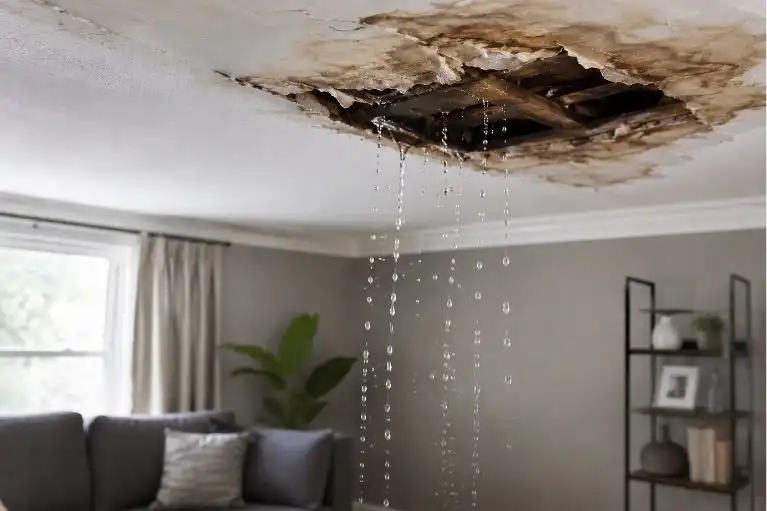
The primary function of any roof is to keep water out and bituminous membranes excel in this area. When properly installed, they form a seamless and impermeable layer that resists water penetration even in severe weather conditions. This makes them especially effective for commercial flat roofing systems, blue roofs designed for water retention and green roofs where waterproofing is critical.
While bituminous membranes remain popular, sustainable roof systems like green and blue roofs are gaining ground across UK cities. Green and Blue Roof Systems: Why More UK Businesses Are Building Sustainably
2. Durability and Longevity
Bituminous membranes have a lifespan of 20 to 30 years and even longer with proper maintenance. Their layered construction makes them resistant to mechanical damage, foot traffic and environmental wear and tear. This durability ensures that business owners get long-term value for their investment.
3. Flexibility in Application
Whether you opt for torch-on, cold-applied or self-adhesive installation, bituminous membranes can be Best Roofers pted to various site conditions and preferences. This flexibility reduces downtime and speeds up the installation process, which is a significant benefit for businesses that need to remain operational during roof work.
4. Fire and UV Resistance
APP-modified membranes, in particular, offer excellent resistance to UV rays and high temperatures, making them suitable for exposed roofs in sunny or hot climates. Many modern bituminous systems also include fire-retardant properties, offering an additional layer of safety for commercial buildings.
5. Compatibility with Other Systems
Bituminous membranes work well with a wide range of insulation and vapour control layers, which is essential for creating an energy-efficient and compliant flat roof system. They are also ideal for integration with green roofs or solar panel systems and play a vital role in supporting sustainable flat roof technology.
Torch-On Felt Roofing: Tried and Trusted
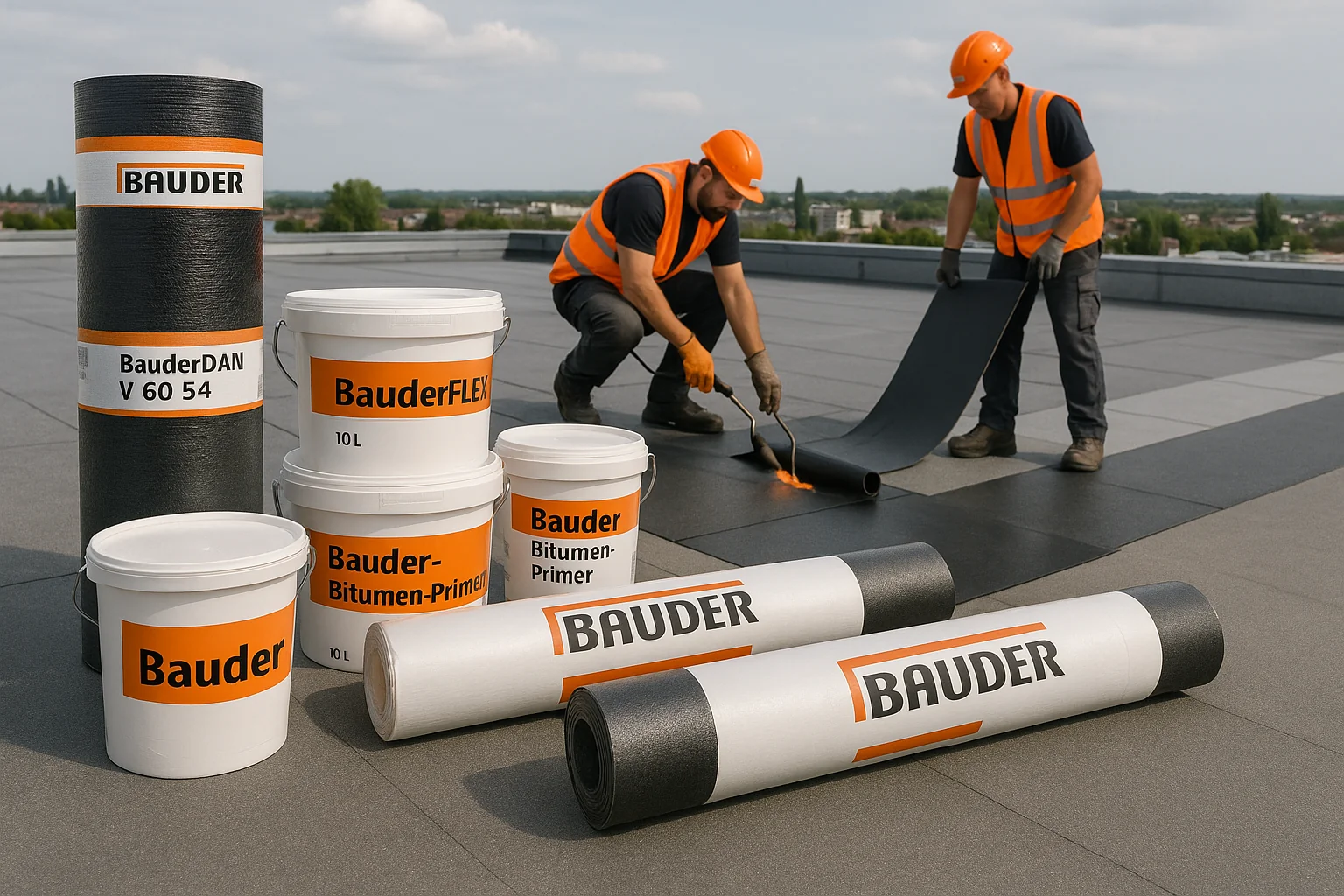
Torch-on felt roofing is one of the most common methods of applying bituminous membranes. The process involves heating the underside of the membrane with a gas torch and bonding it to the roofing surface. This creates a strong and watertight seal that is especially effective on flat and low-slope roofs.
Advantages of torch-on systems include:
- Quick application with minimal mess
- Highly durable finish suitable for foot traffic and plant installations
- Layered installation (usually three layers) for added protection
At Best Roofers , we use Bauder bituminous membrane systems for torch-on applications. These high-performance solutions are known for their reliability and long-term performance in demanding commercial environments.
Read RestoreMasters’ complete guide to modified bitumen roofing to explore why bituminous membranes remain a top choice for commercial properties. https://www.restoremastersllc.com/commercial-roofing/modified-bitumen-roofing/
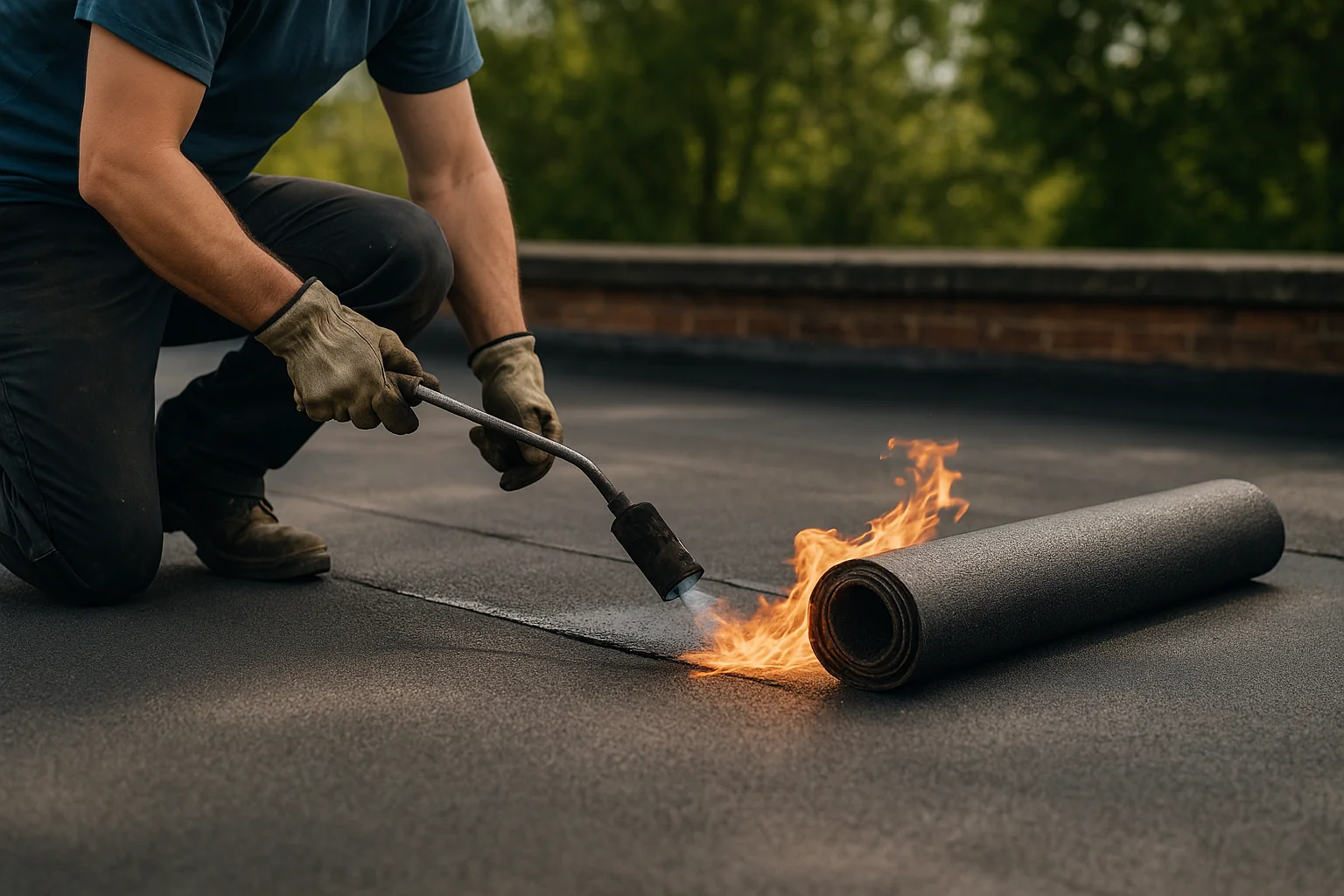
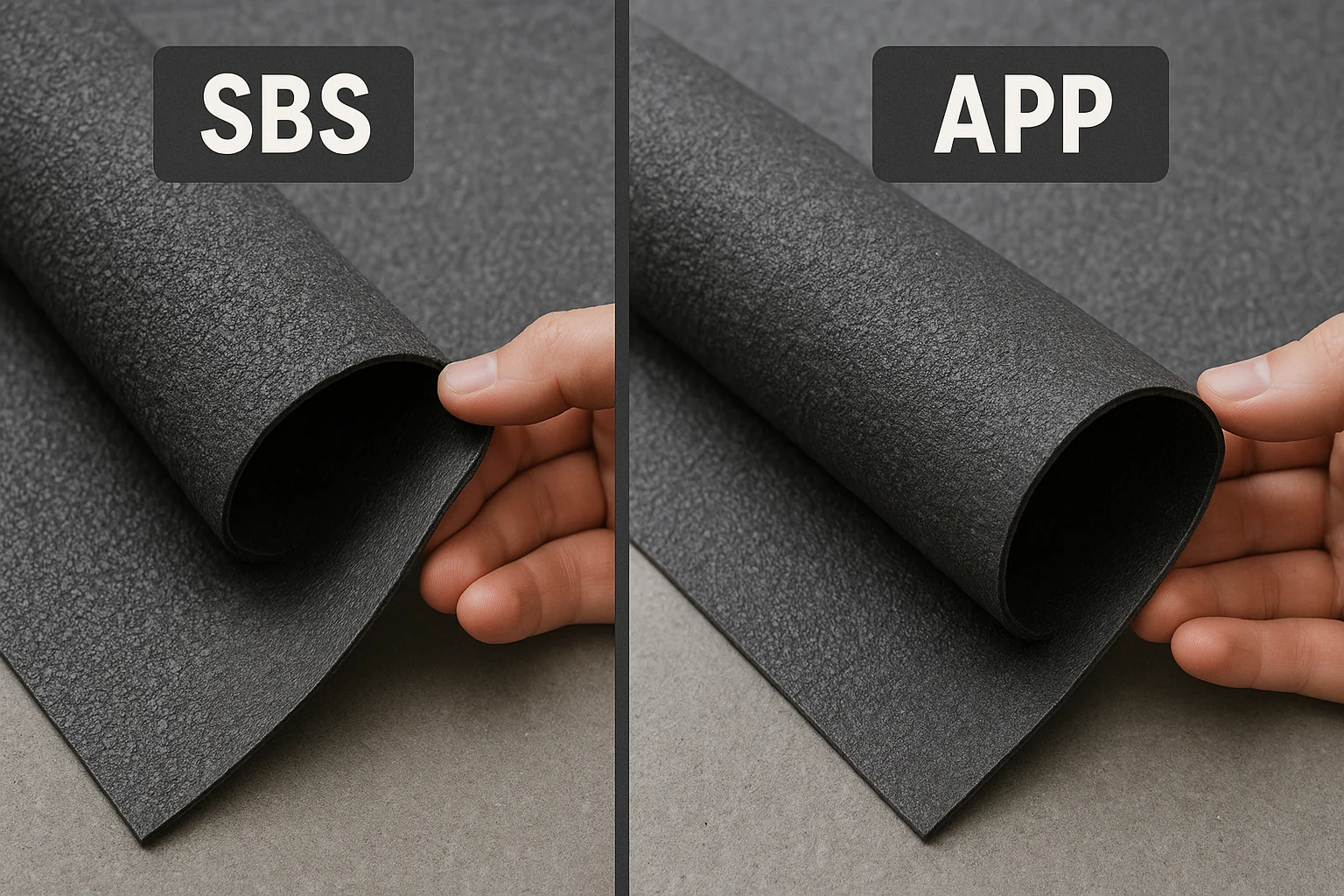
Modern Improvements: SBS and APP Explained
Both SBS and APP have brought significant improvements to traditional asphalt roofing systems.
- SBS membranes remain flexible in cold temperatures and adhere well to irregular surfaces, making them excellent for complex roof layouts.
- APP membranes are more rigid and offer increased protection against UV radiation, making them ideal for sunny climates or high-rise buildings with more exposure.
The choice between SBS and APP depends on climate conditions, the specific building requirements and budget. Best Roofers will help you select the best system for your commercial property.
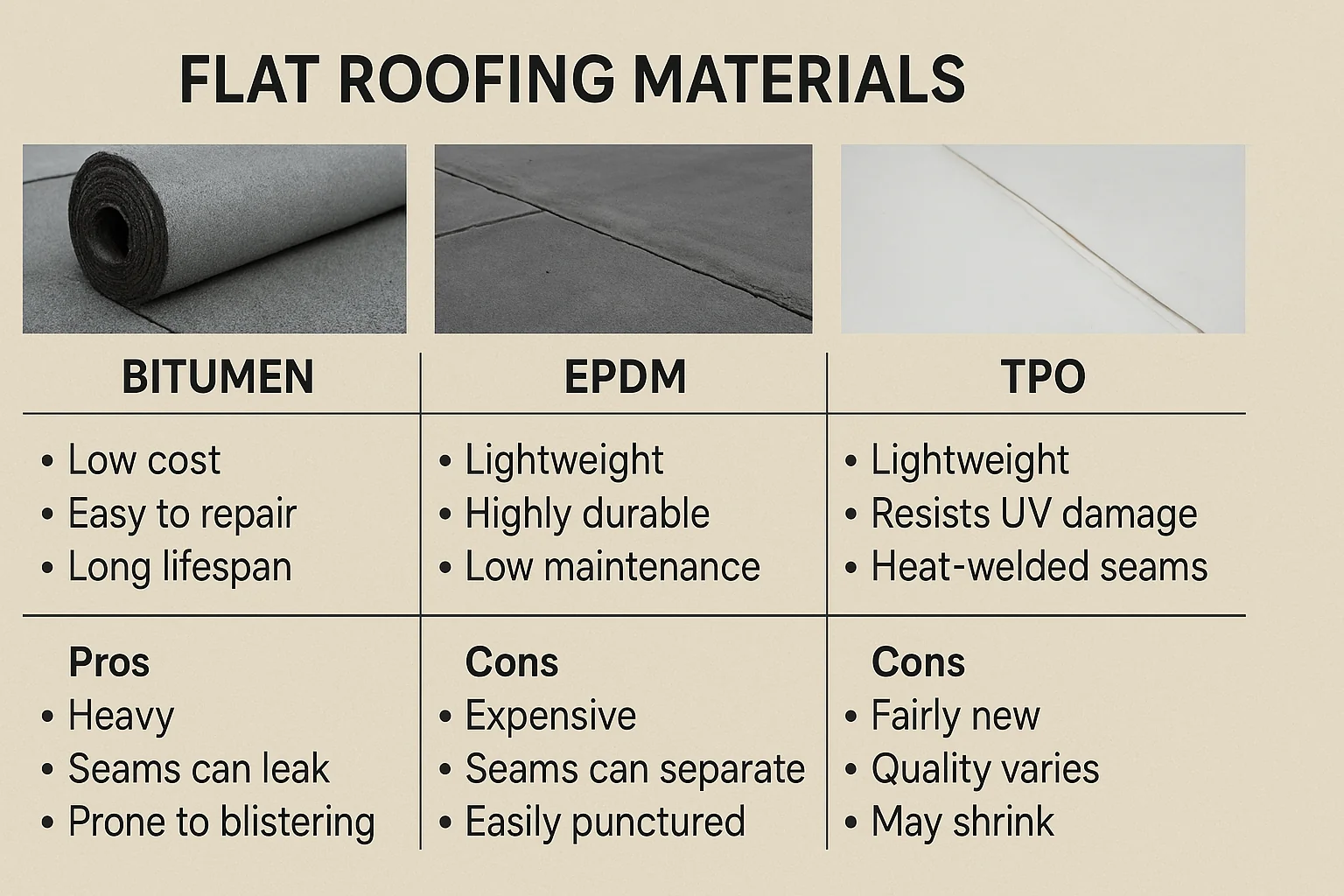
How Bituminous Membranes Compare to Other Roofing Systems
While synthetic options like EPDM and TPO have gained popularity, bituminous membranes often outperform them in key areas:
- Strength and puncture resistance: Bitumen-based systems are less prone to tears and damage from rooftop equipment or maintenance personnel.
- Waterproofing: The multiple layers in bituminous systems provide redundancy, significantly lowering the risk of leaks.
- Maintenance and repair: Repairs are straightforward and cost-effective, bitumen roofing systems can also often be overlaid rather than stripped.
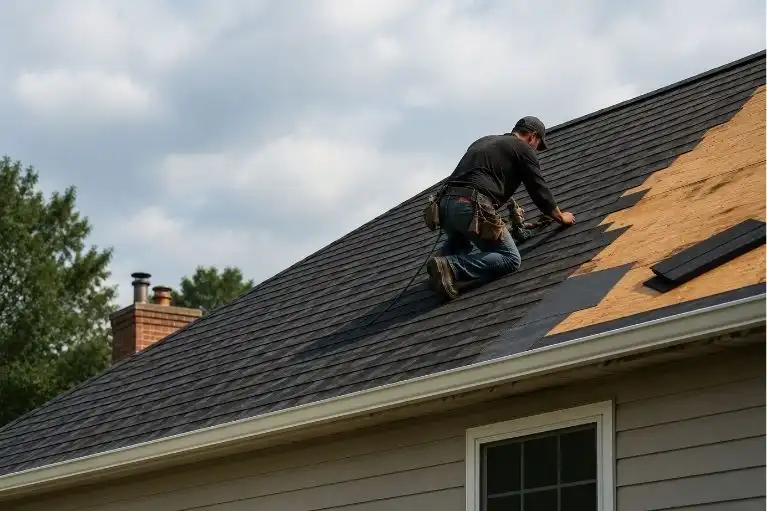
However, bituminous systems may be heavier and require heat for application, which means they must be installed by qualified professionals. That’s where Best Roofers come in, our certified installers ensure every layer is applied with precision.
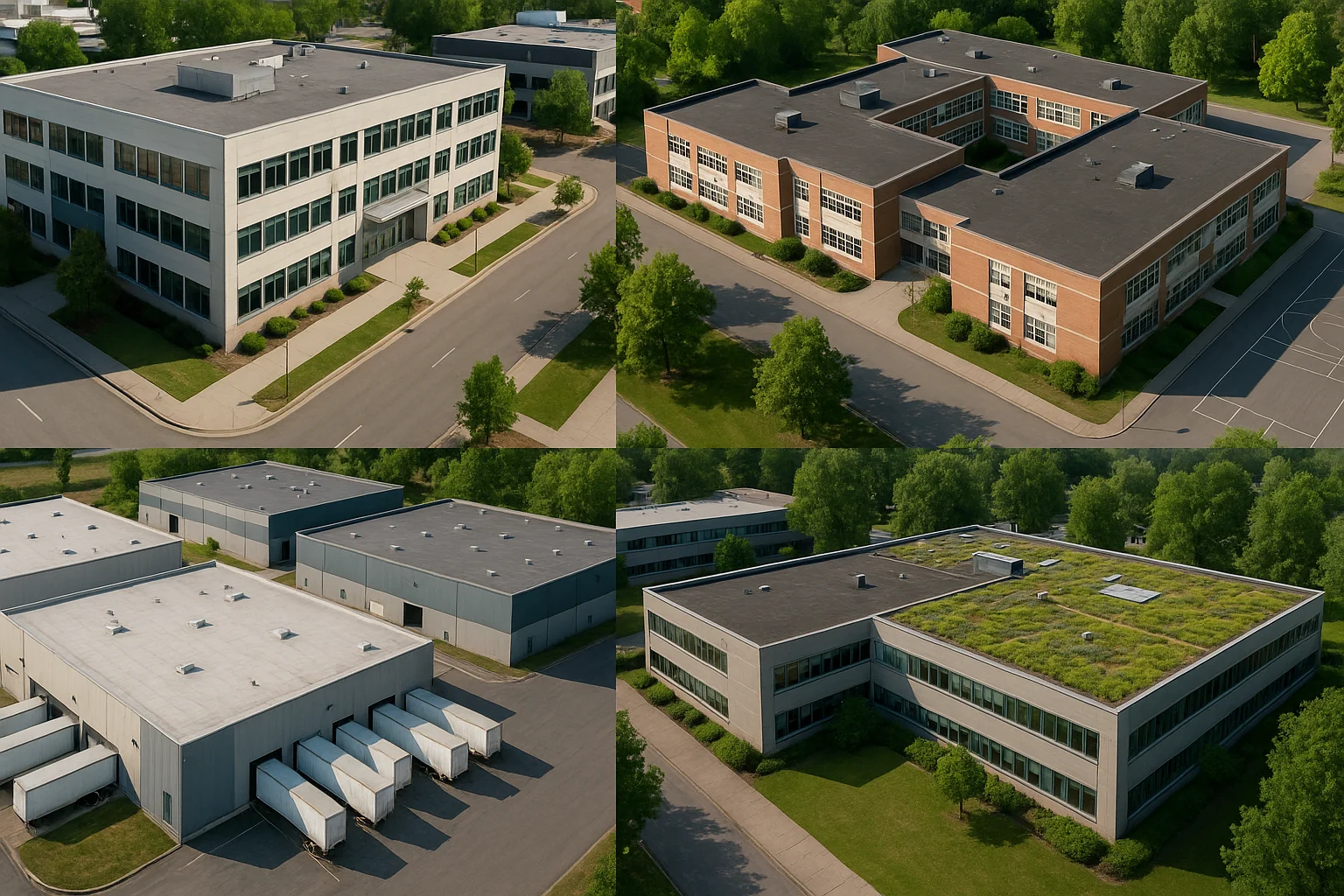
Common Applications in Commercial Settings
Bituminous membranes are widely used in various commercial and industrial environments:
- Office buildings
- Warehouses
- Schools and universities
- Retail centres
- Public sector buildings
- Green roofs and blue roofs
Their versatility and reliability make them suitable for any flat or low-pitch roof that requires robust waterproofing and long-term durability.
Bauder Flat Roofing Systems: Quality You Can Trust
As authorised installers of Bauder flat roofing systems, Best Roofers bring the highest standard of bituminous membranes to our commercial clients. Bauder’s range of SBS and APP modified membranes offer superior weather protection, thermal performance and sustainability features.
Whether you’re working on a new build or a refurbishment project, Bauder flat roofing systems deliver exceptional performance and value. Backed by comprehensive warranties and manufactured to meet UK building regulations, they are an investment in quality and peace of mind.
Installation and Maintenance Tips
To get the most from your bituminous membrane roof:
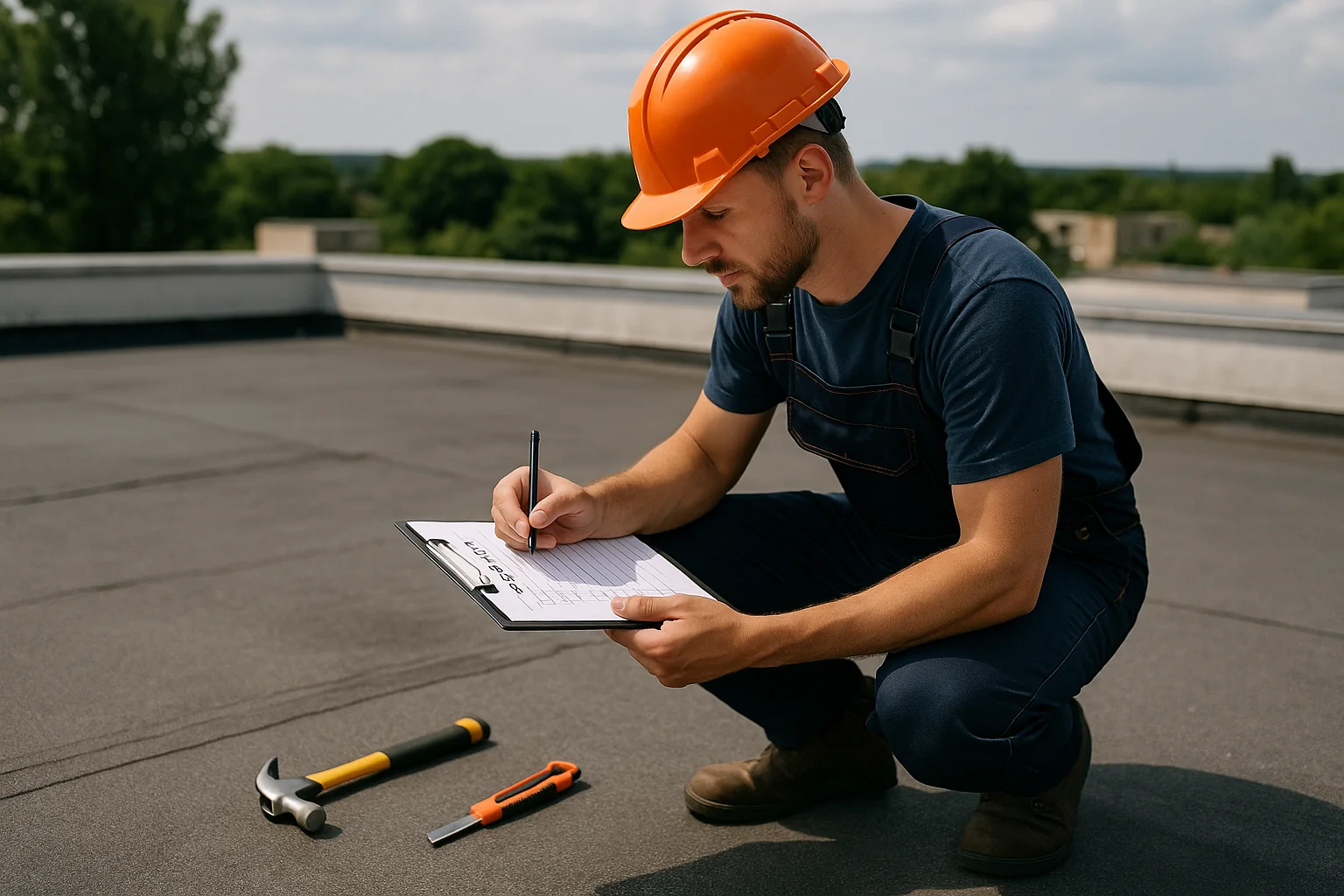
- Schedule regular inspections to catch minor issues early
- Ensure drains and outlets are clear to prevent ponding
- Use protective walkway pads if regular foot traffic is expected
- Keep detailed maintenance records for warranty purposes
With proper care, a bituminous roof can provide decades of leak-free performance.
Is a Bituminous Membrane Right for Your Property?
If you’re considering a new roof or a replacement system for your commercial building, a bitumen membrane roof is a solution worth exploring. With proven performance, customisable installation methods and excellent compatibility with modern roofing enhancements like green roofs and flat roof technology, they remain a leading option.
Best Roofers can advise you on the best bituminous solution for your building, whether it’s a multi-storey office block or an industrial warehouse. Our team will evaluate your needs, budget and location to recommend and install a flat roofing system that offers maximum value.
Contact Best Roofers Today
For expert advice and reliable installation of bituminous membrane roofing systems, get in touch with Best Roofers . We specialise in Bauder flat roofing and offer tailored solutions for commercial properties across the UK. Contact us today to book a consultation and discover why bituminous membranes are still the gold standard in commercial flat roofing.