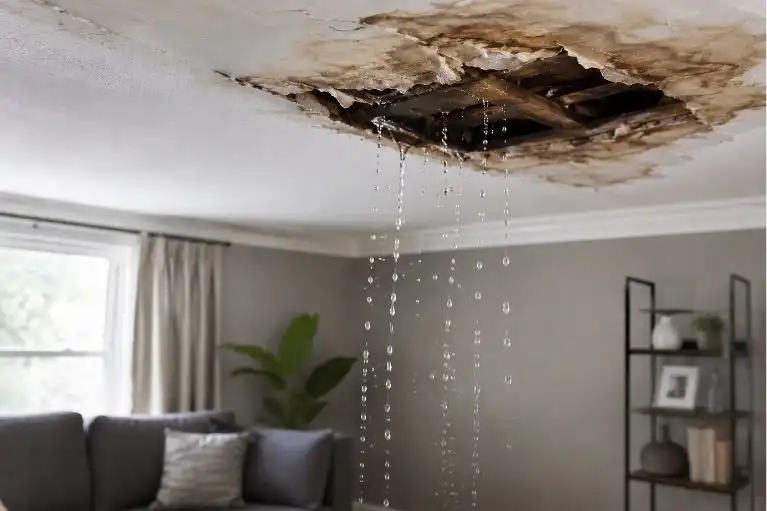
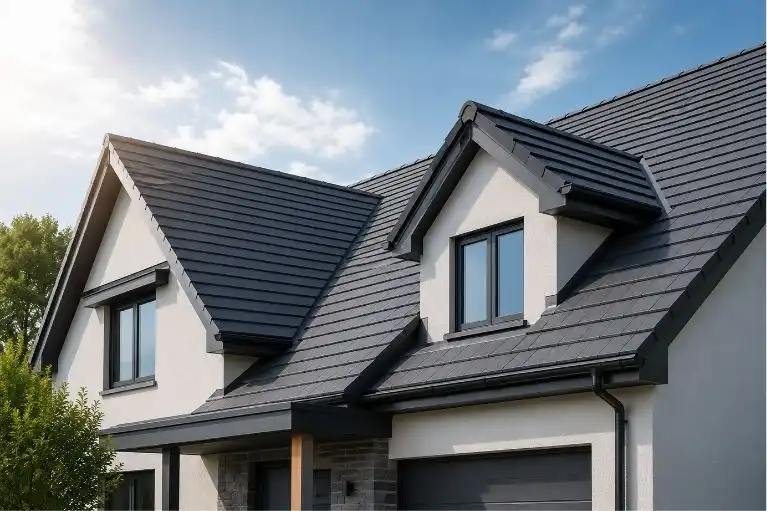
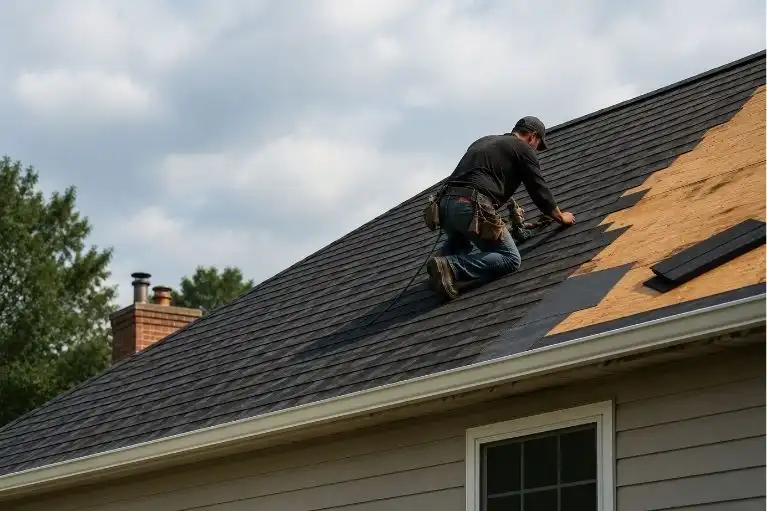
A strong, protective, and waterproof roof helps maintain your home’s structural integrity. Your roof protects everything in the building, and when problems occur, the cost of roof repair often depends on how quickly the issue is addressed. When your roof fails, you need to act promptly to prevent further damage and avoid escalating costs.
One of the first questions that comes to mind is what you can expect to pay for the roof repairs needed to restore your home’s comfort. Most of the roof isn’t visible, and unless you inspect the roof regularly, you probably have no idea of what could lurk beneath the clay tiles or asphalt shingles.
Hidden damage beneath the roof surface is typical, so it’s best to know what you may encounter when the roofing company lifts the protective roof coverings.
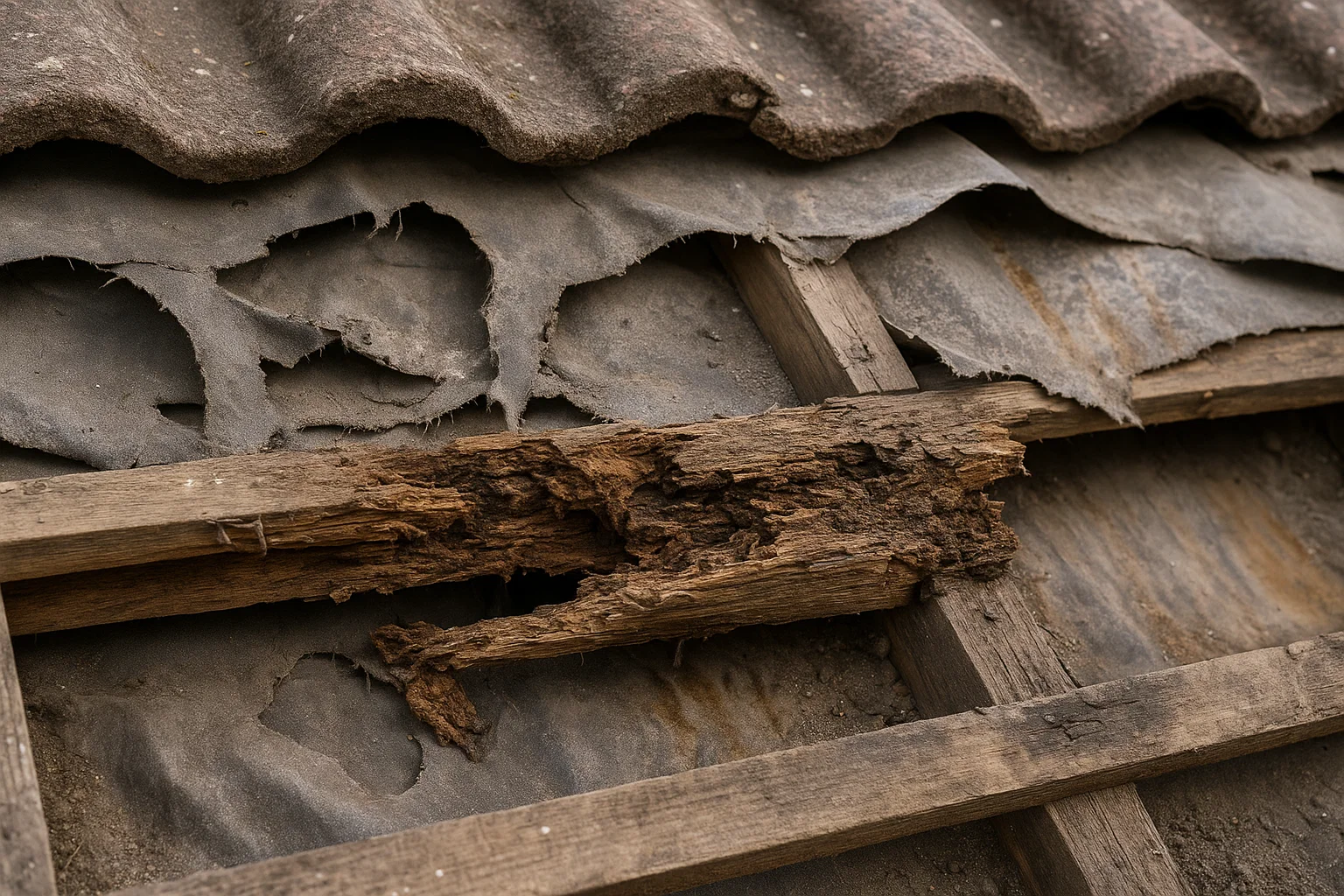
Common Hidden Costs:
Roof repairs can stretch the budget. What appeared to be a minor roofing repair, fixing leaks or replacing a few tiles, can quickly escalate. Several factors affect the size of the roofing repair bill.
Rotten timber replacement
Water doesn’t just stain ceilings; it also slowly weakens the supporting timbers that support the roof surface. Timber repairs can quickly drive up labour and material costs, turning what appeared to be a minor fix into a larger project that uses more materials.
Roof timber forms an integral part of your home’s structural integrity. It supports the roof and keeps the weather out. Rotten rafters, battens and trusses can have serious structural consequences. They must be fixed to avoid costly repairs in the future.
Wood rot is generally caused by trapped moisture, itself a result of poor ventilation, leaks from plumbing, or leaks from roofing materials. Poorly installed flashing can also allow rainwater to seep into the roof space, creating favourable conditions for wood rot. The roofing company must replace the rotten timber and address the underlying cause before replacing broken tiles or shingles.
Underlay membrane issues
The underlay lines the tiles, protecting the structure from wind-driven rain and condensation and preventing moisture creep. Underlay can move or become brittle and tear with time, deteriorating to the point where it breaks apart when touched. It can’t channel water away under these conditions and may need to be replaced.
If it remains in place, it could cause a leaking roof and eventual timber decay if left unattended. The roofer will need to remove tiles to replace the underlay membrane, which will incur labour and disposal costs. This is, however, an essential repair, as it will prevent long-term water and structural damage. If you leave the damaged roof unattended for long enough, you may even face a complete roof replacement.
Damaged Flashing
Flashing is the waterproofing material that protects the interface between the walls and the roof. It is also fitted around all openings, such as chimneys, skylights, and vents. It is a necessary part of the roof as it stops water from seeping through the gaps between the surfaces. Flashing should ensure a watertight roof space by sealing the most vulnerable points on the roof surface.
Flashing can crack, lift or shift, and it’s challenging to see this damage from the ground. By the time the roofer finds the problem, seeping water can have caused extensive damage to the interior roof structure.
A skilled roofer must apply specialist roofing compounds to restore flashing in vulnerable areas where the roof meets the walls. They will also need to repair any consequential damage.
Unseen Water Damage
As we have seen, damage to roof areas like flashing and underlay membrane, though difficult to see, can allow water into the roof space. If this seepage has continued for some time, it can cause significant damage to the underlying roof structures. Often, the water’s silent assault on the structure remains undetected until a roofer climbs into the ceiling.
Unseen water damage can cause soaked insulation, mould growth and weakened plasterboard. Excessive long-term moisture can warp beams and rot supporting timbers. These hidden problems add extra labour and materials to the roof repair costs.
Additional Scaffolding
Most professional Rooferswill include scaffolding costs in your roof repair quote, but the quote is often for a basic scaffold setup. However, unexpected scaffolding expenses can creep in. Once work begins, it may become clear that additional scaffolding is needed to reach problem areas safely. Older homes often need extra access for chimney repairs and other awkward angles, whereas modern flat roofs require significantly less scaffolding.
Scaffolding is priced per section and charged weekly. The roof height and type will determine the amount of scaffolding required. The larger and more complex the roofing work becomes, the higher the scaffolding costs. A roofer who identifies unstable roof sections may need to reinforce or extend the scaffold to ensure worker safety.
It’s best to avoid surprises by choosing a contractor who is clear about the possibility of additional scaffolding costs if unforeseen issues arise.
Waste Disposal and Skip Hire
Most roof repairs can generate a significant pile of debris, including damaged tiles, rotten timber and damaged underlay. Skip hire and waste disposal fees are usually listed as separate line items on the quote. If the scope of the repair widens, the amount of generated waste will also increase. This may require larger skips and extra labour and collections. Older roofs may contain materials with special disposal requirements, which can add to overall costs.
A trusted, transparent contractor will communicate any potential additional waste-disposal costs upfront.
Emergency Call-Out Fees for Roof Damage
Emergency roof repairs are rare, but they do happen. Gale storm winds could blow the roof tiles off, or a leak could worsen during a heavy downpour. You need a roofer to respond immediately. Your contractor will have to drop whatever they’re doing, rearrange their schedule and quite possibly travel outside regular hours to prevent any further damage to your home or assets.
Emergency calls often involve quick fixes, such as taping, sealing, or securing loose pieces while the roofer arranges materials and tile replacements for the complete repair. Temporary repairs incur labour and material costs that may appear to be a waste of money, but they can prevent any further damage to the inside of your home and save money in the long run.
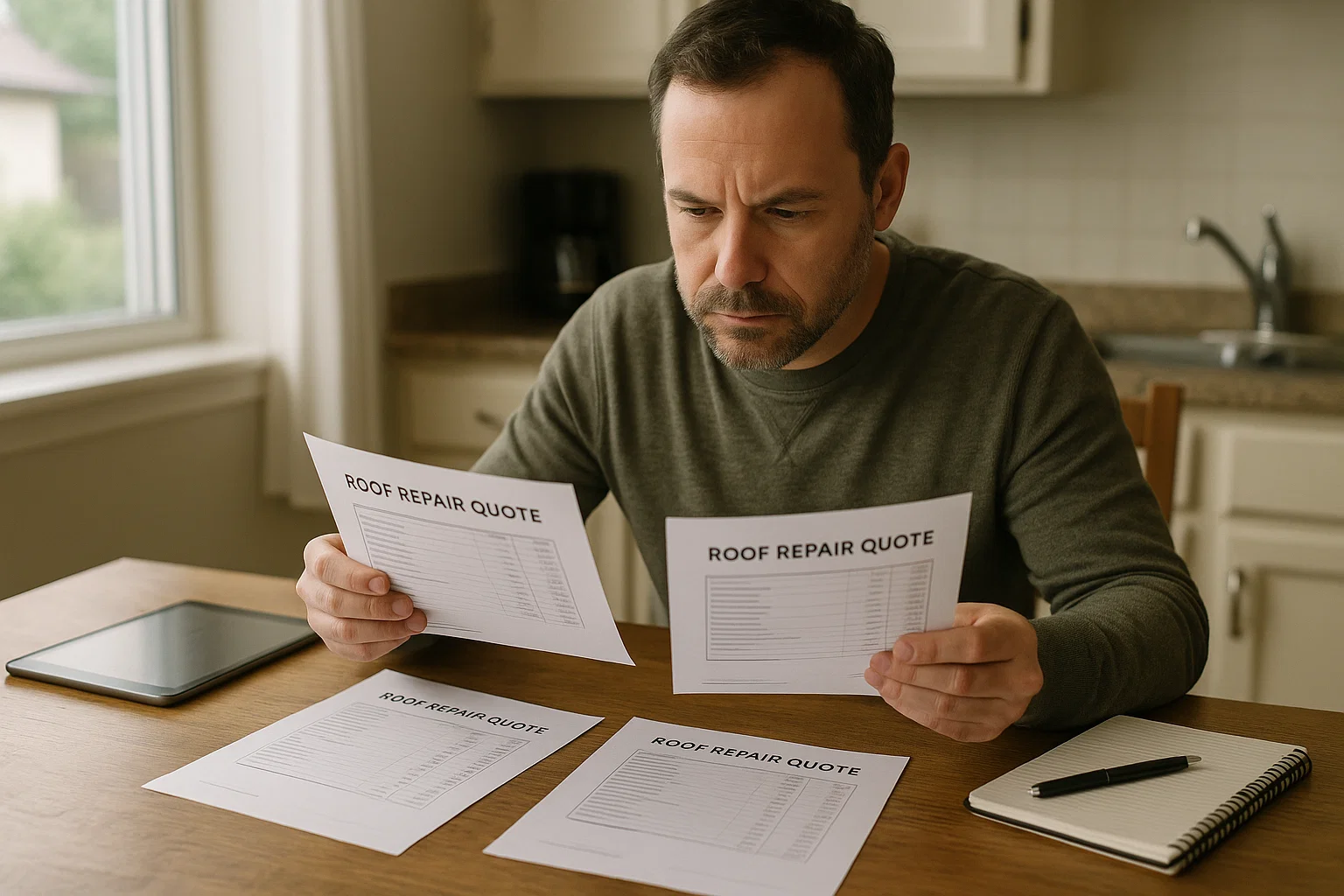
Why Roof Repair Quotes Vary So Much
Significant differences in roofing repair quotations are understandably a concern for UK homeowners. How can two roofing contractors charge vastly different prices for the same repair? More often than not, you are not comparing apples with apples. The cost of roof repair varies based on the materials used, the skills employed, and the level of transparency in the quote. Does the quote cover all the extras?
For independent guidance on how much roof repairs typically cost in the UK, you can also refer to Which?’s roof repair cost guide, which highlights average pricing and factors that influence overall roofer fees.
Let’s look at what could be causing the price differences when receiving quotes.
Roofing Material Costs
The quality and lifespan of roofing materials can vary substantially, even when they look similar, and costs can differ as well. The choice of flashing materials, for example, can range from aluminium to galvanised steel and premium lead flashing.
The roofer can use a basic felt roof underlay or a breathable membrane. Tiles and shingles differ in weight, strength and weather resistance. When it comes to roofing materials, you really get what you pay for.
Cheaper materials will reduce the upfront cost, but they won’t last as long, and you’ll have to fork out for more repairs in the not-too-distant future. A trusted roofing contractor usually specifies the materials they plan to use. If the quote is vague or very cheap, the roofer may be cutting corners on materials.
Roofing Project Work Quality
Roofing is a skilled trade. Experienced Roofersfollow proper installation techniques, use the correct fixings, and work safely on complex roof structures. A professionally installed roof should perform more reliably when the next storm strikes.
Builders with less experience may try to win jobs by offering lower prices, but unless they know what they’re doing, poor installation can lead to slipped, cracked tiles, leaks, and ultimately, roof failure.

Low Quotes May Conceal Hidden Extras
Some contractors undercut to win the job, then add costs once work begins. These costs may include waste disposal, scaffolding changes, flashing repairs, and additional labour for what they claim are unexpected problems.
Reliable Roofersinclude potential issues in the estimate, so you know what extras could affect the final cost.
How to Avoid Unexpected Roof Repair Costs
All too frequently, roofing repairs end up costing more than you had initially hoped. Roof repairs can become more expensive once the roofer climbs onto the roof to uncover previously unseen issues.
The best way to avoid surprise costs is to ask the right questions and choose a contractor with a reputation for transparency. Here’s how to prevent financial shocks along the way.
Ask for a Full Roof Repair Cost Breakdown
Do your research and get more than one quotation. The range of roof repair costs varies widely depending on what the contractor includes in the quote. Some contractors will offer much lower prices than others. Scrutinise the costs.
A single lump-sum price is of no value to you. Insist on an itemised quotation with separate material and labour costs. An itemised quotation allows you to compare quotations between various roofing contractors and gauge whether one contractor has quoted for items that another has omitted. You can also see exactly what you’re paying for, from tiles to flashing, underlay, scaffolding, disposal charges and more.
A contractor who can provide a detailed breakdown is usually one who plans the job correctly and is less likely to spring extra costs on you when the job is underway.
Request Photos Before and After the Inspection
Good Roofersuse photos to show homeowners what they’ve found. Requesting photos before work begins provides visual evidence of the problem areas. They help you to understand why repairs are needed. Use photos taken during and after the job to confirm that the contractor has completed the work to a good standard.
Photos can help avoid unnecessary repair costs. They reduce misunderstandings and help to build trust with the contractor.
Choose Fixed-Price or Transparent Estimates
Some Rooferswill provide fixed-price quotes for standard repairs. The price won’t change unless there are high, unexpected costs. Not all repairs qualify for a fixed price, as some issues are unpredictable, but choosing a contractor who provides transparent, clearly defined estimates will help limit the risk of hidden fees.
When fixed pricing isn’t possible, the roofer should explain any additional costs before the job begins. When unexpected expenses arise, they should be communicated to you immediately, as transparency makes it easier to manage the project’s financial aspects.
An itemised quote makes it much easier to understand what you’re paying for, especially if you’re familiar with what’s involved in a roof repair and the work required at each stage.
Questions to Ask Before Accepting a Quote
As with any major repair, a few direct questions can help clarify issues before work begins. And a good roofing contractor is generally happy to answer them. These discussions can help you to appreciate the actual cost of roof repair and reduce the risk of unexpected charges later.
What additional costs could arise?
No roofer knows precisely what to expect before work begins, but an experienced roofer understands the likely outcomes and can explain the possible outcomes and any additional expenses. These may include rotten timber, flashing repairs, underlay damage, fascias and guttering deterioration, additional scaffolding, and higher waste disposal costs.
A transparent contractor will explain possible scenarios and the pricing impact, rather than brushing the question aside. You can plan your budget more realistically when you know what could happen.
Are the repairs guaranteed?
A guarantee shows confidence in workmanship and materials. Always confirm whether the work includes a warranty and what it covers. Ask how long it lasts and whether it covers labour and materials.
Don’t trust a roofer who won’t guarantee their work or who avoids the question entirely. Reliable contractors stand behind their work. A proper guarantee can save you time and money if you encounter issues after completion.
Examples of Real Hidden-Cost Scenarios
A real-life example will help illustrate how hidden costs can surface.
Leaks That Revealed Rotten Joists
One of the most costly and unfortunately common incidents of hidden costs starts with what appears to be a simple roof leak repair. The homeowner calls a roofing company expecting a minor repair, but when the roof covering is removed, the extent of the problem becomes clear: it’s not minor.
In many cases, water has been leaking into the structure for months or even years. The damage isn’t visible from inside the home, but the moisture has already weakened the timber joists beneath the roof. What began as a modest repair quickly escalated into a structural issue that required removing the rotten wood and replacing it to restore the roof’s safety.
Joist replacement adds significant labour and material costs. It may require extra scaffolding, longer project timelines, and follow-up inspections to ensure the structure meets safety standards. Usually, the quotation would not have included these costs because the roofer could not see the damage without opening the roof.
Although discovering additional damage may be frustrating, skipping structural repairs is not an option. The rotten joists compromise the roof’s structural integrity, and costs will continue to escalate unless the damage is addressed promptly.
This example highlights why the cost of roof repair often increases over the course of a project and why transparent communication from the roofer is so essential.
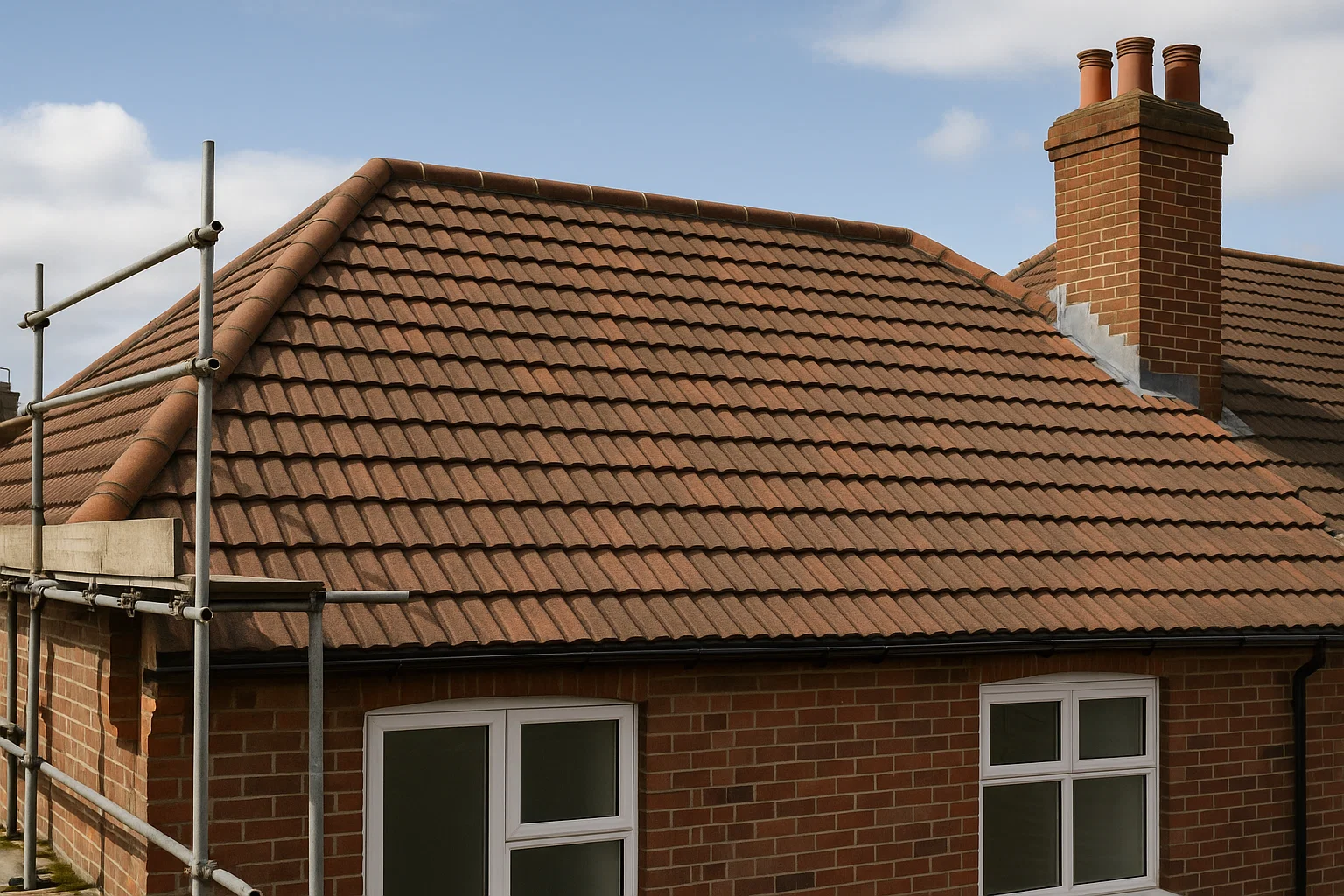
Understanding the True Cost of Roof Repair
The cost of roof repair is rarely just about replacing a few tiles or sealing a visible leak. In many cases, the real expense lies beneath the surface, where moisture, time and weather have already caused damage that cannot be ignored. Understanding this from the outset helps homeowners approach roof repairs with realistic expectations and avoid unpleasant financial surprises.
Hidden issues such as rotten timbers, damaged membranes, or deteriorated flashing often only come to light once work has started. While this can be frustrating, these repairs are essential to protect your home’s structure and prevent more costly problems in the future. Skipping necessary work to save money in the short term often leads to repeat repairs and escalating costs.
The most effective way to get the best roof repair and control the overall cost is to work with a roofer who is transparent, experienced, and willing to explain their findings. Detailed inspections, clear quotations and honest communication ensure you know what you are paying for and why. When repairs are carried out correctly the first time, your roof lasts longer, performs better and delivers far greater value over its lifetime.
In some cases, repeated repairs can become less cost-effective over time, which is why understanding the difference between roof replacement vs repair is so important before committing to further work.