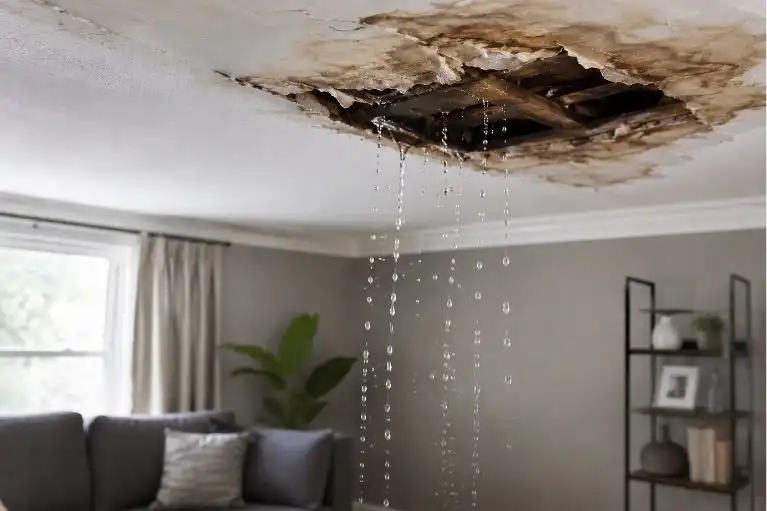
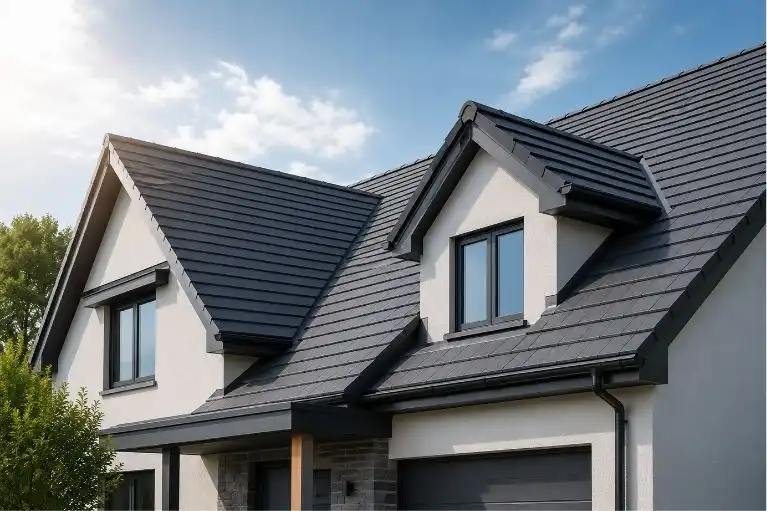
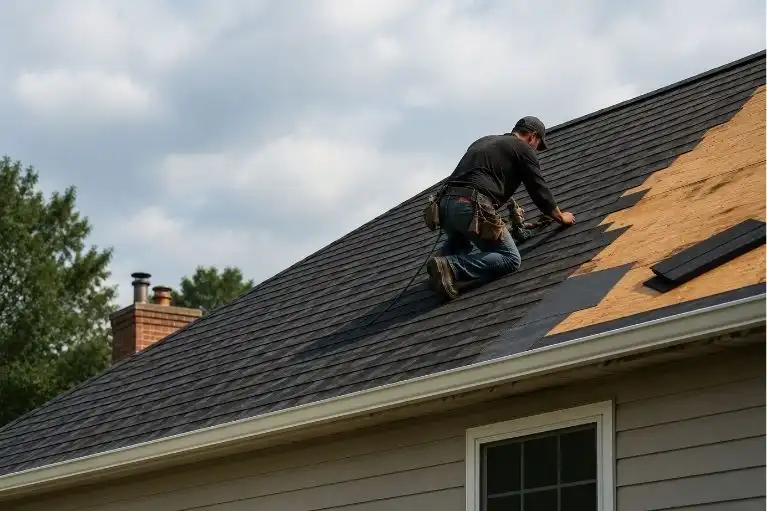
Like many modern building materials, roof tiles have evolved quickly in recent years. While many still keep the traditional look homeowners expect, today’s tiles are made with smarter materials that respond to growing demands for durability, energy efficiency, and sustainability. Advances in roofing technology mean modern roof tiles are now lighter, stronger and far better suited to the challenges of the UK climate.
New roof tile materials are designed to withstand heavy rain, strong winds and temperature changes, often lasting far longer before needing replacement. At the same time, innovation has focused on improving performance beyond basic weather protection. Energy-efficient roof tiles, solar-integrated systems, cool roofing surfaces and greener manufacturing processes are helping homeowners reduce energy costs while lowering environmental impact.
In this article, we’ll explore the most exciting modern roof tile options shaping 2026, looking at how new materials are improving comfort, sustainability and long-term performance for UK properties.
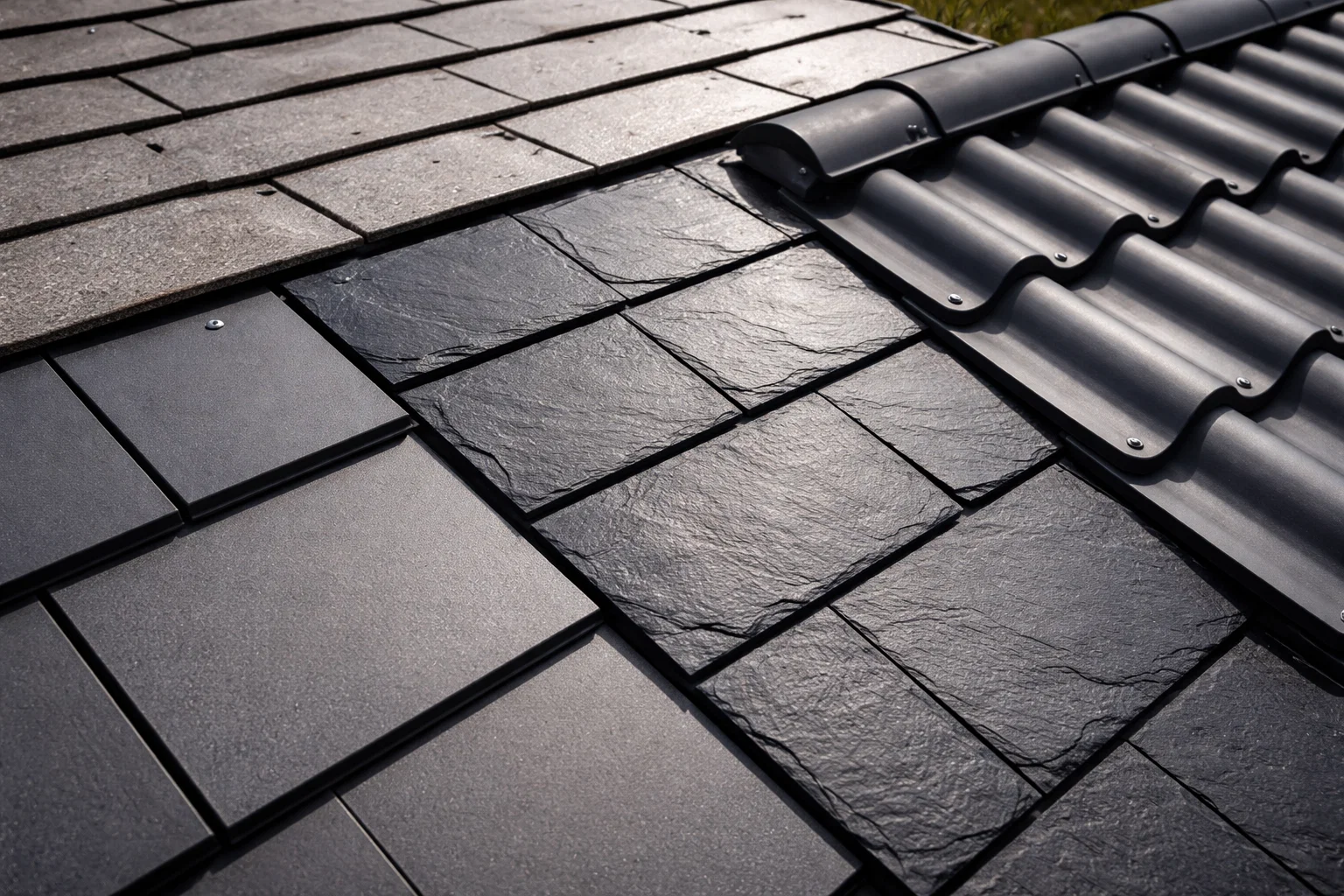
The Modern Roof Tile Types Creating Waves in 2026
Let’s take a look at the most exciting innovation in modern tiles today.
Composite Roof Tiles
Composite roof tiles are among the favourites for UK property owners in recent years. Designed to resemble slate or clay tiles, composite tiles are made from recycled plastics reinforced with mineral fillers. They are lightweight, weather-resistant and durable.
Composite Roof Tiles: Advantages
These tiles offer users several benefits, including:
- Composites are lighter than concrete or slate roof tiles
- These tiles are extremely durable and won’t easily crack
- Composite tiles offer repeatability of colour and shape
- Because they are lightweight, these tiles are faster to install and require less structural support, resulting in lower installation costs.
Composite Roof Tiles: Drawbacks
Still, it’s not all good news. Composite tiles also have a few drawbacks:
- The quality of the tile is manufacturer-dependent
- Some homeowners prefer natural materials.
- The upfront cost is higher than that of concrete roof tiles
- Some homeowners prefer “natural” materials
Best uses
- Roof replacements where the roof structure won’t support heavy roofing materials
- Period-style homes needing a slate look at a lower price point
- Extensions where structural limits apply
Recycled and Eco-Friendly Roof Tiles
Sustainable building materials have become increasingly more popular with the UK public. Today, many developers and residents demand environmentally friendly roofing materials, and tile manufacturers have responded by producing tiles from recycled waste. They also apply innovative process technologies in the energy-efficient manufacture of the tiles.
Durable, eco-friendly tiles with a longer lifespan reduce replacement frequency. Many are fully recyclable at the end of their useful life.
Eco-Friendly Roof Tiles: Advantages
This roof tile type offers users the following advantages
- Reduced environmental impact
- Lightweight and durable
- These tiles are moss and algae-resistant, making them a low-maintenance option.
- Eco-friendly tiles may qualify for sustainability-focused builds
Eco-Friendly Roof Tiles: Limitations
- The range of styles may be more limited than you’d expect from traditional tile.s
- These tiles may not suit the listed building requirements
- Eco-friendly tiles are more expensive than entry-level concrete roof tiles
Best uses
- Eco homes and low-carbon builds
- Homeowners who prioritise sustainability
- Modern housing developments
Eco tiles are increasingly popular when meeting environmental standards in new builds.
Lightweight Roof Tiles
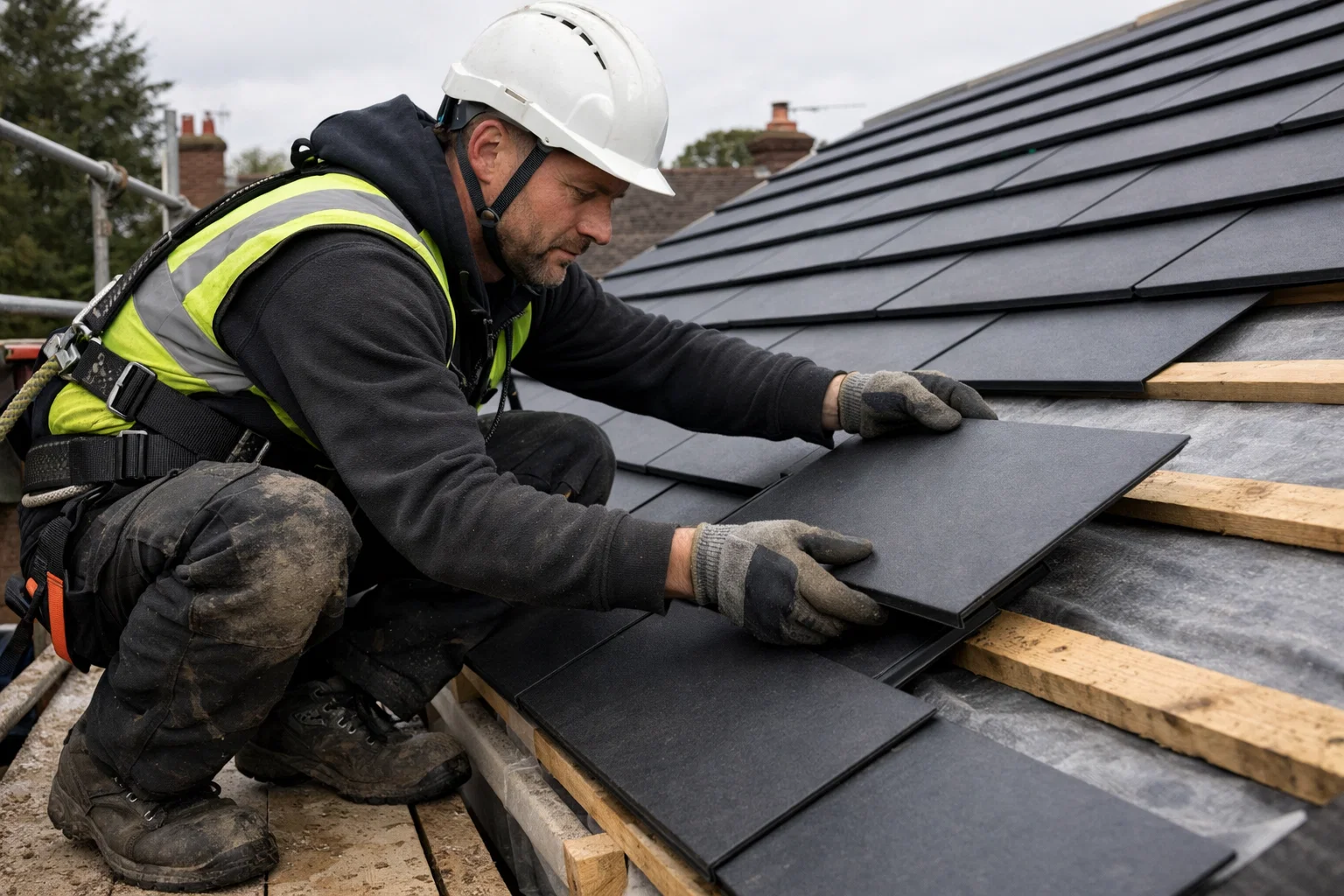
Weight is one of the most significant issues with older roofing systems. Traditional concrete and slate tiles are heavy, placing constant stress on the roof structure. Lightweight tiles are significantly lighter than conventional materials, often weighing about half as much as the original tiles. Composite tiles, lightweight concrete tiles, and fibre-cement tiles all fall into this category.
The Benefits of Lightweight Roof Tiles
Lightweight roof tiles bring several benefits, including:
- Reduced load on rafters and walls
- Easier and safer installation
- Lower transport and labour costs
Considerations
The tiles must be properly installed to resist wind uplift. Tile quality varies by manufacturer, so choose tiles from a reputable brand.
Best uses
- Roof replacements on older homes
- Loft conversions
- Extensions on existing roofs
Fibre Cement Roof Tiles
Fibre cement tiles are not new to the market, but newer versions are far better than the earlier products. The tiles consist of a mix of cement, sand and cellulose fibre. The controlled manufacturing process produces strong, uniform, lighter-than-concrete tiles.
Fibre Cement Tile: Advantages
This type of tile has several benefits:
- These tiles are lighter than concrete and clay tiles, making them easier to handle. Lower weight cuts labour costs, and they’re less expensive to transport
- Fibre cement has an excellent fire rating
- It is rot, insect, and frost-resistant
- The non-porous surface on these tiles resists mould and algae growth. The result is minimal maintenance requirements.
- Fibre tiles have a clean, modern appeal and can mimic their slate or clay counterparts
Fibre Concrete Tile Disadvantages
There is also some downsides, including:
- The fibre cement tile lifespan is shorter, at 30 to 50 years
- Fibre cement tiles are more expensive than concrete tiles
- They are more brittle than composite alternatives
- The colour may fade
Interlocking Roof Tile Systems
Interlocking roof tiles are not new, but modern interlocking systems are far more advanced than earlier versions. Side and head locks on these tiles fit securely together, making roof installation quick and easy with fewer fixing points. The lock design prevents water seepage and wind uplift, enhancing durability.
Choose from a variety of styles, materials, and colours, ensuring you can find a tile to suit almost any design aesthetic.
Key Benefits
Interlocking roof tile systems bring several benefits, including:
- Excellent resistance to wind and rain
- Reduced risk of water ingress
- Lower labour costs
- Can be used on roofs with a minimum pitch
- Durable interlocking tiles can last 50 years or more.
- Choose from a broad range of colours, profiles and styles
Downsides
These tiles are not the perfect solution for every roofing job. Here are the downsides:
- Interlocking tiles may not work as well on complex roof designs
- You may have to remove several tiles to repair a small section of the roof.
- They are more expensive than other roof tiles
Solar Roof Tiles
Solar roof tiles offer the ultimate modern solution for energy efficiency. The tiles have photovoltaic (PV) cells integrated into their structure, enabling them to generate green electricity. These functional tiles come in various styles that emulate slate, clay, and concrete tiles.
Solar Tile Advantages
This type of tile offers some obvious benefits:
- They generate renewable energy
- The roof retains its design integrity because there is no need to install solar panels on it.
- Solar tiles support sustainable building practices
- Many regions offer tax incentives and grants for solar installations
- Solar tiles often have extended warranties of up to 25 years.
Solar Tile Challenges
Still, solar tiles are not without their challenges. These include:
- High initial expense
- Specialist installation required
- Repairs are more complicated
- Solar tiles are not suitable for roofs with insufficient sun coverage.
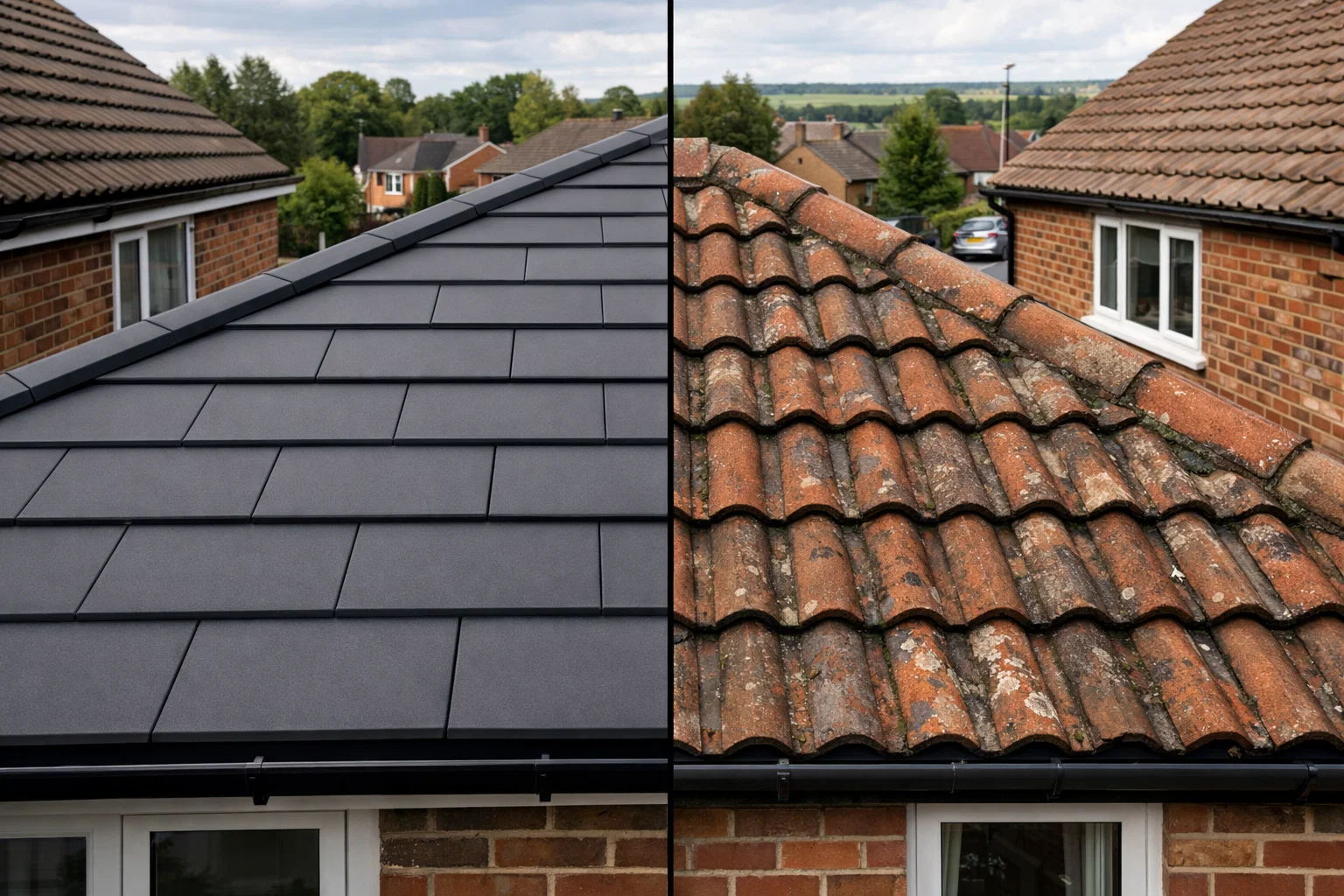
The Pros and Cons of Modern Tiles vs Traditional Tiles
The pros of Modern Roof Tiles
Modern roof tiles have the following benefits
- Lightweight: Modern tile materials are lighter, making installation easier and reducing the need for support.
- Better Weather Resistance: Interlocking systems make the tiles more waterproof. They also resist wind uplift and frost damage.
- Faster Installation: Installation is faster with uniform, lightweight, interlocking tiles.
- Energy Efficiency: Modern roofs are more energy-efficient, with Roofersusing solar tiles, reflective coatings, and better-integrated insulation.
- Sustainability: Modern tiles are often made from recycled materials. Because they are lighter, transport costs are lower and more sustainable. Developers demand these tiles for eco-builds.
- Versatile Designs: Fibre-cement and composite tiles are designed to look like slate and clay tiles. They are consistent in colour and finish.
The Cons of Modern Roof Tiles
Modern tiles have some shortfalls:
- Higher Initial Costs: The price per square metre of premium modern tiles is higher
- Not Always Appropriate: Listed and heritage projects often demand slate, clay or concrete tiles.
- Inconsistent Quality: The quality of modern tiles varies by manufacturer.
- Lacks Familiarity: Some developers and homeowners prefer the familiarity of traditional materials.
- Check the Lifespan: Some modern materials, such as replicated slate, will not last as long as natural stone.
The Pros of Traditional Roof Tiles
- Traditional materials include slate, clay, concrete and Roman tiles. You can expect the following benefits:
- Proven Longevity: Slate can last 80 to more than 100 years; clay and concrete Tiles often exceed 70 years.
- Classic Appearance: Traditional tiles are widely accepted by planners, especially in conservation areas.
- Durability: Heavy, robust materials can withstand decades of exposure to the elements.
- Established Supply Chain: Traditional tiles are readily available with established suppliers.
The Cons of Traditional Roof Tiles
Traditional tiles have disadvantages too:
- Heavy Weight: The material requires strong roof framing.
- Labour-Intensive Installation: The fitting process is slower due to the higher number of tiles per square metre of roof cover.
- Limited Energy Efficiency: These tiles offer minimal insulation or reflectivity. They depend heavily on insulation for thermal performance.
- Higher Maintenance: Porous surfaces absorb water. Moist tiles encourage moss and algae growth.
Modern or Traditional: Which is Best?
Modern tiles are best for new builds, extensions, loft conversions, and eco‑projects, offering lighter weight, sustainability, and energy efficiency.
Traditional tiles are well-suited to heritage propertieswhere planners demand authenticity and proven longevity.
Costs vs Durability
| Tile Type | Tile Costs m² | Durability |
| Concrete tiles | £40 – £70 | 40 to 60 years |
| Fibre cement tiles | £50 – £90 | 30 to 50 years |
| Clay roof tiles | £40 – £100 | 50 to 100 years |
| Natural slate | £80 – £120 | 80 to 100+ years |
| Composite tiles | £80 – £130 | 50+ years |
| Eco tiles | £70–£120 | 50+ years |
| Solar tiles | £250 – £350 | 25 to 30 years before efficiency drops |
Improved Performance in the UK Climate
The UK climate, with its heavy, frequent rainfall, strong winds, and freeze-thaw cycles, can be challenging for roof tiles. Modern tile roofs are designed to withstand the increasingly difficult weather conditions.
Recent innovations include improved water shedding, reduced water absorption, improved fixings, and greater frost resistance.
Energy Efficiency Improvements
Roofing plays a bigger part in energy efficiency than many homeowners realise. Modern tile systems feature improved underlays, enhanced insulation, reduced thermal bridging, and solar energy generation.
The Sustainability and Environmental Benefits of Modern Tile Systems
Modern roof tiles often have a much lower environmental footprint. Many of these tiles are made from recycled materials and will themselves be recycled when replaced. This reduces landfill waste. These tiles also generate renewable energy. Many have longer lifespans, meaning that they won’t require replacement for several decades. Lighter tiles minimise transport emissions.
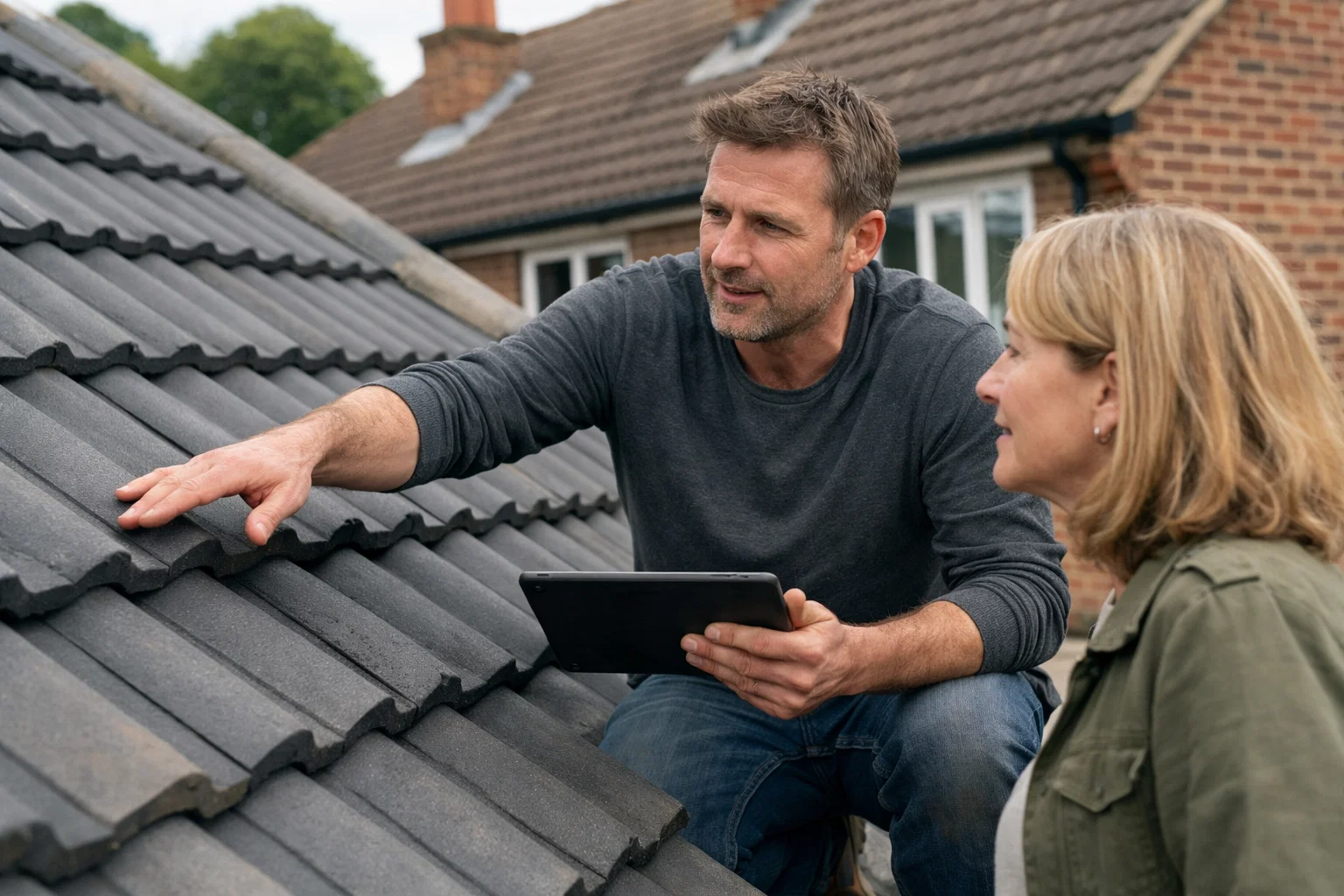
Why Professional Advice Matters
Choosing roof tiles is not just about appearance. A roofing specialist will consider the following aspects:
- Roof pitch
- Structural capacity
- Exposure to wind and rain
- Planning restrictions
- Long-term performance
Choosing the wrong tile can lead to premature failure.
Explore New Roofing Technologies
Roofing has changed, but many homeowners still choose materials based on outdated assumptions. Modern roof tiles are more efficient, perform better in UK climates and offer environmentally friendly alternatives. They can provide better value for money. So, if you’re planning a new roof, extension, or replacement, now is the time to explore the exciting innovations in roofing technologies.
Speak to the Best Roofing specialists today to discuss the best modern roof tile options for your property.