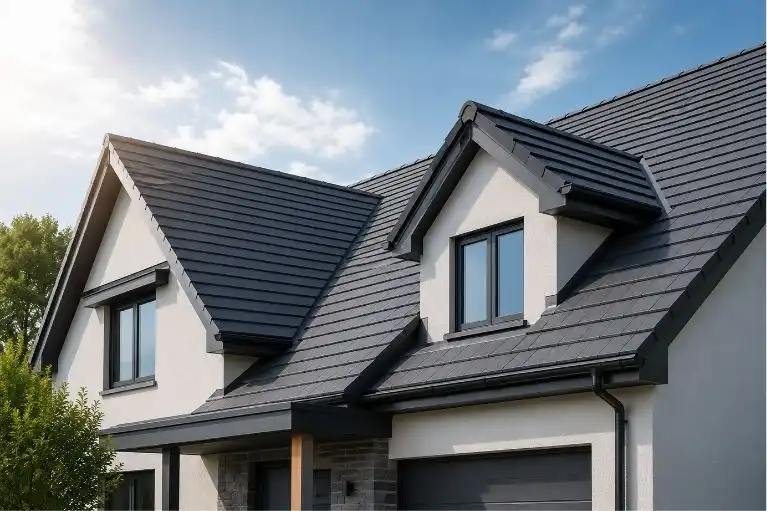
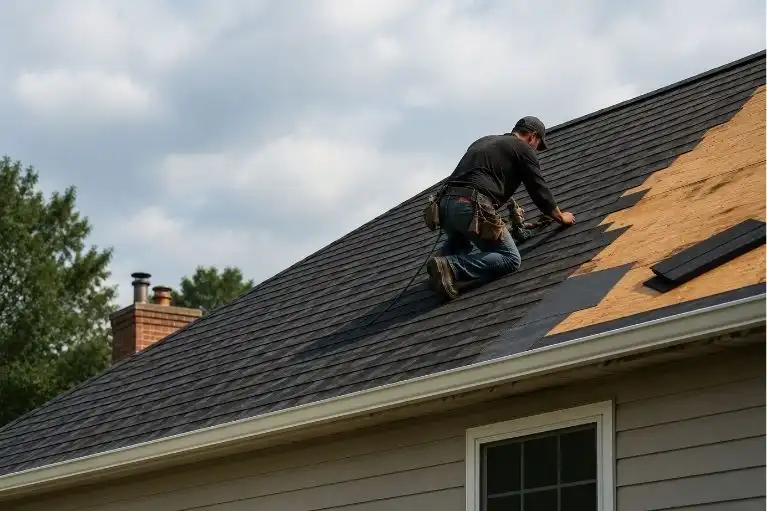
A GRP roofing system is often described as a fibreglass roof, and that is basically what it is. GRP stands for glass reinforced polyester, which sounds technical, yet in simple terms it is a mix of resin and strengthening matting that sets into a hard outer shell. It is mainly used on flat roof areas where people want something solid and long lasting rather than layered felt. You will usually see a GRP roof on garages, extensions, balconies or smaller domestic properties across the UK.
The way it works is fairly straightforward. The resin is laid over prepared decking, layered with fibreglass matting, then left to cure into one continuous surface. There are no loose sheets or exposed seams once it has set. That is why many homeowners see a GRP flat roof as a cleaner and more modern roofing system compared to older flat roofing materials.
How a GRP Flat Roof Is Installed
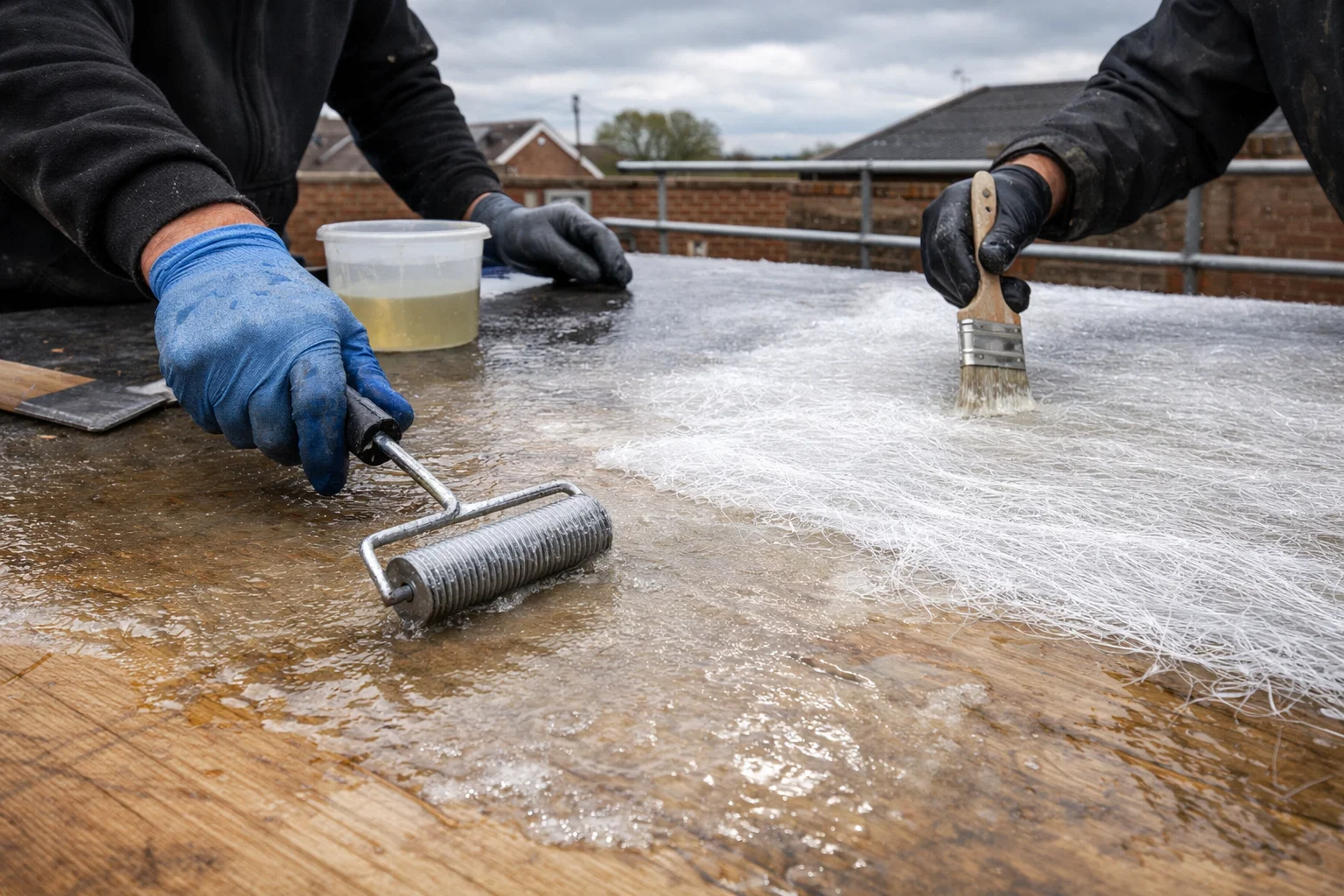
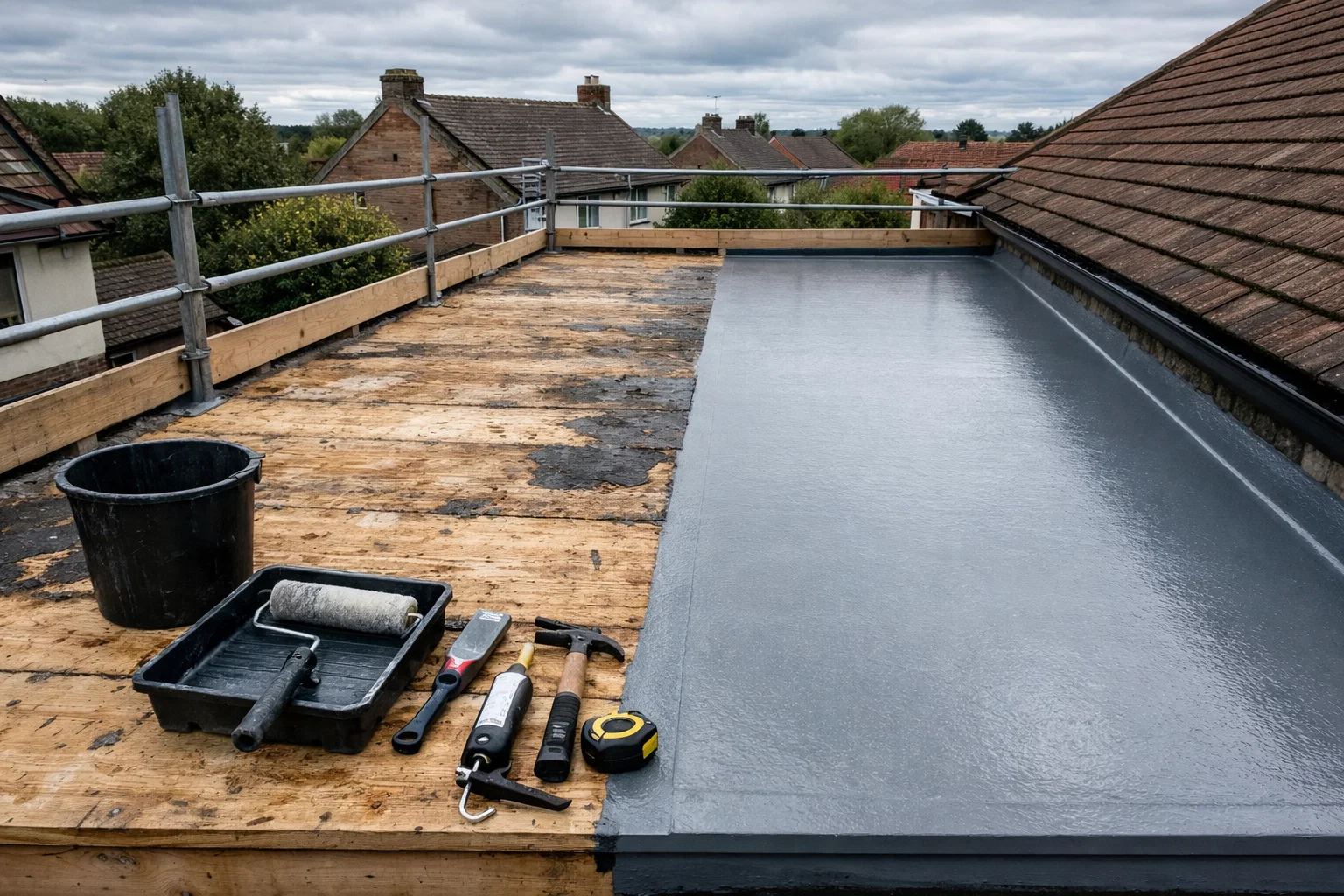
Fitting a GRP flat roof is not something that should feel rushed. The base has to be right first. Decking needs to be dry and secure, otherwise the rest of the system will never sit properly. Installers normally sort the edges and roof trims early on so everything has a clean line once the GRP roof is finished.
The fibreglass and resin are then worked across the flat roof in sections rather than all at once. It is hands-on work. The matting is pressed in, resin is rolled through it, and the mix begins to cure as it settles. Once hardened, a topcoat goes over the surface to seal it. When the installation is done well, the whole roof feels solid underfoot and forms a smooth, waterproof layer without obvious joins.
Why GRP Is a Popular Choice for Flat Roofs in the UK
GRP has become a popular choice for flat roof areas across the UK for one simple reason. It keeps water out. A properly installed GRP roof forms a completely waterproof surface once cured, which makes it well suited to the kind of heavy rain and mixed weather conditions we get here. Unlike some older flat roofing materials, there are no exposed seams that can slowly lift or split over time.
It is also a durable option. A GRP flat roof can handle foot traffic better than many people expect, which makes it useful for balconies or areas that need occasional access. The system can be moulded around different shapes, edges and details without too much difficulty. For smaller domestic properties, garages or extensions, it offers a clean finish that usually lasts a lot longer than cheaper flat roofing alternatives.
GRP Roof vs Other Flat Roofing Materials
When people look at replacing a flat roof, GRP usually gets compared with felt, bitumen or asphalt systems. Each option has its place, yet they behave differently over time. Traditional felt roofs rely on layered sheets, which means seams are always present. Those seams can weaken, especially after years of heat and cold working against them. A GRP roof, by contrast, cures into one continuous surface across the whole roof.
That does not mean every project automatically needs GRP. Some homeowners focus on price first and look for a cheaper solution. In certain cases, that works in the short term. However, replacing a flat roof more than once can quickly outweigh any early savings. A well installed fibreglass roof often lasts a lot longer than older materials, which makes it worth considering if long-term durability matters more than a lower starting cost.
What Affects the Cost of a GRP Roofing System?
The cost of a GRP roofing system depends on more than just the size of the flat roof. Access plays a part. So does the condition of the existing decking. If the base needs replacing before installation begins, that adds to the overall price. The complexity of the roof layout also matters. Simple square areas are quicker to install than roofs with multiple edges, trims or awkward shapes.
Another factor is whether the project involves a brand new roof or replacing an older covering. Removing worn materials and preparing the surface properly takes time, yet it protects the finished GRP system long term. Most homeowners in the UK look at value rather than just the starting figure. A slightly higher cost upfront can make sense if the roof lasts longer, needs fewer repairs and comes with a solid warranty from the installer or manufacturer.
Common Problems With Poorly Installed GRP Roofs
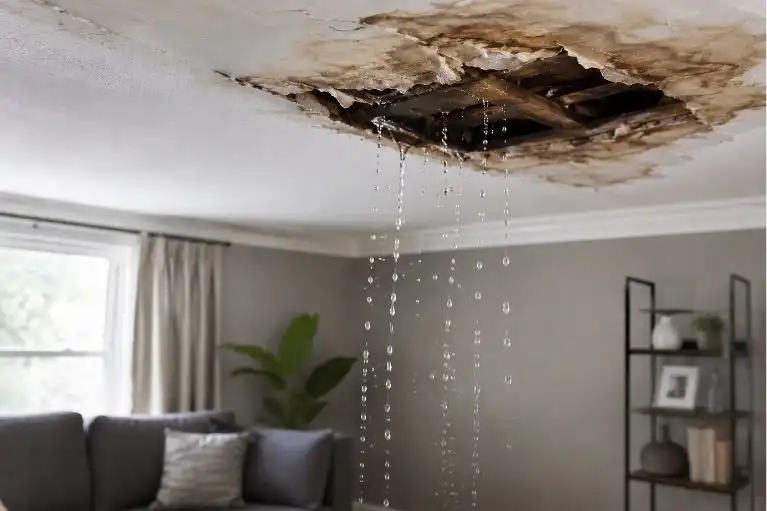
A GRP roof should feel solid once it has cured. When it does not, there is usually a reason. Small cracks can show up along edges. Soft spots sometimes appear where the resin was not worked through the matting properly. These issues rarely happen overnight. They tend to creep in slowly, then become obvious after a spell of hot weather or heavy rain.
Most of the time it comes back to preparation. If the decking was not completely dry, or the surface was not cleaned properly before installation, the bond can weaken. That is when leaks start to form beneath the surface rather than on top of it. Roof repair is possible in many cases, yet it is far easier when the GRP system has been installed with care from the beginning.
Is a GRP Roof Suitable for Your Property?
A GRP roof works well on many flat roof areas, yet it is not automatically the right fit for every property. It tends to suit garages, extensions and balconies where a clean, seamless finish is needed. Smaller domestic properties often benefit most, especially when the existing roof covering is reaching the end of its life. The key is making sure the base is in good condition before installation begins.
Insulation and overall layout also play a part. Some roofs have different elements that need careful detailing around edges or changes in level. A good installer will look at the whole roof rather than just the visible surface. If the structure is sound and the project is straightforward, a GRP roofing system can be a durable and low maintenance option that protects the property for many years.
Is a GRP Roofing System the Right Long Term Option?
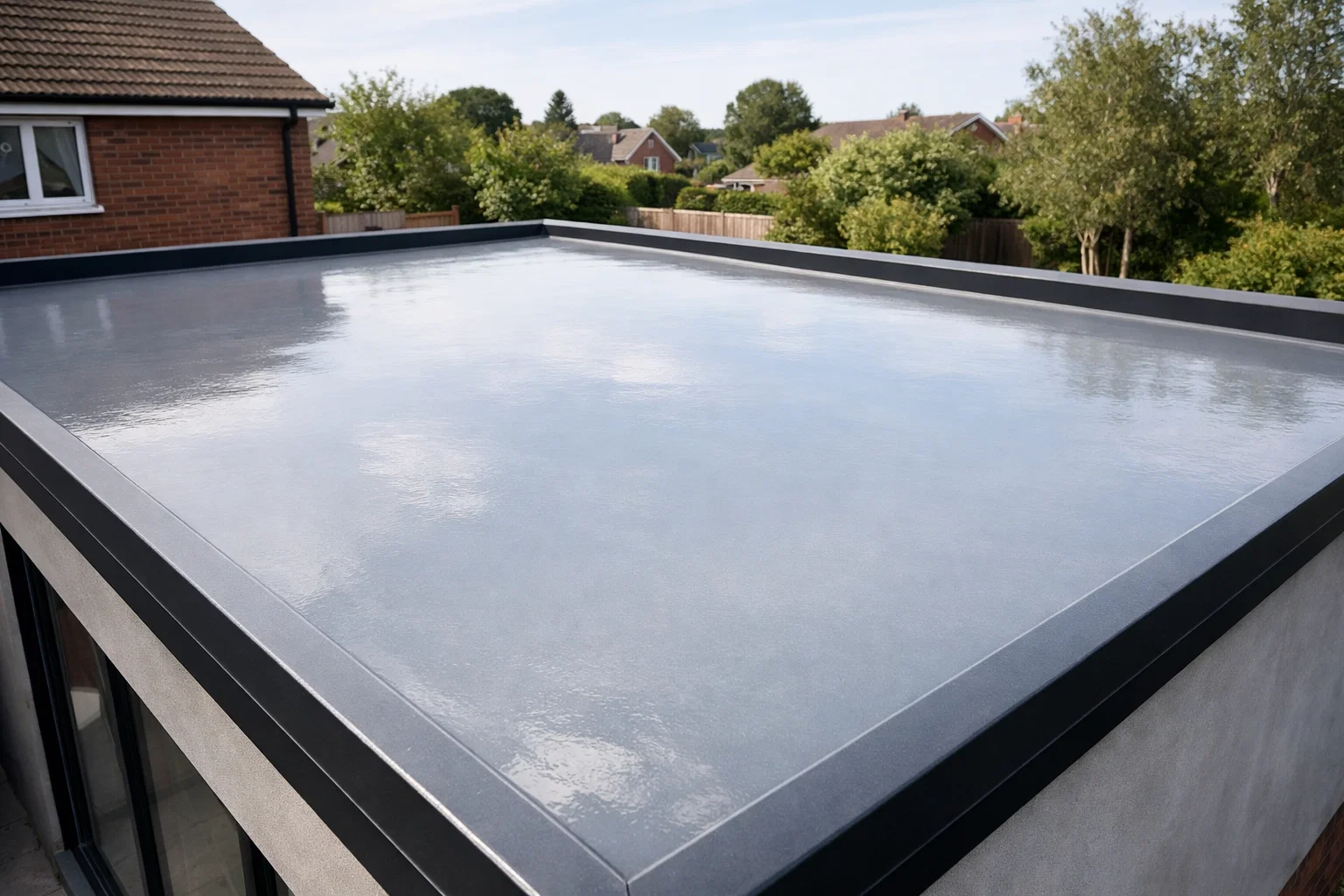
Choosing a GRP roofing system usually comes down to what you want from a flat roof. If the aim is a durable surface that cures into one complete layer and keeps water out reliably, GRP stands up well. It suits homeowners who would rather install once and avoid regular patch repairs. When fitted properly, the system can protect the whole roof for a lot longer than some cheaper alternatives.
That said, every property is different. The size of the roof, the condition of the decking, and the overall project budget all matter. A fibreglass roof offers strong value when it is installed carefully and maintained properly. For many properties across the UK, it remains a popular choice for a reason. The best approach is to weigh up the cost, expected lifespan and suitability before deciding whether a GRP roof is the right move.