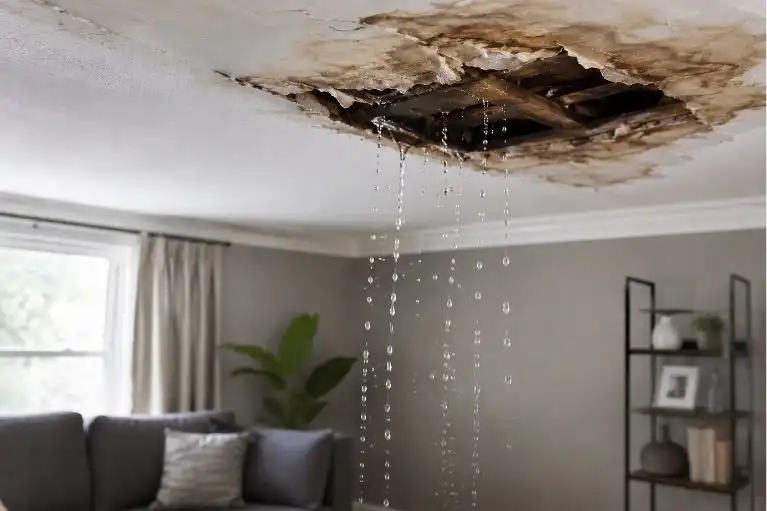
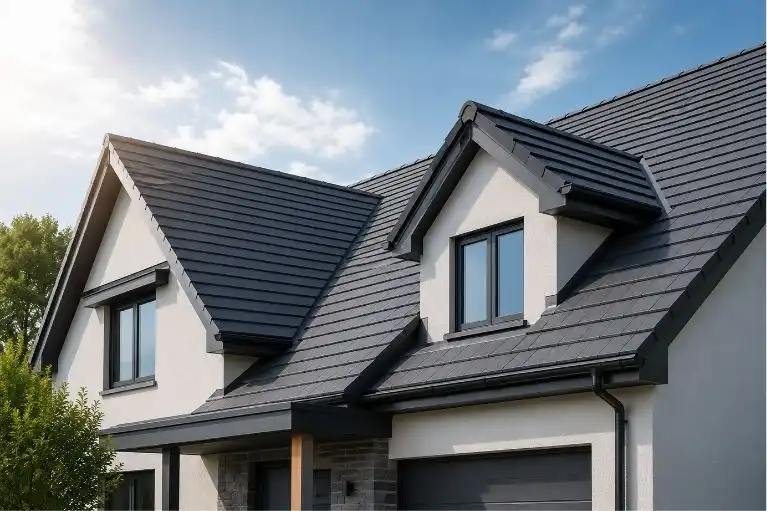
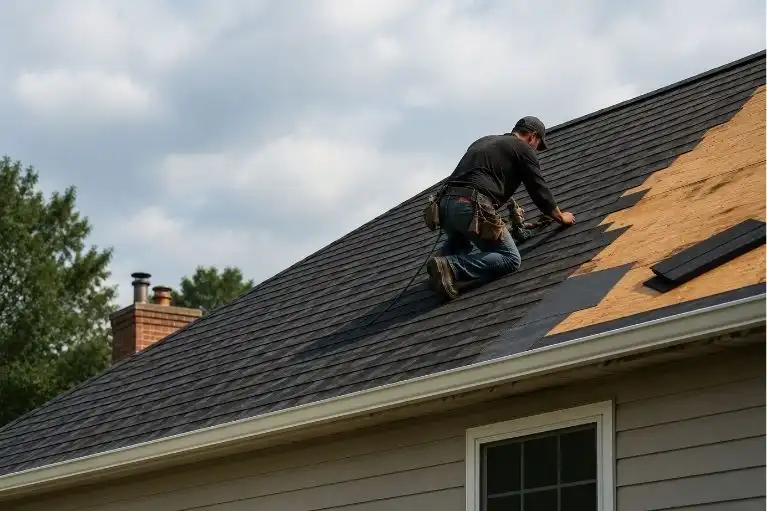
Choosing between slate vs tile roofing is a decision that can shape both the look and longevity of your home. These are two of the most traditional roofing materials in the UK, while they share some similarities, the differences are important when you’re considering a new roof. Many homeowners in 2026 are weighing up slate vs tile roofing not just in terms of cost, but also durability, environmental impact and long-term value.
The Enduring Appeal of Slate Roofing
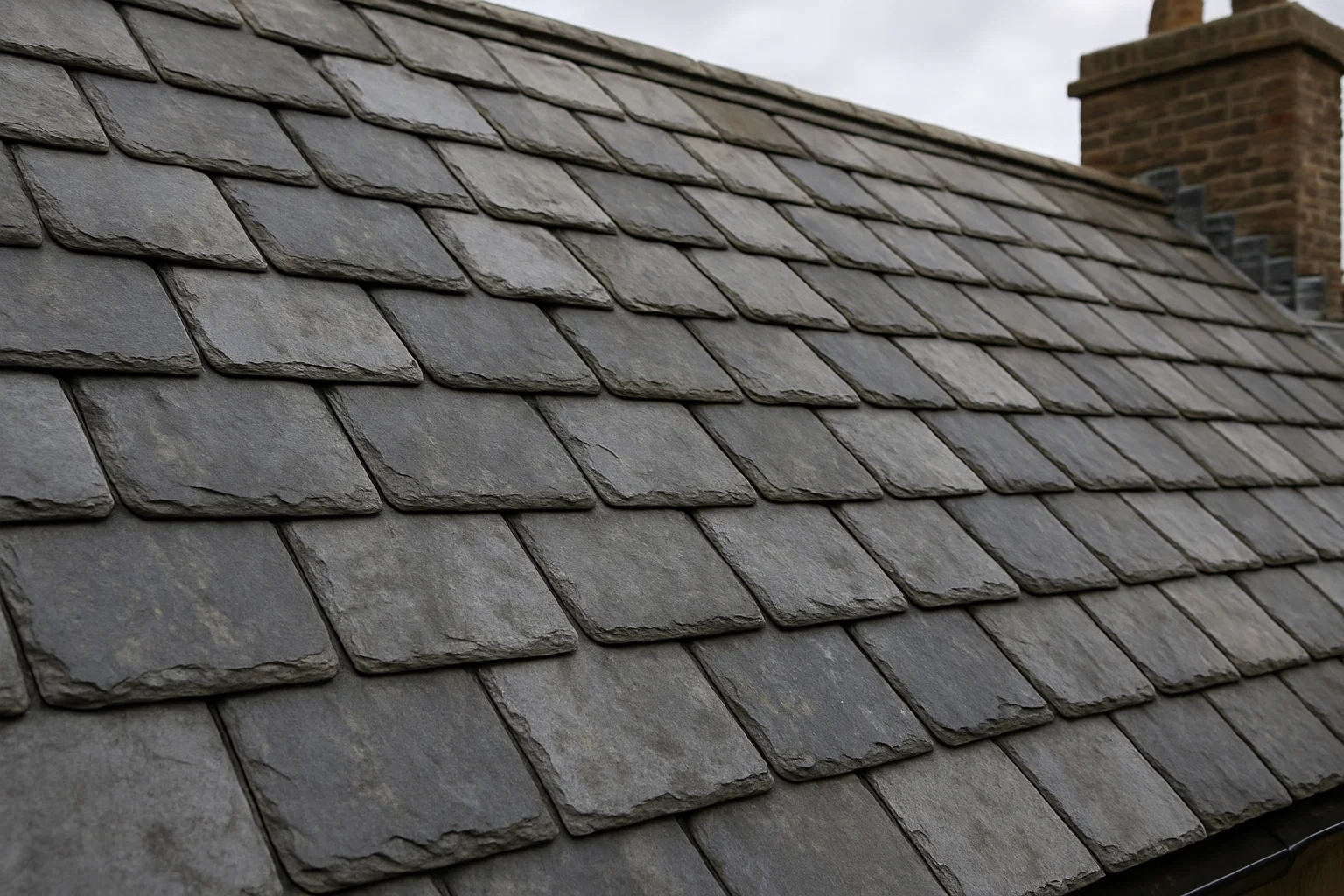
A slate roof has always been associated with quality and tradition. Made from natural slate, a metamorphic rock that has been quarried for centuries, it is considered one of the most durable materials for roofing. Welsh slate, in particular, is prized worldwide for its longevity and natural appearance. When laid correctly, slate roof tiles can last over 100 years, making them a great investment for homeowners who want a roof that will stand the test of time.
Slate tiles are not just about durability, they also bring elegance. The natural colour variations and texture give homes a distinctive look that many roof coverings cannot replicate. For heritage properties or homes in conservation areas, slate roofing remains the preferred choice. While it is often more expensive upfront, the long-term value makes it a cost effective solution, especially when compared with roofing materials that may need replacing sooner.
Why Tile Roofs Remain Popular
Tile roofs, whether clay roof tiles or concrete roof tiles, are the most widely used roof covering in the UK. They offer flexibility in design, with an extensive range of colours, textures and profiles available. Clay tiles provide a warm, traditional aesthetic while concrete roof tiles can deliver a clean, modern look. For homeowners seeking a balance between performance and affordability, tile roofs are often the practical choice.
Concrete tiles are particularly popular thanks to their availability and lower cost compared to slate. They are also easier to install, with fewer specialist tools required. While concrete is a heavier material, most pitched roofs built in recent decades are designed to accommodate this load. For properties where budget and choice of finish are priorities, tiles are difficult to overlook.
Comparing Costs
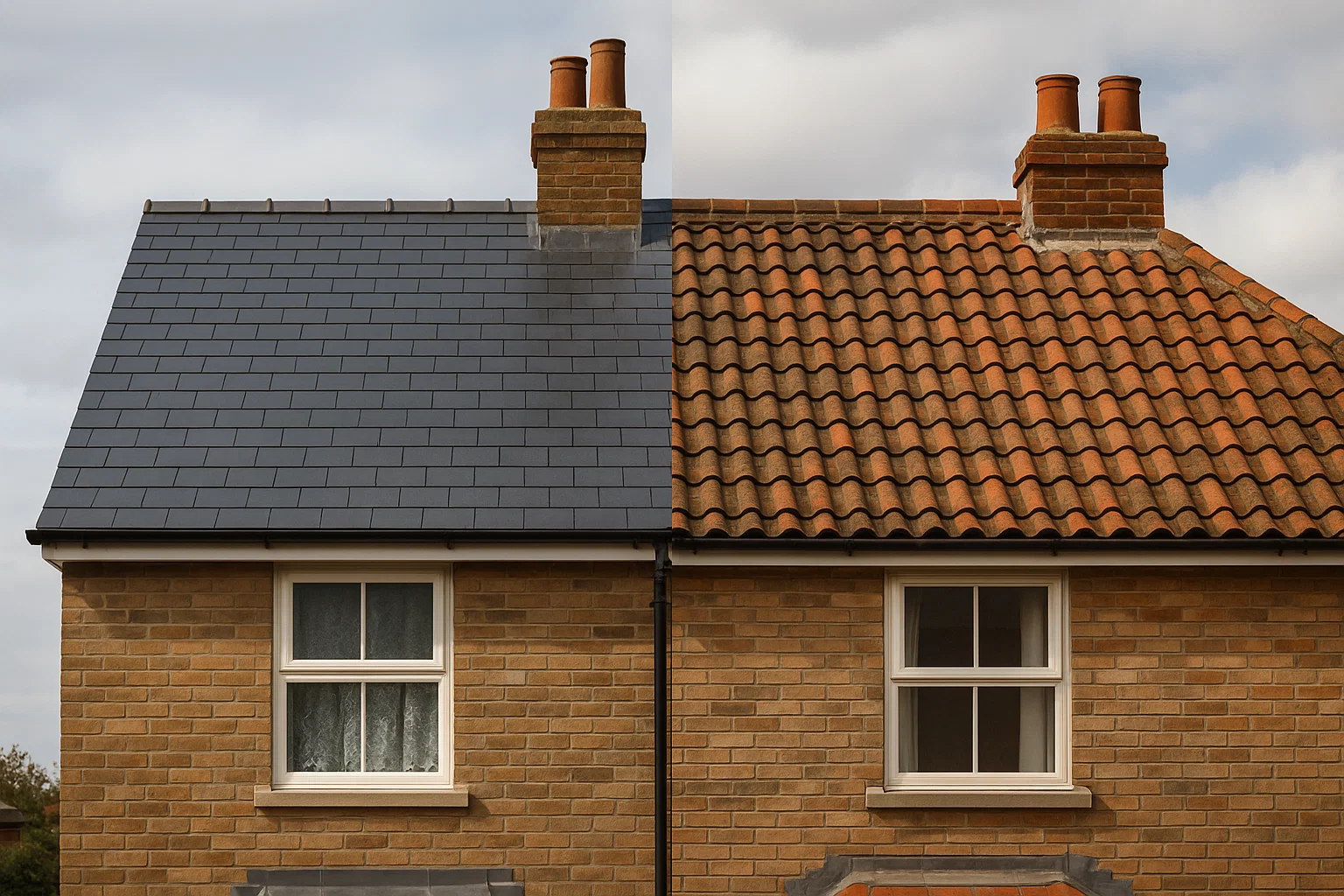
One of the main differences between slate and tile roofing lies in the cost. Slate is one of the more expensive roofing materials due to both the price of the natural material and the installation process, which requires skilled roofing contractors with experience in handling slates. Tile roofing, on the other hand, particularly concrete roof tiles, is more affordable and quicker to fit.
Although the upfront cost of slate is higher, many homeowners see it as a great investment. Over the course of a century, a slate roof may only need minimal maintenance compared to the replacement cycles required for tile roofs. For those planning to stay in their home for decades, the initial expense can be justified by the long-term savings.
Durability and Lifespan
Slate roofs are known for their exceptional durability. Natural slate is a durable material that resists insect damage, fire and severe weather. A properly maintained slate roof can last over a hundred years, with some examples in North Wales and across the UK still intact after far longer.
Tile roofs are also durable, though their lifespan is generally shorter. Clay roof tiles can last between 50 and 70 years, while concrete roof tiles typically offer around 40 to 60 years of performance. For many homeowners this is still more than adequate, especially if they are unlikely to remain in the same property for life.
Roof Pitch and Installation Considerations
The roof pitch often influences whether slate or tile is more suitable. Slate tiles work well on steeper pitched roofs where their flat, overlapping design ensures effective water runoff. Clay tiles also perform well on higher roof pitches, while concrete roof tiles are versatile enough for a range of applications.
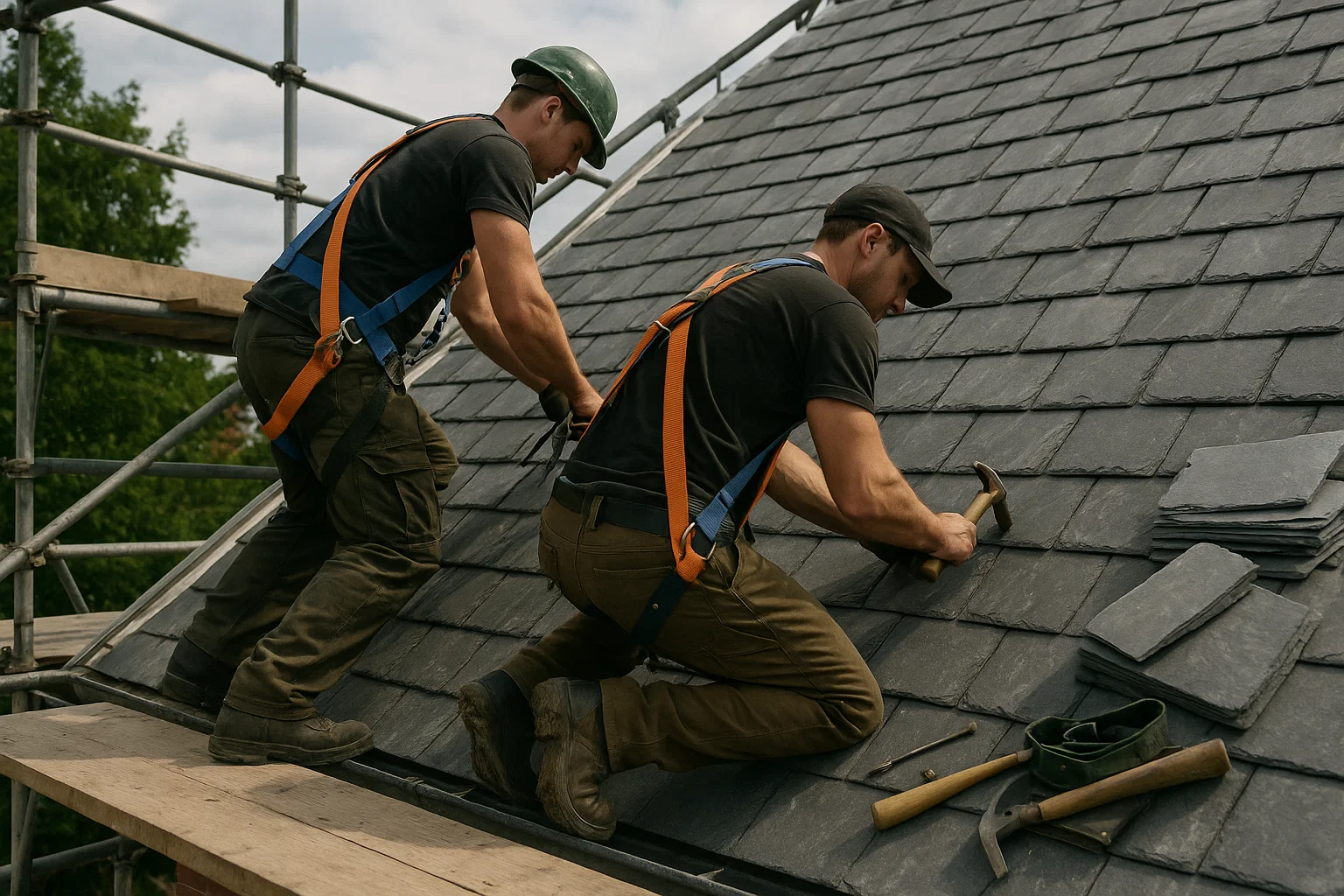
The installation process differs too. Laying a slate roof is a skilled trade, requiring specialist tools and techniques to fix each slate individually. This adds to the labour cost but ensures a precise finish. Tile roofing is faster to install, which can reduce overall project costs. Whether you choose slates or tiles, ensuring your existing roof structure is strong enough to carry the chosen roof covering is essential.
Aesthetics and Kerb Appeal
Both roofing materials can dramatically enhance the kerb appeal of a property. Slate offers timeless elegance, particularly suited to period homes and properties where natural material complements the overall design. Its colour variations give each roof a unique character.
Tiles provide more flexibility, whether you want clay roof tiles for a rustic look or concrete roof tiles in modern shades of grey, tiles allow for a tailored finish. Colour consistency is more easily achieved with manufactured tiles than with natural slate, which is why many homeowners opt for tiles when aiming for a uniform appearance across a new build development.
Environmental Considerations
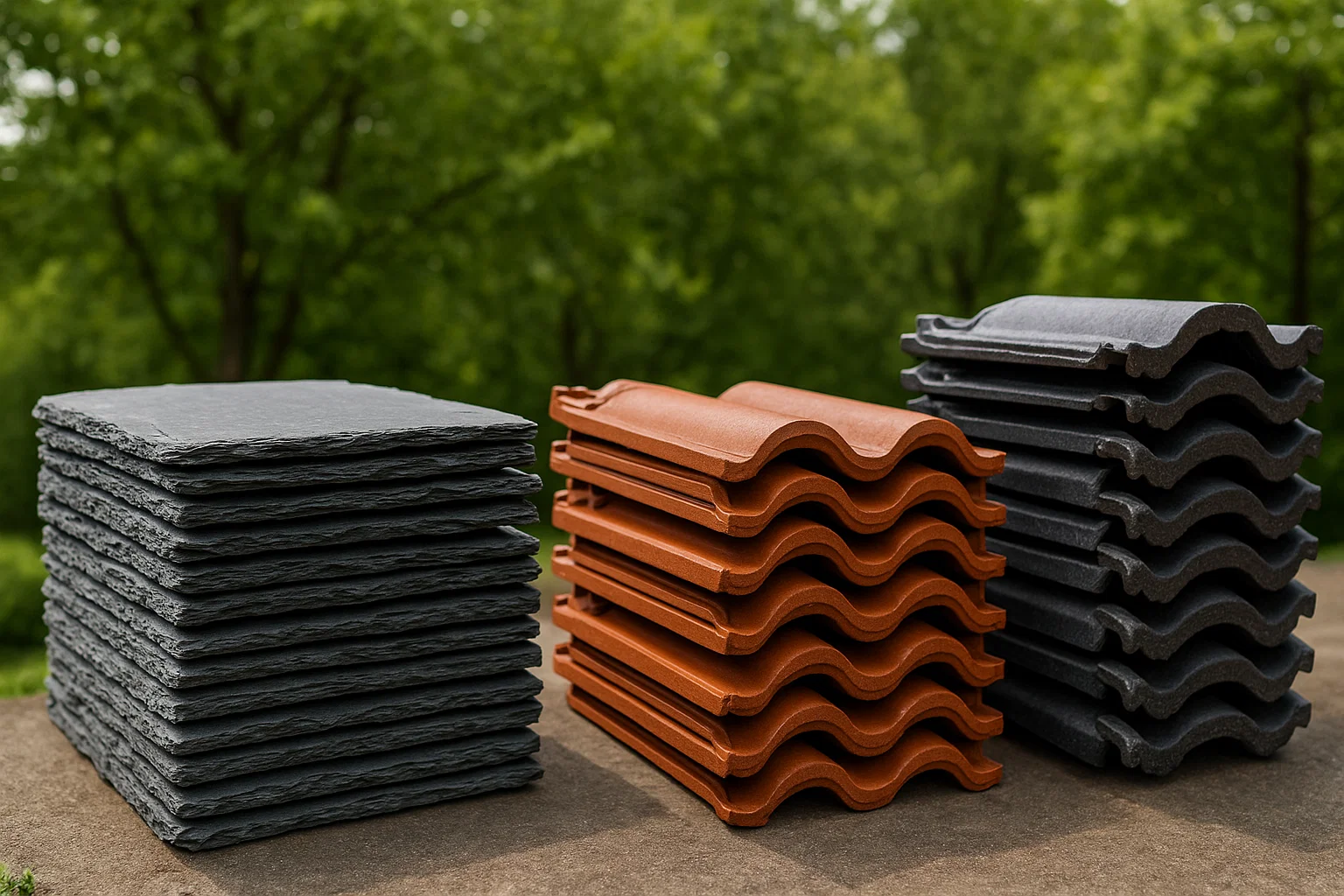
With sustainability at the forefront in 2026, many homeowners are asking about the carbon footprint of their roofing choices. Natural slate scores highly here, as it requires minimal processing and lasts for generations. This makes it one of the most environmentally friendly roofing materials.
Concrete roof tiles have a higher carbon footprint due to their manufacturing process, but they can be recycled at the end of their life. Clay roof tiles also hold value as a natural material and are often reclaimed from older roofs for reuse. For those focused on environmental impact, the choice between slate and tile depends on balancing production costs against expected lifespan.
How Other Roofing Services Play a Role
While the slate vs tile roof debate is central, other elements of a roofing system should not be overlooked. GRP roofing has become a popular choice for flat roof areas, extensions and garages. Known for being seamless and resistant to leaks, GRP is an alternative many homeowners are combining with slate or tile on pitched sections of the property.
Fascias and guttering also play a crucial role in protecting the roof edge, ensuring water is directed away from the structure. Neglecting these can shorten the life of both slate and tile roofs. Meanwhile, lead work is vital for valleys, chimneys and junctions, particularly in traditional properties. Whether your home has a slate roof or tile roof, professional lead work ensures weatherproofing and preserves the roof’s integrity.
Which Roof Should You Choose?
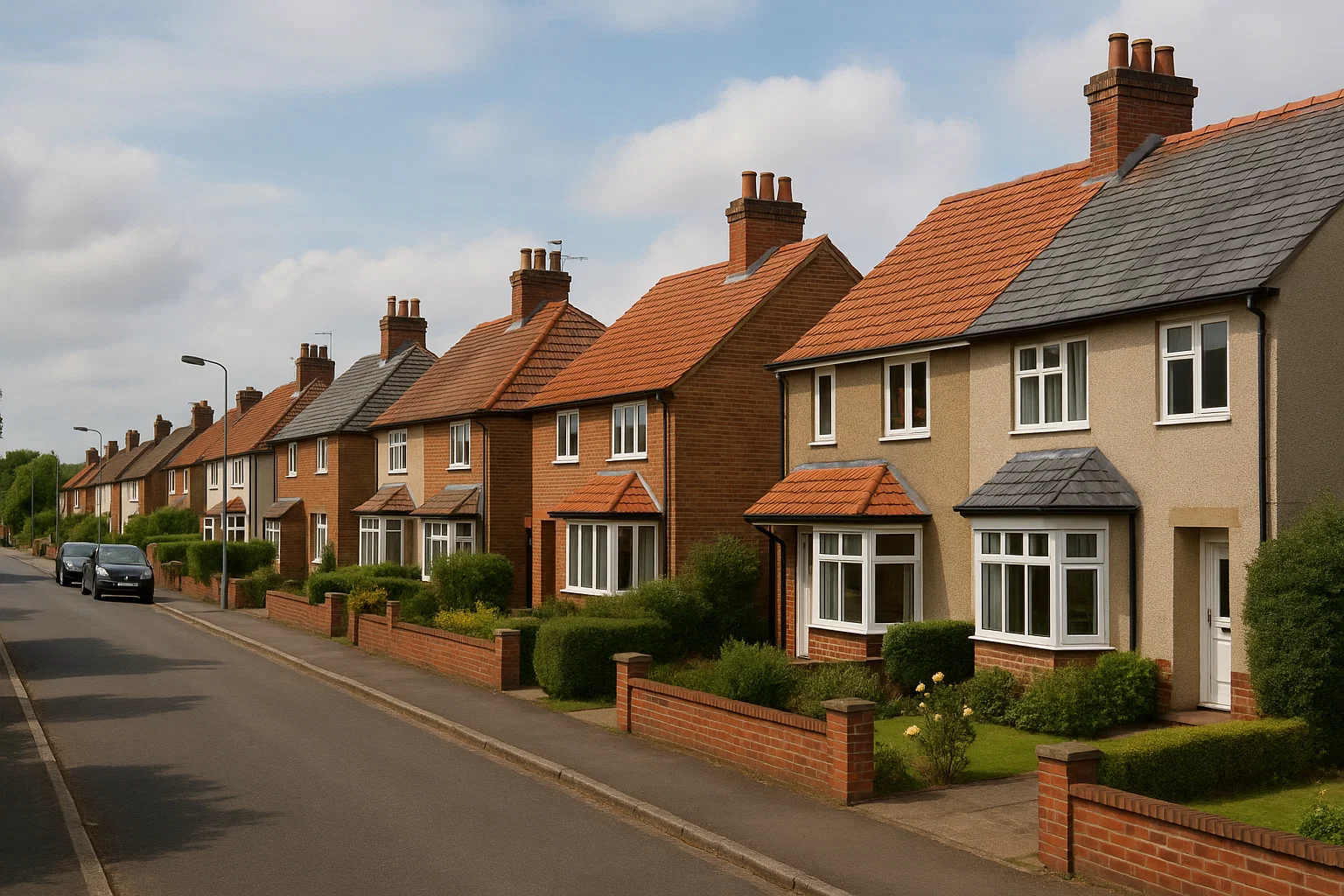
The choice between a slate roof and tile roof depends on your priorities. If you want prestige, durability and a roof that will last more than a lifetime, slate is the clear winner. If your focus is on affordability, a wide choice of finishes and a quicker installation process, tile roofing may be the better fit.
For many homeowners, the decision is influenced by property style. Slate roof tiles often suit heritage homes or those in conservation areas, while concrete roof tiles or clay roof tiles may be more appropriate for modern properties.
Whichever material you pick, regular maintenance plays a huge role in longevity, see our full homeowner’s guide. Residential Roof: A Homeowner’s Guide to Extending It’s Life
Why Choose Best Roofers ?
At Best Roofers , we work with all roofing materials, from natural slate to clay and concrete roof tiles. Our experienced team delivers roofs that not only look stunning but also provide long-term protection. We also specialise in GRP roofing, fascias and guttering, and lead work, ensuring every aspect of your roof covering is handled with precision.
We combine traditional skills with modern techniques to provide homeowners with roofs that are both durable and cost effective. Whether you need a completely new roof, a roof inspection or guidance on the best roofing material for your property, Best Roofers offers expert advice and professional installation.
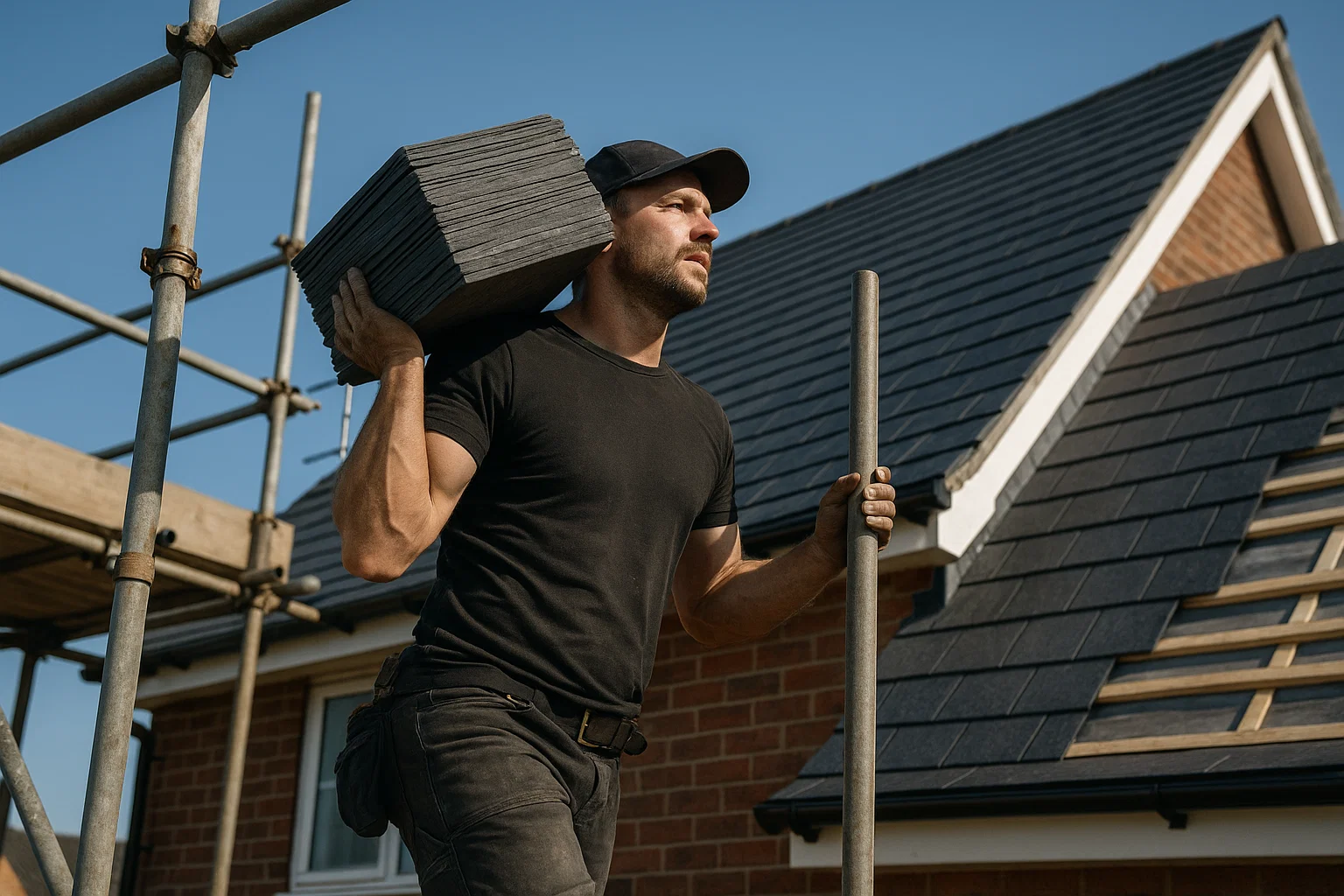
Looking to Upgrade Your Roof?
If you are weighing up slate vs tile roofing, or want to explore how GRP, fascias, guttering and lead work can complement your roof, Best Roofers are here to help. We provide tailored solutions for homeowners across the North West, ensuring every roof is built to last.
Contact our team today to arrange a consultation and discover which roofing material is right for your home in 2026.