If you’re planning a roof replacement or even a full re-roofing project, you might be wondering whether you need planning permission for a roof. The answer in the UK isn’t always straightforward. It depends on what kind of work you’re doing, the condition of your existing roof and where your home is located. For most homeowners, it’s essential to understand both planning permission and building regulations to avoid fines, delays, or costly changes further down the line.
Let’s break down what’s covered under permitted development, what requires approval and how you can stay on the right side of your local planning authority.
What Is Permitted Development?
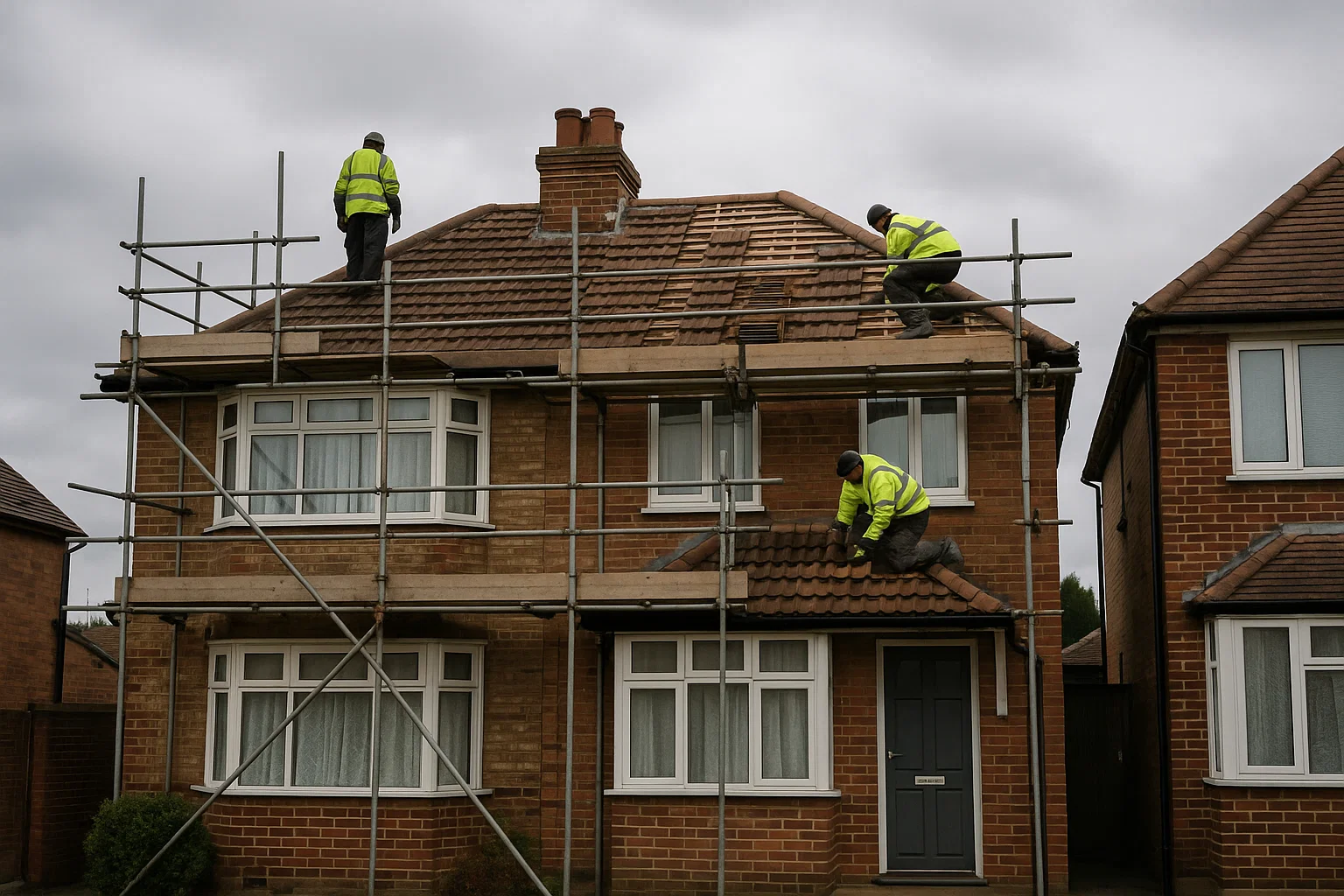
In many cases, homeowners don’t need to apply for roof planning permission. Minor repairs and like-for-like replacements usually fall under permitted development rights, meaning you can go ahead without a formal application. However these development rights only apply if your proposed development doesn’t significantly alter the shape, height, or roof slope of your property.
Simple tasks like replacing broken tiles or improving insulation are generally allowed without any red tape. However, if your new roof involves changing the existing roof slope, raising the ridge height, or installing structural elements like roof lights, it could require planning approval. Always check the latest development rules, what’s acceptable in one area might not be in another.
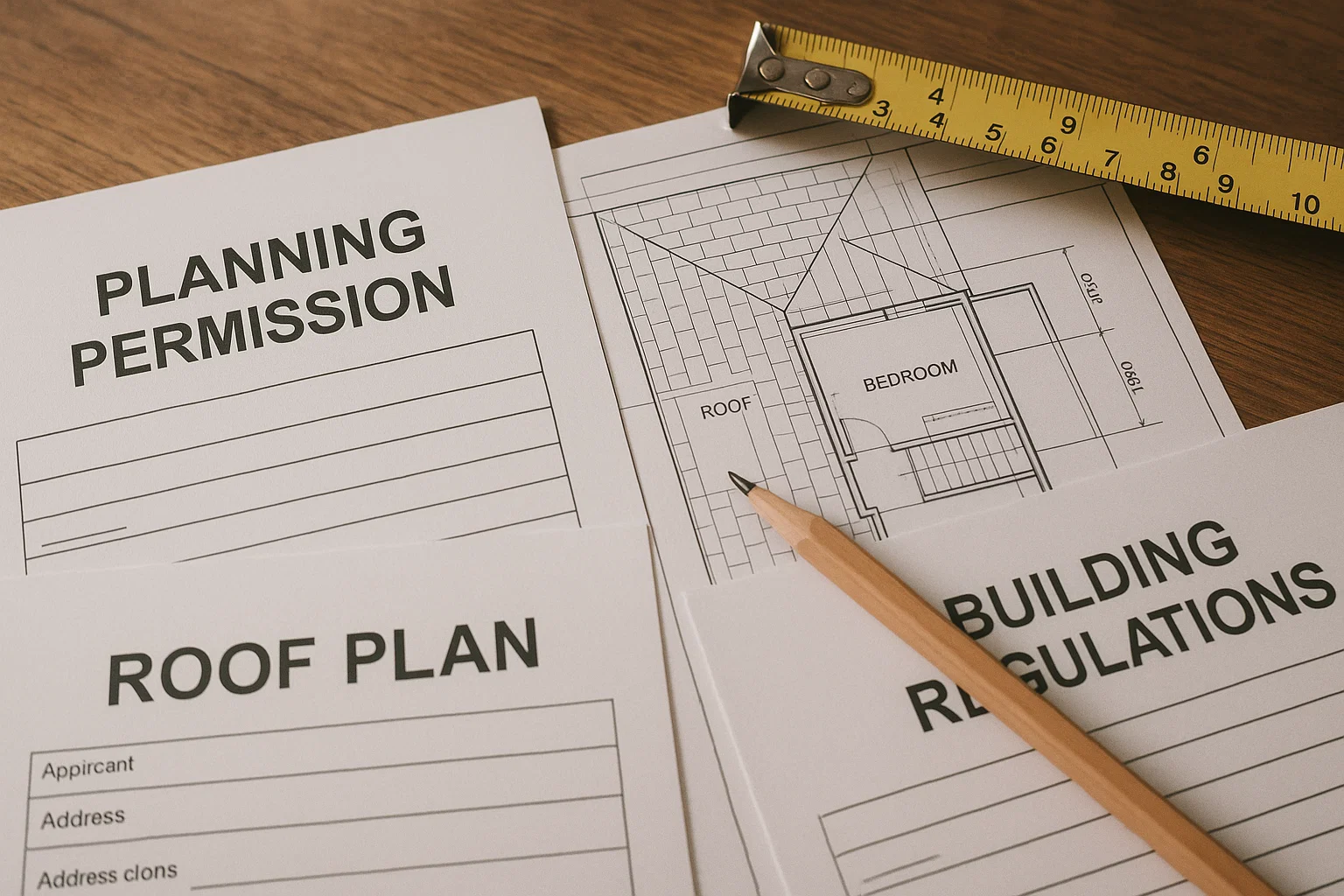
When Roof Changes Need Permission
If you’re changing from a pitched roof to a flat roof, or adding dormers, mansards, or large skylights, you might need full planning permission for a new roof. While these changes can dramatically increase natural light or loft space, they often affect the appearance and structure of your home enough to need oversight.
Properties in protected zones, such as areas of outstanding natural beauty or conservation areas, face stricter planning controls. Even a modest roofing material change could be rejected if it doesn’t match the character of the surrounding homes. Your local planning office will typically want to ensure that alterations respect the look and feel of the neighbourhood.
What About Building Regulations?
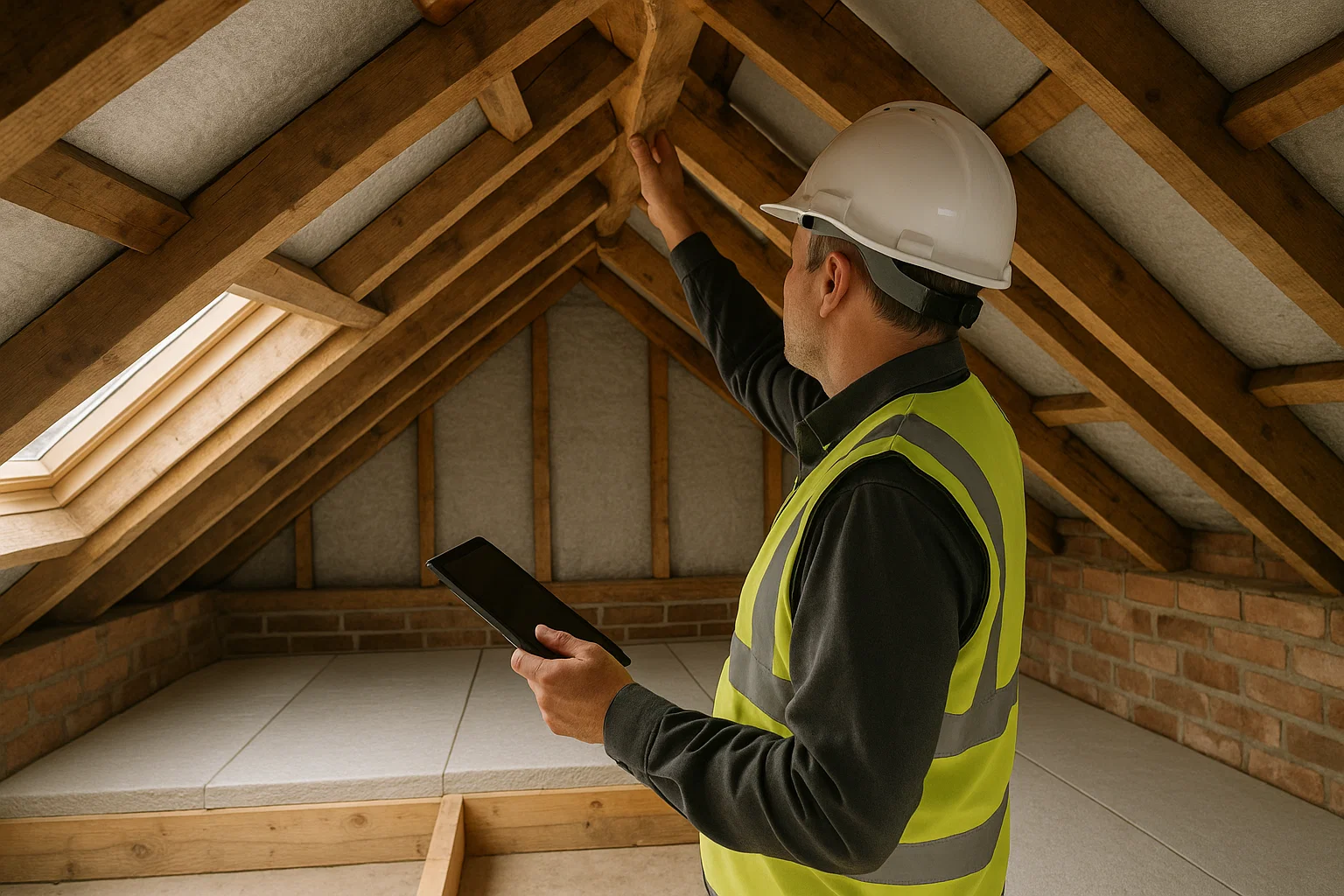
While planning permission deals with aesthetics and impact on the surrounding area, building regulations focus on the safety, structure and long-term stability of the work. Even if your project falls under permitted development rules, you might still need building regulations approval.
For example, if your project includes insulating the loft, altering joists, or adding new structural elements, the work must comply with building regulations. These rules ensure the existing roof can support any added weight, such as solar panels or dormers and that proper fire safety and ventilation standards are met. This applies to both flat roofs and pitched ones.
Flat Roofs vs Pitched Roofs: Any Differences?
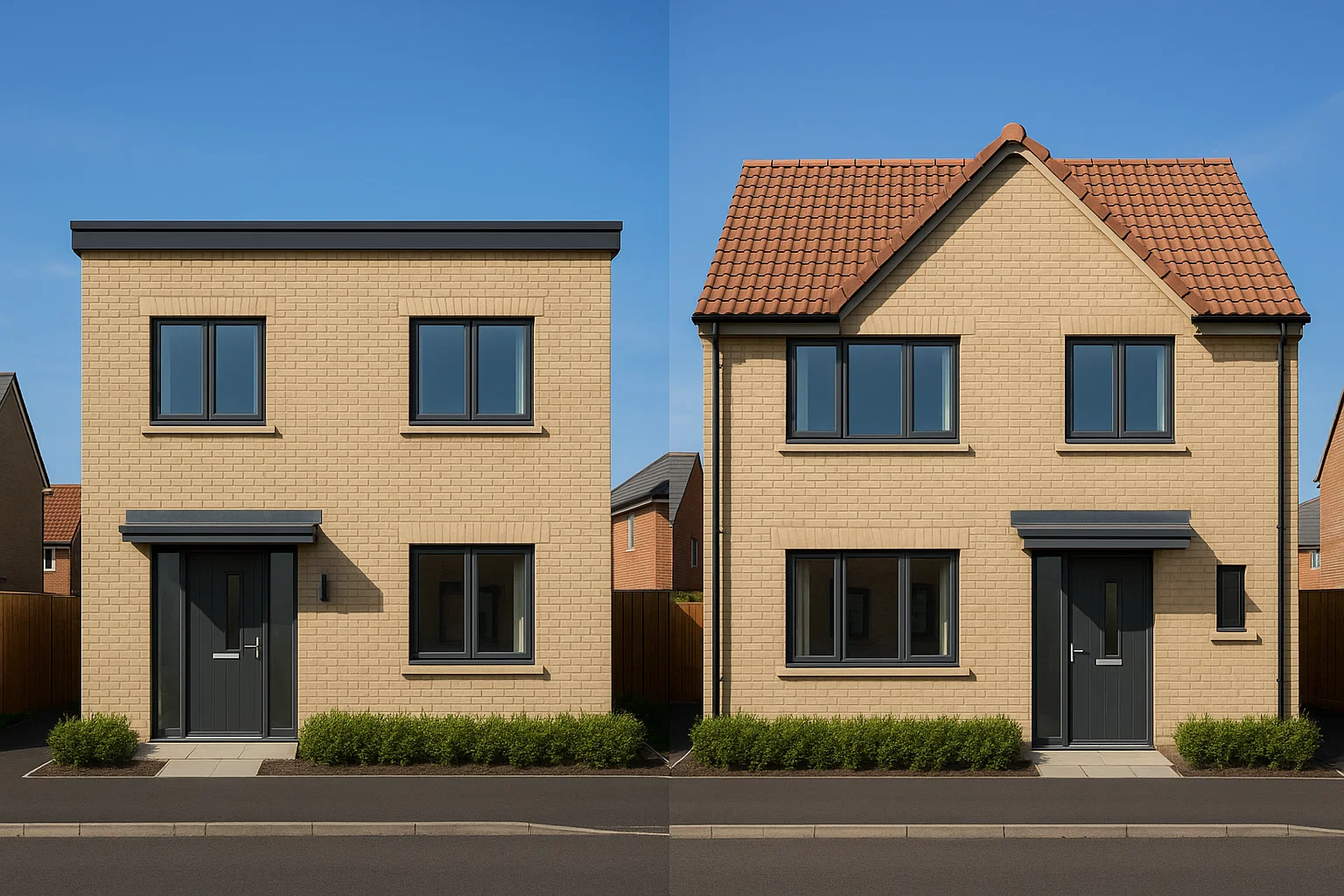
Yes, there are some differences between a pitched roof and a flat roof when it comes to planning. Flat roofs are common for single-storey extensions and garage conversions, as long as the height stays within set limits, they often fall under permitted development.
However, converting a flat roof into a pitched one or raising the height of an existing pitched roof could require formal approval. Changes that affect the existing roof slope, especially on the front elevation of your property, often trigger planning involvement. Don’t assume a change in shape is minor just because it’s at roof level.
Adding Roof Lights or Solar Panels
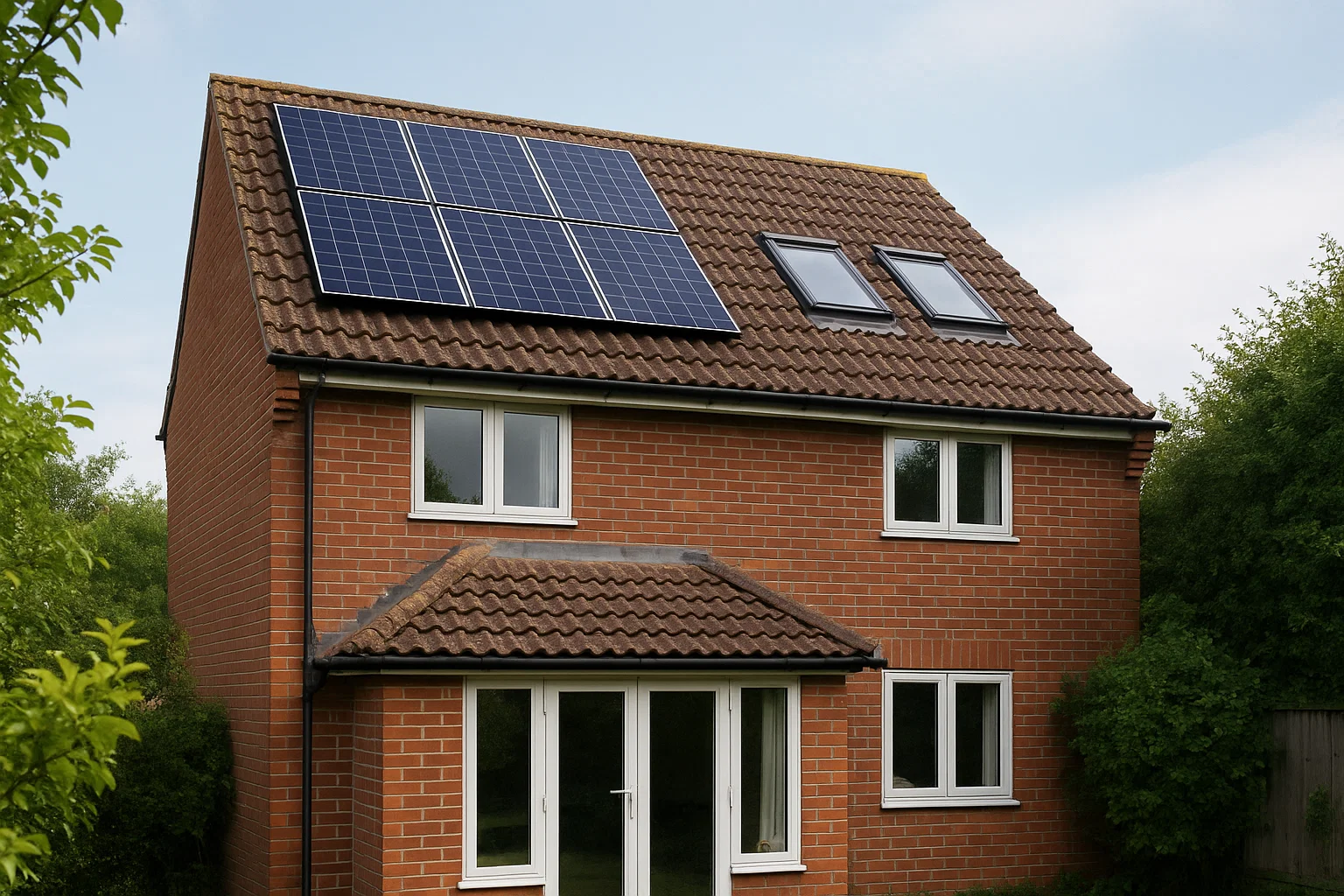
Homeowners love the idea of adding roof lights or solar panels, either to brighten a loft or improve energy performance. Luckily, these features are usually allowed under permitted development rights, provided they don’t project too far from the existing roof or sit too close to the edge.
That said, large installations, those on the front-facing slope, or units that significantly alter the silhouette of the home might need a closer look. Solar equipment designed to boost energy efficiency must still respect both building regulations and visual impact restrictions, especially in conservation zones.
What If You Live in a Protected Area?
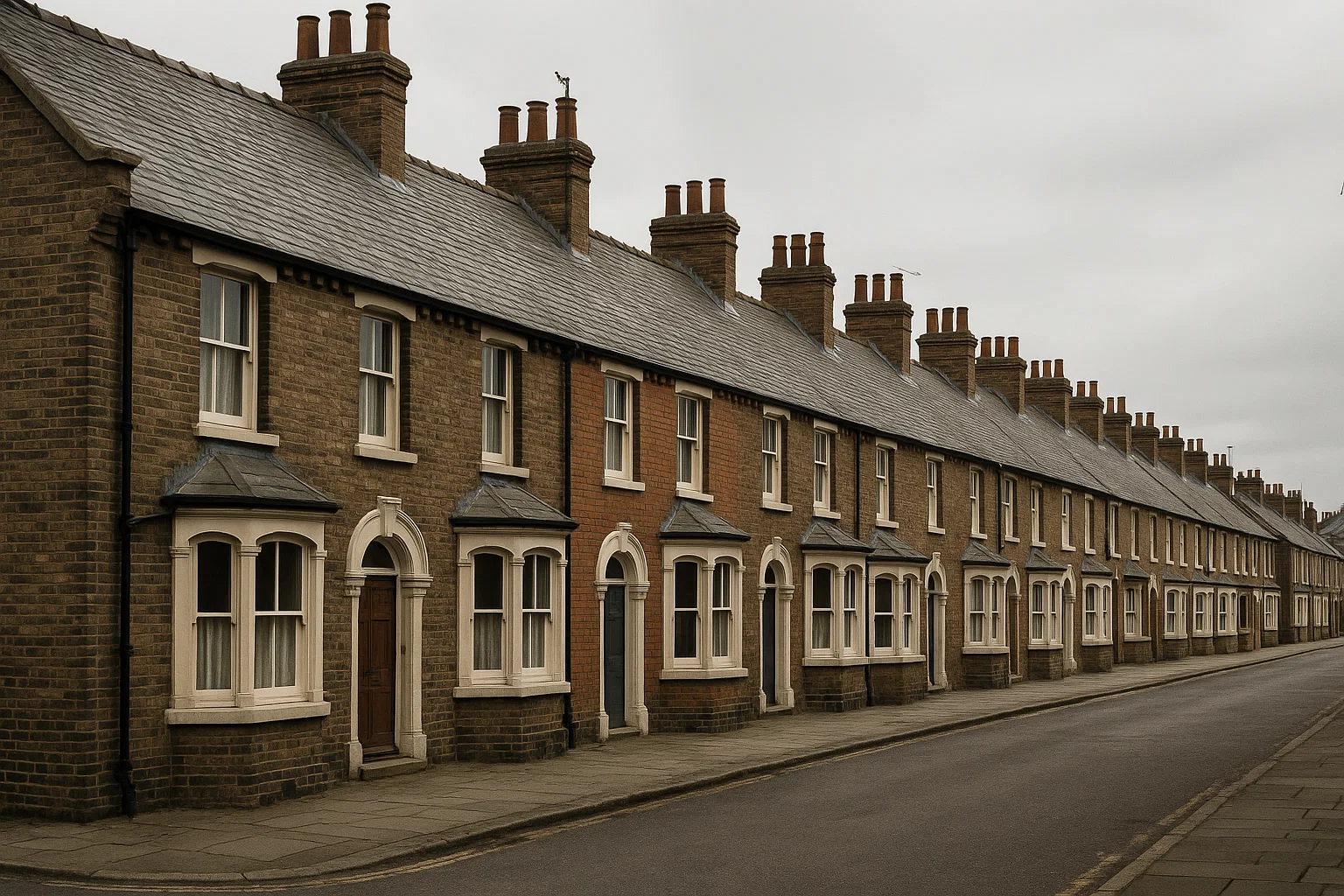
If your home is listed or located in an area of outstanding natural beauty, always assume you’ll need approval. Even replacing your roof with similar materials might require a nod from the council. Local rules can vary widely, but the general principle is to preserve historical or visual value. So if you’re planning to alter a pitched roof, install solar panels, or change visible finishes, don’t skip the application process.
How to Stay Compliant
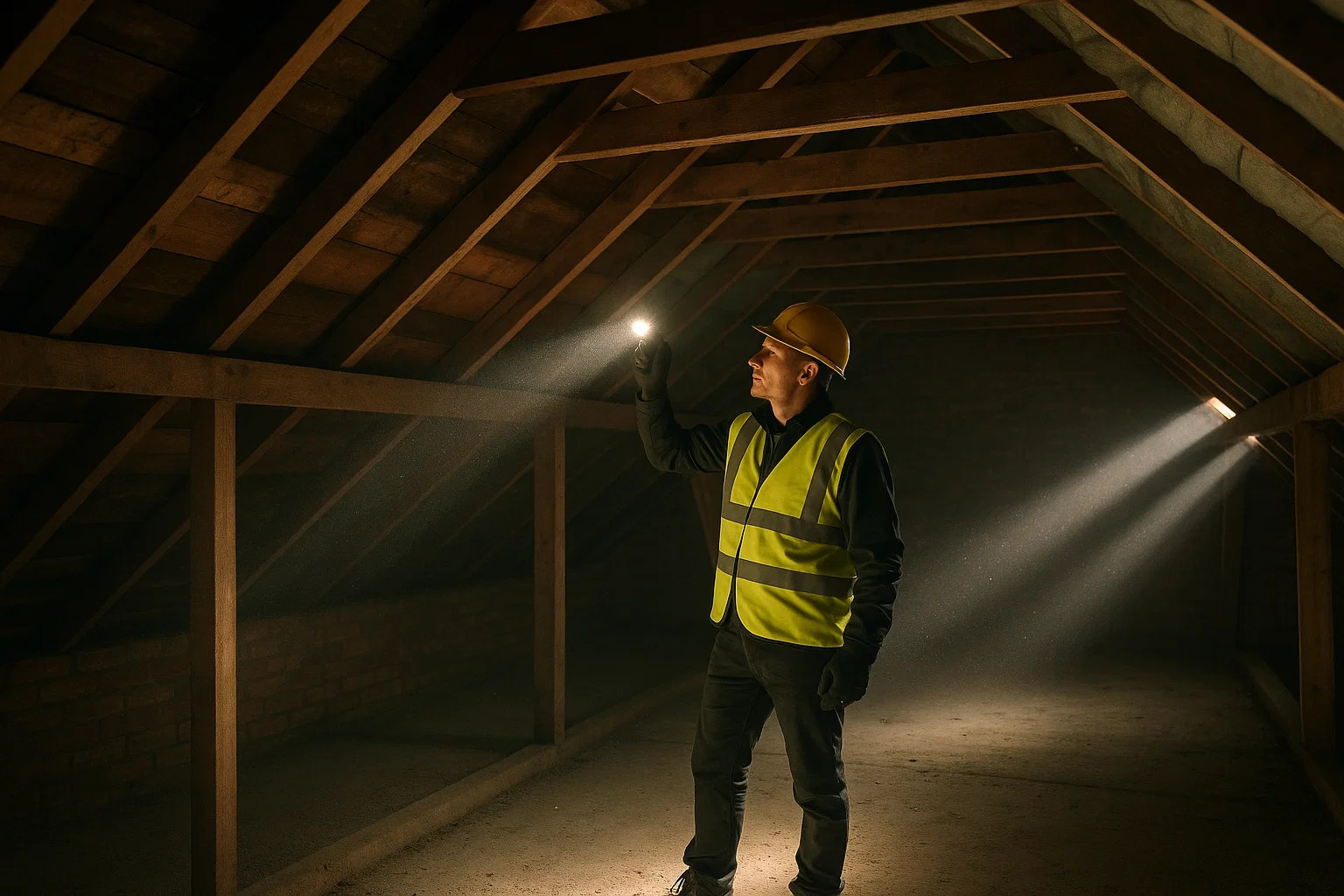
The easiest way to avoid costly mistakes is to speak to your local planning authority. Councils often have dedicated planning teams or online tools (like the Planning Portal) where you can check whether your proposed development is allowed.
If you’re confident your project falls under permitted development, consider applying for a Lawful Development Certificate. This isn’t mandatory, but it gives you written proof that your roof changes were legal, something that can be really useful if you decide to sell your home later.

Do I Need a Professional?
It’s often worth consulting a roofing contractor or architect with experience in local planning laws. A good professional will know whether your new roof requires full planning permission, falls under permitted development rights, or needs just building regulations approval.
If you’re installing modern features like roof lights, converting your loft space, or upgrading with solar panels, they can also help ensure that both the technical standards and visual requirements are met. This saves time, hassle and risk.
Simple upkeep can help you avoid major changes, here’s how to extend your roof’s lifespan. Residential Roof: A Homeowner’s Guide to Extending It’s Life
Roof Planning Permission
So, do you need planning permission for a roof? If your project sticks to the existing profile, materials and height, probably not. However, once you start changing the shape, adding dormers, or installing new systems like solar panels, the rules start to shift.
Always check with your local planning authority, and don’t forget about building regulations, compliance isn’t optional, even for permitted work. Whether you’re switching from a flat roof to a pitched one, adding insulation, or upgrading to improve energy efficiency, it pays to do things by the book. That way, your home stays safe, legal and ready for whatever the weather throws at it.