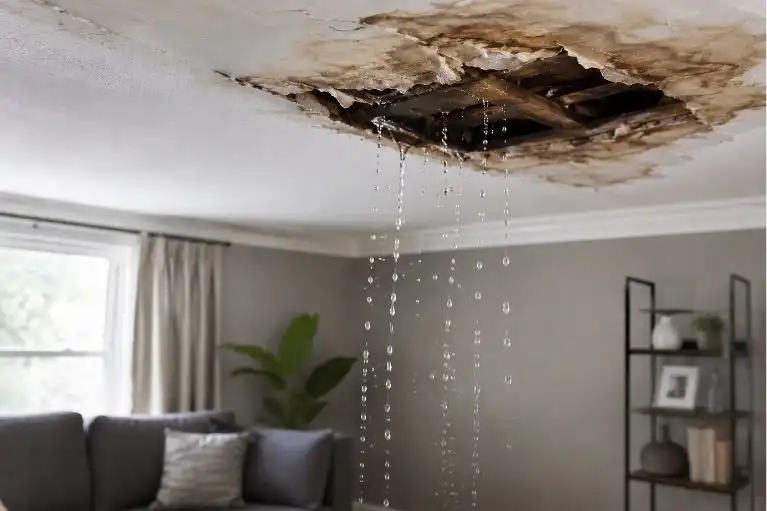
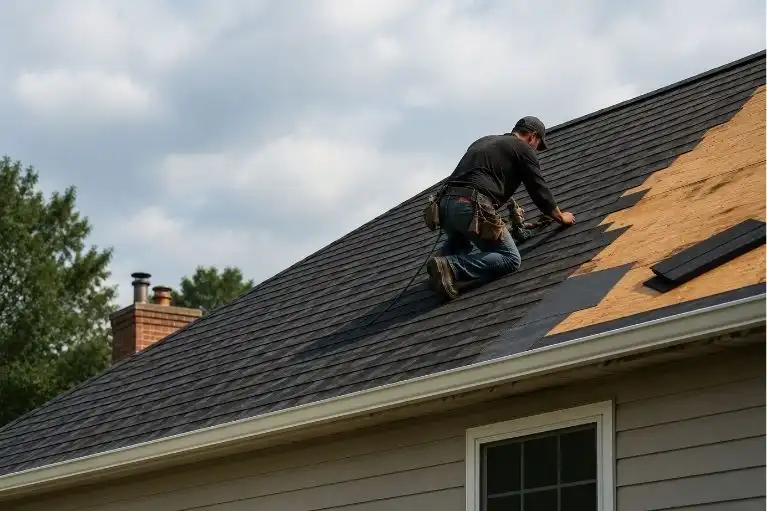
Most people don’t think about a roof replacement until something starts showing up. It might be a leak after heavy rain, a few roof tiles slipping out of place, or damp patches that don’t quite make sense. That’s usually when the question comes up, is this just a repair job, or is the roof on its way out?
It’s not always obvious. Some roofs will carry on just fine with a bit of work here and there, while others are already past the point where repairs really make sense. A lot depends on the condition of the existing roof and how long it’s been there. Once you understand that, it becomes a lot easier to figure out what the right move is without guessing.
When Does a Roof Need Replacing?
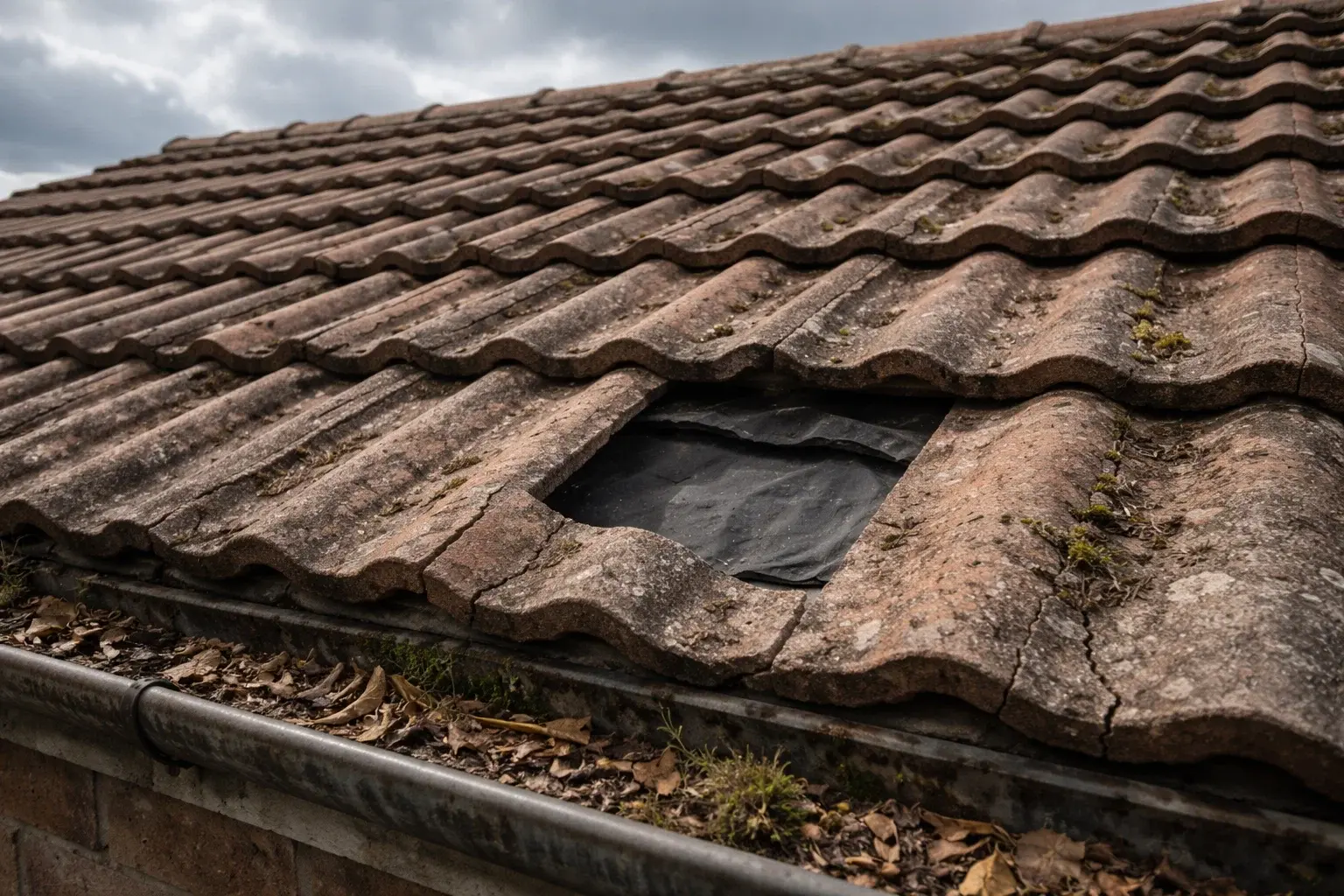
There is not really a single moment where you can say a roof needs replacing. It’s usually a case of things adding up over time. You might notice a cracked tile, then later on a missing one, then maybe a bit of water getting in. At first it just feels like small jobs.
The problem is, those small issues don’t always stay small. The existing roof can still look fine from the outside, but underneath it might be starting to give way. Once that happens, repairs don’t always last like they should. That’s when replacing the roof becomes less of a big decision and more of the obvious next step.
Signs Your Roof Is Starting to Fail
You can usually tell when a roof isn’t quite right anymore. It might just be a couple of cracked tiles to start with, or a missing tile after a bit of wind. Sometimes it’s just bits showing up in the gutter and you’re not even sure where they’ve come from.
Then you start noticing things inside. Marks on the ceiling, maybe a damp patch that wasn’t there before. It doesn’t always look serious straight away, which is why people leave it. The issue is, once water is getting in, it doesn’t really stay in one place. That’s when it starts turning into something bigger than just a small repair.
Roof Repair vs Roof Replacement: What’s the Right Option?
This is where it usually gets a bit unclear. You spot something wrong and the first instinct is to repair it. Most people do that, especially if it doesn’t look like a big issue at the time.
Then you fix it, and for a while it’s fine. But sometimes it doesn’t stay that way. Another issue shows up, maybe in a different spot. It’s not always obvious straight away what that means, but it can be a sign the roof itself is starting to give up rather than just one area needing attention.
Why Some Roof Repairs Don’t Last
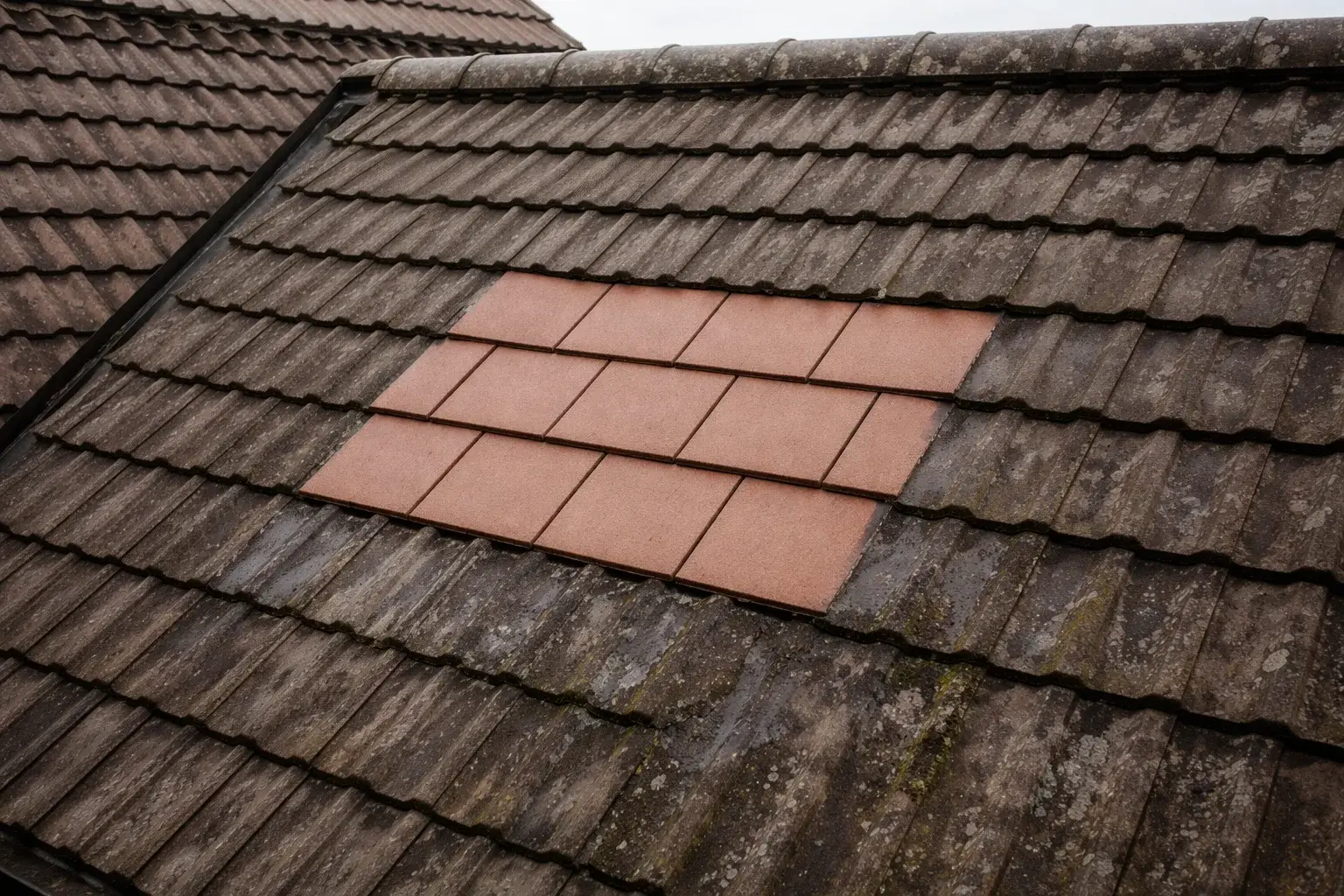
You can have a roof repaired and still end up dealing with it again not long after. It’s more common than people think. Something gets fixed, it settles for a bit, then another issue shows up somewhere else. This is especially common with flashings, a lead roof repair that’s been patched rather than done properly will often fail again within a season.
It’s not always down to the repair itself. Sometimes it’s just the state of the roof overall. If parts of it are already worn out, fixing one area doesn’t really stop the rest from going the same way. That’s when it starts to feel like you’re just going round in circles with it.
What Weather Does to a Roof Over Time
Roofs take a lot more from the weather than people realise. It’s not just the big storms either. It’s the constant exposure. Rain, wind, cold, then back to rain again. Over time it all adds up.
You’ll often see it after a stretch of rough weather. A tile shifts slightly, water finds its way in, then it just sits there. High winds don’t help either, especially on older roofs or ones that have already had a bit of work done. It doesn’t always show straight away, but that’s usually how problems start building in the background.
Does Roof Type Change the Decision?
The type of roof you’ve got does make a difference. A pitched roof will usually hold up differently to flat roofs, and the way problems show up isn’t always the same. Some issues are easier to spot, others take a bit longer before you notice anything.
It can also come down to how the roof’s been built and what it’s made from. A sloping roof with tiles might deal with wear over time better than something flatter that holds water. That doesn’t mean one is better than the other, it just means the decision between repair and roof replacement can look slightly different depending on the roof itself.

Older Homes vs Newer Roofs
Roofs on older buildings can be a bit different to deal with. You’ll often see things like slate or clay tiles that have been there a long time. Sometimes they hold up well, other times they start to go in patches rather than just one small area.
Newer roofs are a bit easier to read, but they’re not perfect either. Things still wear down, especially with the weather we get. The difference is you tend to notice issues sooner, which can make it a bit clearer whether it’s worth repairing or if it’s heading towards a full roof replacement.
How Different Roofing Materials Affect Lifespan
Not all roofs wear out in the same way. A lot depends on the roofing material that’s been used. Some will hold up for years with very little trouble, others start to show signs much earlier, especially with the kind of weather we get.
You’ll see it across different roof types. Concrete tiles and clay tiles tend to age differently, natural slate can last a long time if it’s been fitted properly, while flat roofs often need a bit more attention over time. It’s one of those things where the material itself plays a big part in whether a roof repair is enough or if a full roof replacement starts to make more sense.
What Happens During a Roof Replacement?
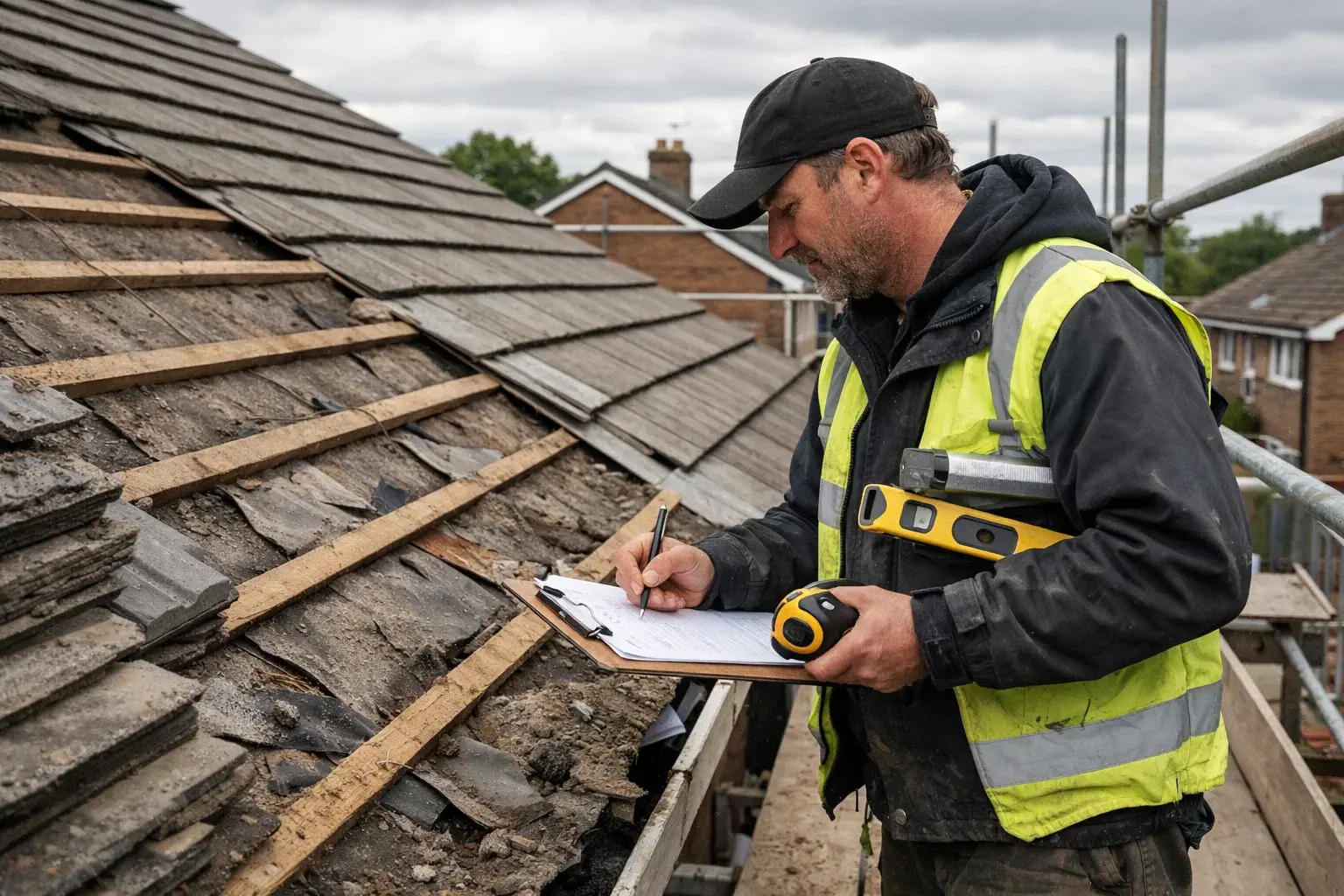
A full roof replacement sounds like a big job. It is, but it’s not as complicated as people think. The existing roof comes off first. Old tiles, bits underneath, anything that’s been there a long time.
Once it’s opened up, you get a proper look at it. Sometimes it’s all fine underneath. Other times there are a few things that need sorting. You wouldn’t know from the outside. After that, it just gets built back up again with new roofing material until it’s all back in place.
Building Regulations and Planning Permission Explained
This is one of those things people don’t really think about at first. You’re more focused on the roof itself, not paperwork. Then it comes up later on and catches people off guard a bit.
Most of the time, it’s not about planning permission. It’s more to do with building regulations and making sure the work’s been done properly. If a big part of the roof is being replaced, someone usually needs to check it over or sign it off. It’s fairly standard, just one of those parts of the job that sits in the background but still needs doing.
Improving Performance with a New Roof
A new roof does more than just deal with problems. Once everything is replaced properly, you tend to notice the difference inside as well. Rooms feel a bit more stable temperature-wise, especially when the weather turns.
It usually comes down to how everything is put back together. Things like insulation upgrades during roof installation and how the roof is sealed make a difference over time. You might not think about it straight away, but it can help with heat loss and take a bit of pressure off your energy bills without you really noticing day to day.
Why Acting Early Can Save Bigger Problems
A lot of roof issues don’t start off as anything major. It’s usually something small that gets ignored for a while. A loose tile, a bit of water getting in, nothing that feels urgent at the time.
The problem is, it rarely stays like that. Once water starts getting into the roof, it can spread into areas you can’t see. That’s when you end up dealing with more than just the surface. Acting earlier tends to keep it simpler, rather than letting it turn into something that affects the whole roof.
Getting Your Roof Checked by a Professional Roofing Contractor
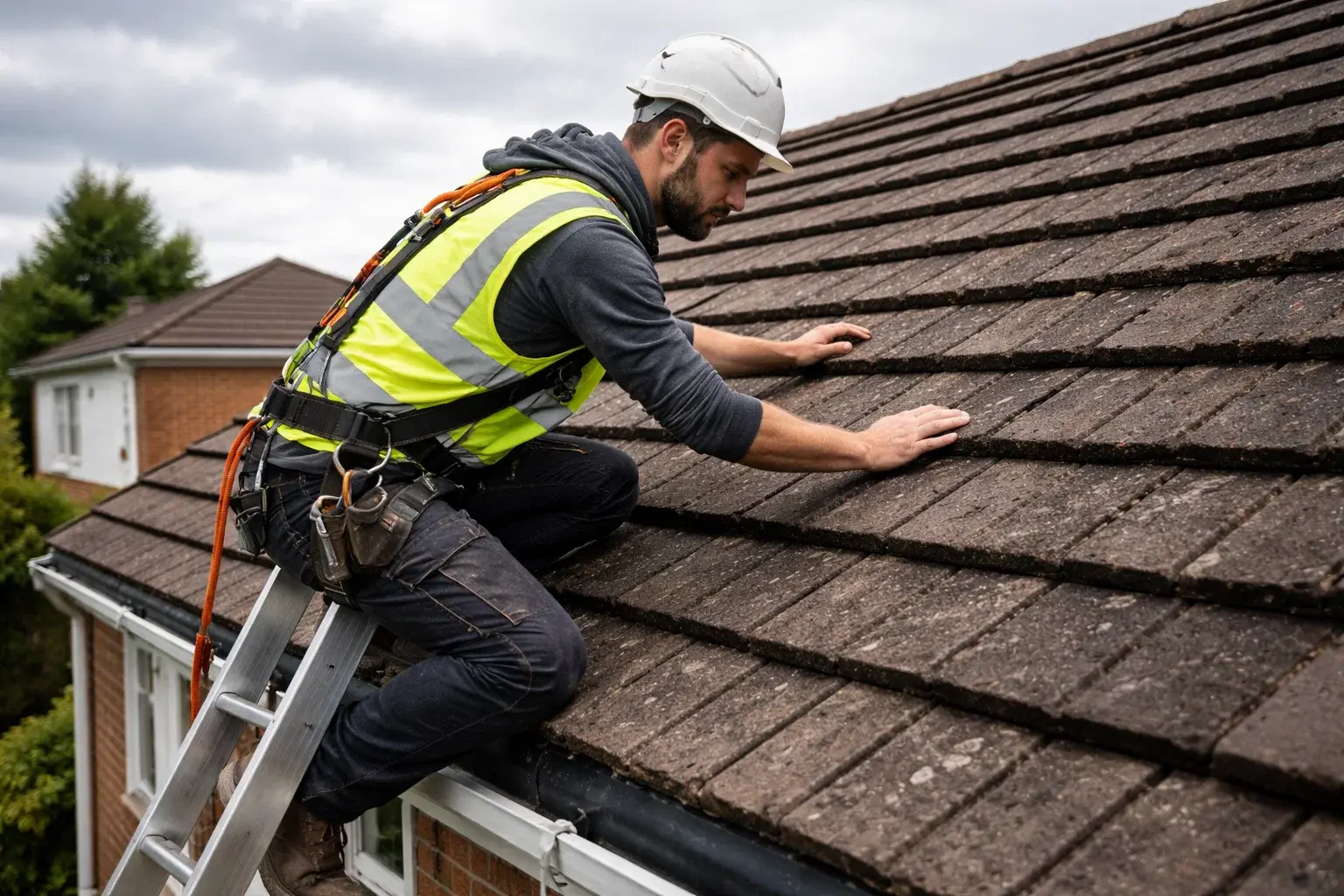
If you’re not sure what’s going on with your roof, it’s usually easier just to get someone out. From the ground it can look alright. That doesn’t really tell you much though.
Someone who’s on roofs all the time will notice things straight away. Little bits, things you’d probably miss. Sometimes it turns out there’s not much in it. Other times it explains why things haven’t quite been right for a while, which at least gives you a clearer idea of what you’re dealing with.