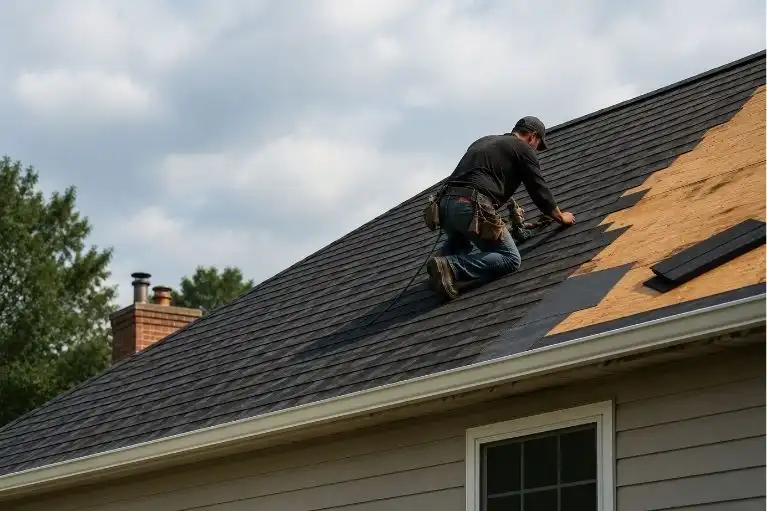
A residential roof replacement is one of the largest maintenance projects most homeowners will ever undertake. Your roof protects your home and its contents, so it is vital that you maintain its integrity. A roof replacement is disruptive, so it helps to know what to expect so you can prepare for the replacement team’s arrival.
You can avoid delays, damage, and complaints from neighbours with proper preparation. Many problems encountered during re-roofing projects are unrelated to the roof itself; they arise because the home, garden, or household was not prepared for the work.
This handy guide walks you through everything you need to do before, during, and after a residential roof replacement. Use it to ease your way into the roof replacement process and save time and money.
Confirm You Actually Need a New Roof
Let’s face it: roof replacement costs are high, and the process is disruptive. Before you commit to a roof replacement, confirm that a replacement is unavoidable and that repairs no longer make financial sense. Repeated roof repairs can quickly add up and may indicate that the entire system isn’t performing as it should.
Fortunately, there are a few pointers to guide you when considering a roof replacement.
The existing roof age and life expectancy
Most roofing materials have a predictable lifespan. Expect the following:
- Asphalt and felt roofs last 10 to 20 years
- Concrete roof tiles will last between 30 and 40 years
- Clay tiles cost more than concrete tiles, but they last 50 years or more
- Slate roofs may last 80 to 100 years if well-maintained
If your roof is approaching or has exceeded its expected lifespan and shows signs of wear, a complete roof replacement may be more cost-effective than ongoing repairs.
Frequent leaks
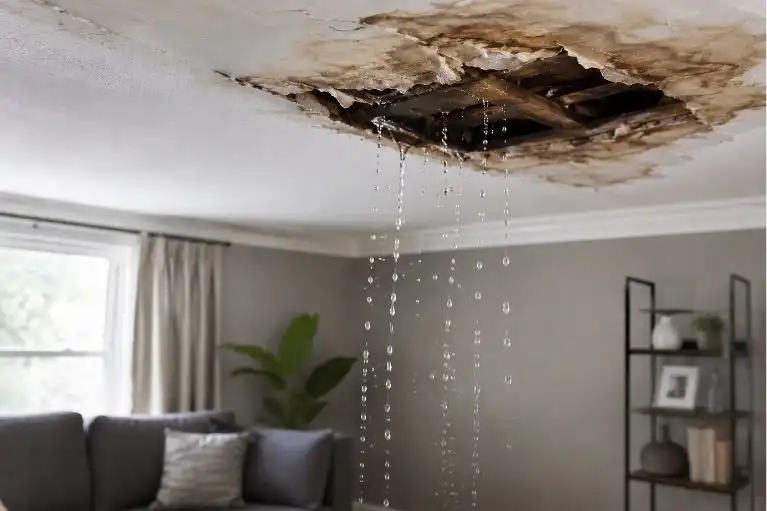
Tiles slip, and gutters fill, causing occasional leaks. If leaks persist in different areas of the roof, there may be underlying issues. These may include deteriorated felt or damaged underlay, which can lead to widespread leaks as water seeps into the supporting beams, causing water damage and structural issues. It is vital that you act quickly when leaks occur to prevent further damage.
Visible damage
Visible damage is often a strong indicator that it is time to replace your roof. These signs include:
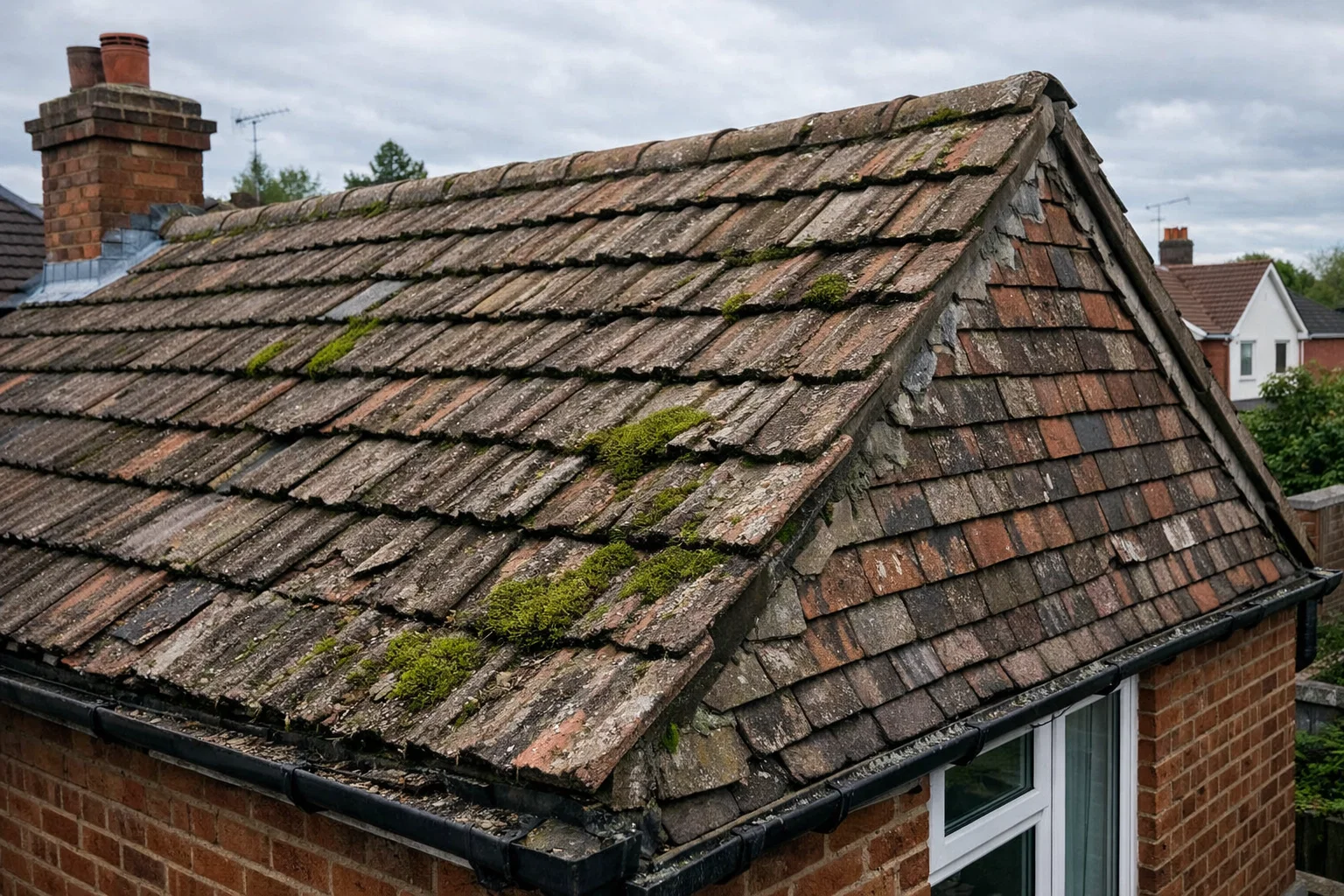
- Large moss patches trapping moisture
- Cracked flashing at the points where walls and abutments meet the roof covering
- Broken or missing roof tiles on pitched roofs
- A sagging roofline
- Splits or cracks on felt flat roofs
- Rotten battens
This type of damage often affects the entire roofing system.
When repairs are no longer enough
If you repeatedly call the roofer to return and fix another leak, or if the roofing services company warns that the roofing system is exhausted, it may be safer and more cost-effective to replace the roof.

Get a Professional Survey & Quote
Every roof replacement project should start with a professional survey and quote. A roofing contractor can help you with advice on the best materials to match your budget and long-term plans. Lifetime roofing costs, energy efficiency, and property value are essential factors that warrant careful attention.
What homeowners should ask for
Your survey should include various details, including the following:
Photos of the damage
Most roofing problems are not visible from the ground, and you must understand the extent of the damage and decay. Ask for clear photographs showing:
- Broken or missing tiles
- The underlay condition
- Timber or batten damage
- Chimney and flashing issues
Photographs provide evidence of the current issue and the damage requiring repair. Photographs will help to avoid disputes later and will be required by the insurance company if you claim.
Clear breakdown of costs
A detailed quote is the only way to fairly compare quotes. It ensures transparency and will reduce misunderstandings and disputes during and after project completion. Unusually low quotes may hide extras. Use the quote details to identify hidden costs, such as omitted amounts for scaffolding or waste removal. The roofing quote should show:
- Labour costs
- Materials
- Scaffolding
- Waste disposal fees
- VAT
Approach the building contractor to confirm any missing line items and ensure all costs are covered. You don’t need nasty surprises after the project has started, and you find that your new roof costs more than you bargained for.
Guarantees and materials
Understand the warranties on materials and workmanship. A reliable contractor will explain:
- Manufacturer guarantees
- Installation warranties
- The expected lifespan of the new roof
Contractor accreditations (Garland, Bauder)
Given the size of the investment, it is vital that you ensure the highest-quality roof you can afford. Contractors certified by systems such as Garland or Bauder are trained to install products correctly and can often offer extended warranties.
Prepare the Outside of Your Home
Life may be slightly uncomfortable during the roof replacement phase, as the work affects the entire building perimeter. Prepare the area to protect your assets from potential damage and ensure safe, efficient work.
- Move cars and vehicles: The workers’ first job is to remove the old roof. Tiles, tools and debris may fall from the roof during removal. Park vehicles away from the house and remove any bicycles from the area.
- Clear patios and gardens: Remove pot plants, garden furniture, BBQs and decorative features.
- Protect outdoor items: Place protective covers over any items that you cannot remove. Cover fixed seating, delicate plants and ponds. Contractors may provide sheeting; discuss this with your roofing specialist before the project.
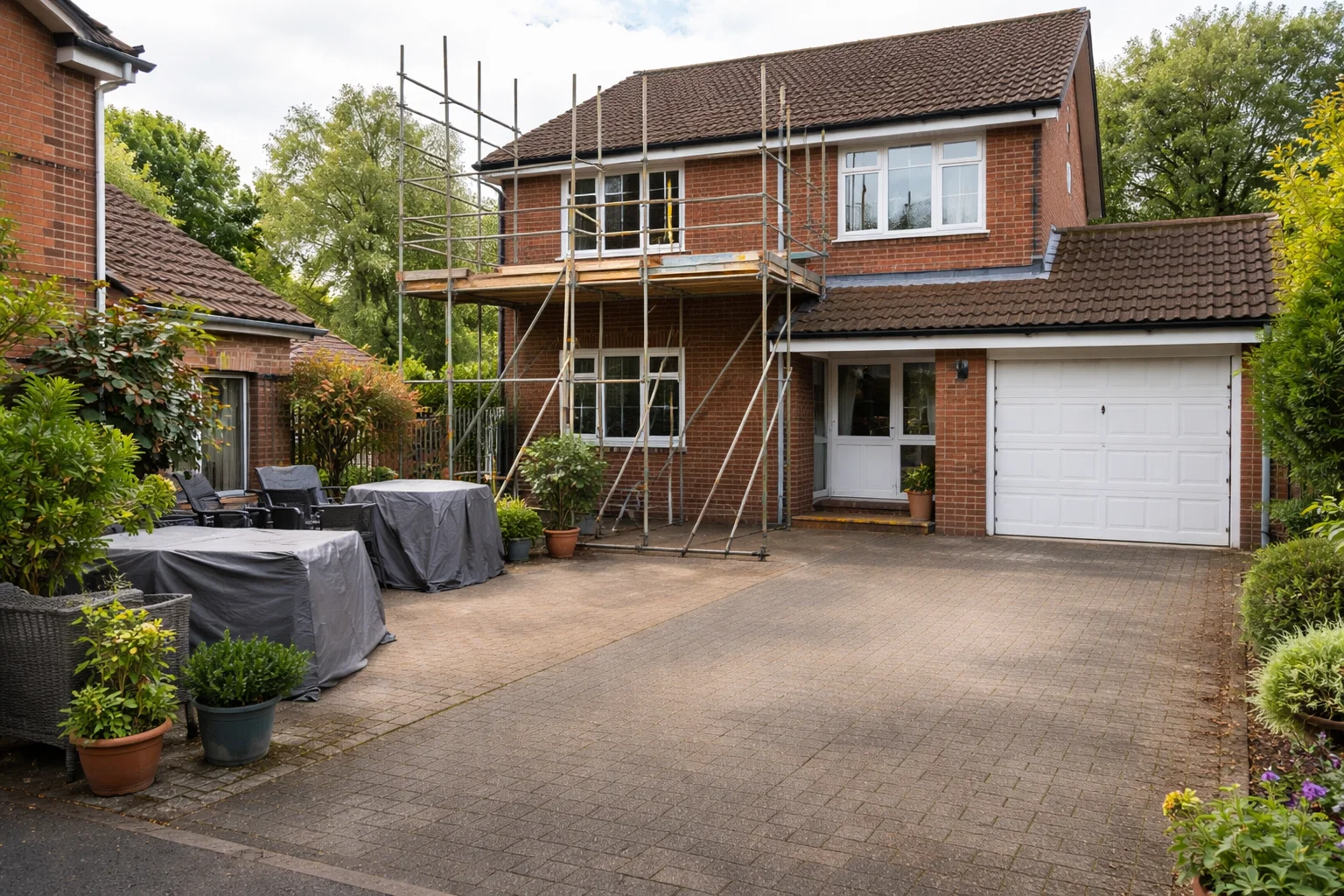
- Ensure scaffolding access: Workers must use scaffolding to reach the roof. Ensure that they have access to driveways, gates and paths.
Prepare the Inside of Your Home
The interior of your home will also require preparation for the roof replacement.
- Cover loft items: Dust and debris can fall into the loft area during the roof removal. Protect any stored goods with heavy plastic sheeting.
- Remove fragile wall decorations: Hammering creates vibrations, and debris may fall during tile removal. Remove mirrors, picture frames, and shelving to prevent breakage.
- Expect dust and vibrations: No matter how careful the contractors are, dust and vibration will occur. Close internal doors and consider using dust sheets on the upper storeys.
- Keep pets safe: Pets may find the noise stressful. Keep them away from work areas and scaffolding access points. Some pet owners board their pets during the installation.
Expect Noise & Temporary Disruption
Roof replacement is noisy and disruptive. It can’t be helped, but knowing what to expect can reduce the frustration.
- Inform neighbours: It’s a good idea to inform the neighbours, especially if the Roofersplan to start early. This way, they will expect the noise. Let them know about any scaffolding close to the boundary walls.
- Understand the timeline: A roof replacement takes from one to five days, depending on the roof complexity and size of the roof area, weather conditions and any structural repairs. Ask the roof contractor to supply a realistic timeline.
- Early starts and full workdays: Roofersaim to make the most of daylight hours, typically starting on or before 8 am and working until sunset.
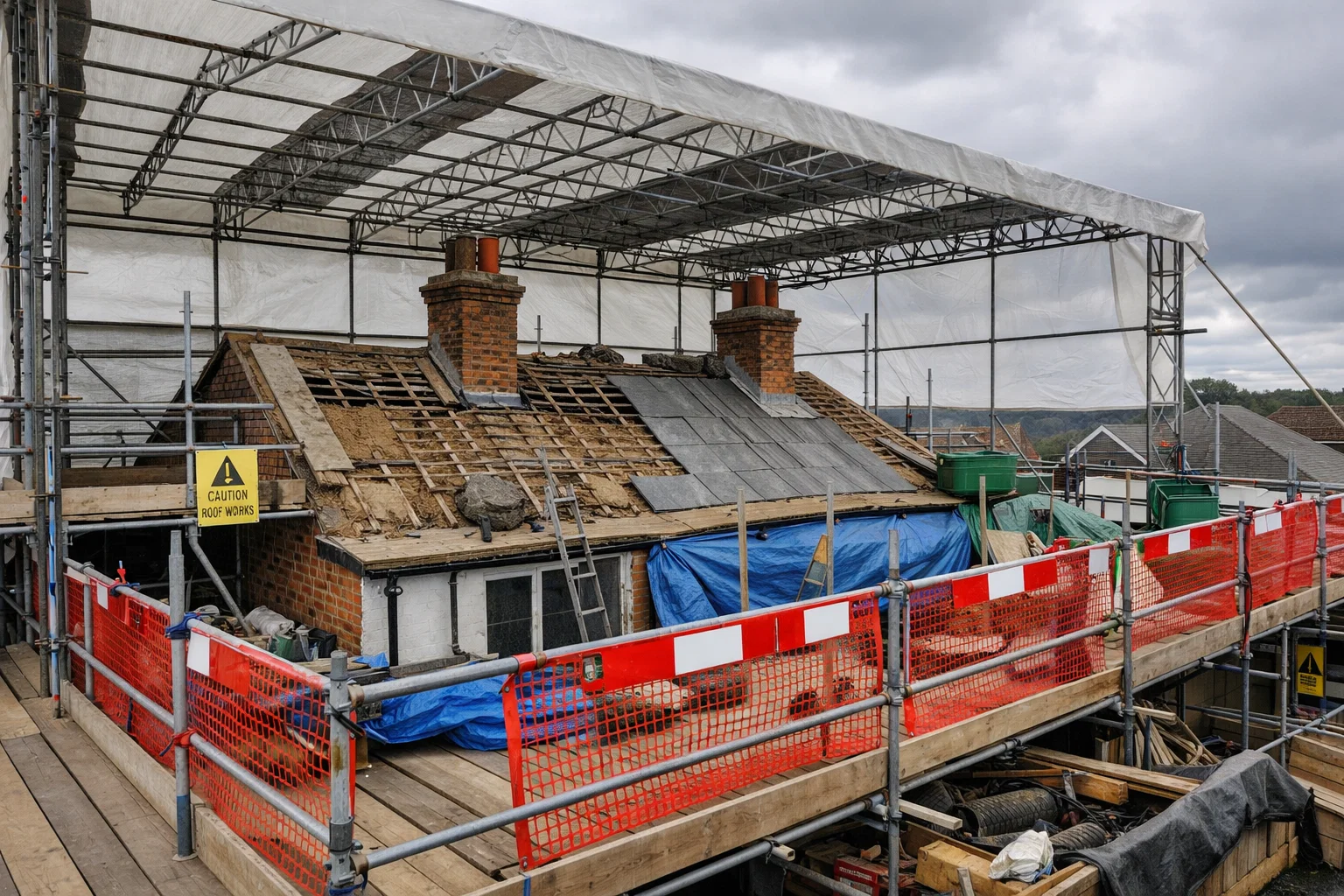
Weather and Safety Considerations
Roofing repairs and replacement are weather-dependent. Wind, rain, and freezing temperatures can delay work because they create unsafe working conditions.
Contractors may use temporary covers during light rain, but may stop during downpours. Scaffolding may remain in place during weather delays, which may restrict access to your home.
Waste Removal and Clean-Up
A residential roof replacement generates significant waste, so it’s worth planning before work begins.
Skip placement
You will likely require a skip for debris removal. The roofing contractor may arrange the skip hire. Make sure you understand who is responsible. Either way, you will need to plan skip placement in advance. Make sure it does not block driveway access. Find out how long the skip will remain in place and whether you’ll need permits.
Removal of old materials
Old tiles, felt, battens, and nails should be removed daily or stored safely in the skip. There should never be loose debris on the property, as it poses a safety hazard.
Clean-up and magnetic sweep for nails
Professional contractors will perform a final cleanup, including clearing gutters, removing debris, and conducting a magnetic sweep for nails and screws.
Final Checks After the Replacement
Do a few final checks before signing off on the job.
- Ask for before and after photos: Photos confirm that the agreed work, including pictures you can’t see, has been completed, including areas you cannot easily see.
- Inspect flashing, ridge tiles, gutters, and downpipes: these are the areas most likely to cause future problems.
- Collect warranties and documentation: You should receive proof of warranties for materials and workmanship. Keep them safe; you’ll need them for future repairs or when selling your home.
Your Roof Replacement Will Soon Be Over
A residential roof replacement does not have to be stressful. A full roof replacement takes a matter of days, and if you know what to expect and prepare in advance, you’ll soon have a new, energy-efficient roof that doesn’t leak.